

What is a 'Vibe Holiday'?
For decades, the ultimate travel flex was the destination itself. A passport stamp from an exotic locale, a photo in front of a world-famous landmark—these were the currencies of a well-traveled life. But that’s changing. Enter the 'vibe holiday,' a trip
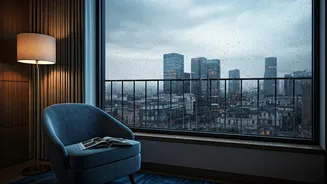
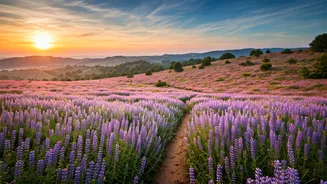
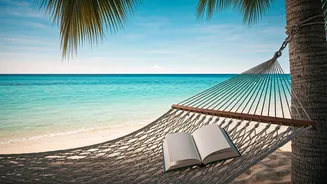
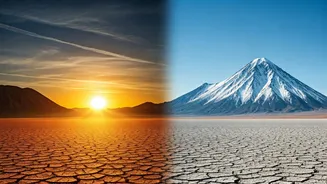
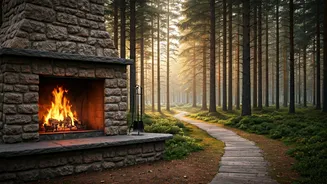
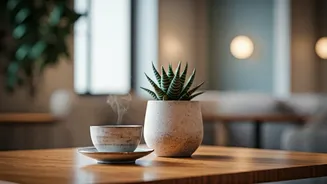
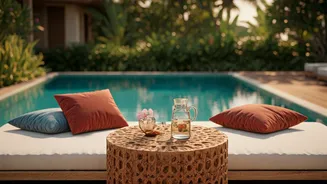
planned not around a place, but an atmosphere. Instead of starting with 'Where should I go?' travelers are asking, 'What feeling do I want to have?' The destination becomes secondary to the aesthetic and emotional experience. Do you want a cozy, rainy-day-in-a-bookstore feeling? A sun-drenched, salt-of-the-earth coastal escape? Or a moody, intellectual retreat surrounded by gothic architecture? That’s the starting point. The 'vibe' is a mix of aesthetic, mood, and sensory experience. It's about curating a feeling, and the location, hotel, and activities are just the tools you use to achieve it. This isn't about luxury in the traditional sense; a rustic cabin in the woods can be a bigger flex than a five-star hotel if it perfectly captures the desired 'off-grid' vibe.
The Social Media Mood Board Comes to Life
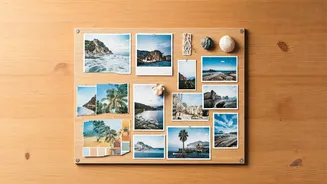
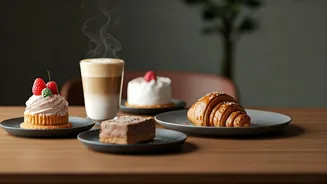
It’s impossible to talk about 'vibes' without talking about social media. Platforms like TikTok, Pinterest, and Instagram are visual-first mediums that have trained a generation to think in aesthetics. We see this in fashion with 'core' trends (Cottagecore, Gorpcore, Dark Academia) and in home decor, and now it has fully migrated to travel. Users curate digital mood boards for their ideal life, and a 'vibe holiday' is the ultimate act of making that mood board a reality. A traveler might see a TikTok montage of someone reading in a charming café in Edinburgh, walking through misty Scottish highlands, and warming up by a fire in a stone-walled pub. The flex isn’t just 'I went to Scotland'; it’s 'I lived my Dark Academia fantasy.' Travel companies are catching on. Trend reports from platforms like Pinterest and Expedia highlight a significant rise in searches for specific aesthetics, with travelers looking for 'eerie vibes' or 'main character energy' instead of just flights to Rome.
Beyond the Bucket-List Burnout
The shift toward vibe-driven travel also signals a quiet rebellion against the tyranny of the bucket list. For many, the pressure to 'see it all' can turn a vacation into a checklist-driven marathon. Rushing from the Eiffel Tower to the Louvre to Notre Dame can feel more like a frantic scavenger hunt than a restorative break. Bucket-list travel is often about external validation—proving you’ve been somewhere. Vibe travel is about internal satisfaction—ensuring the trip nourishes you in a specific way. It prioritizes slowness, serendipity, and personal meaning over a packed itinerary. This approach resonates in a post-pandemic world where mental wellness and escaping burnout are top priorities. Instead of collecting passport stamps, travelers are collecting feelings: serenity, inspiration, connection, or adventure. The measure of a successful trip is no longer 'How much did I see?' but 'How did it make me feel?' It’s a move from conspicuous consumption to conspicuous self-care.
Finding and Planning Your Own Vibe
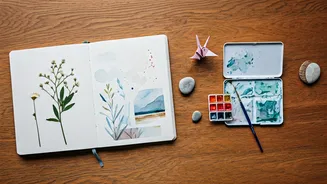
So how do you plan a trip around a feeling? It starts with introspection. Forget destinations for a moment and think about the experience you’re craving. Are you picturing yourself wrapped in a linen shirt, drinking wine on a sun-drenched patio overlooking the ocean? That's your 'coastal granddaughter' vibe, and it might lead you to a small town in coastal Maine, a Greek island, or a quiet village in Portugal. Are you dreaming of neon lights, late-night ramen, and the buzz of a futuristic metropolis? That 'cyberpunk city' vibe might point you to Tokyo or Seoul. The key is to identify the core elements of your desired aesthetic. What's the color palette? The soundtrack? The pace? Once you have the feeling locked down, you can search for destinations that fit the description. Instead of Googling 'best beach vacations,' you might search for 'quiet, windswept coastal towns' or 'cozy mountain cabins with fireplaces.' The goal is to build an itinerary that serves the mood, not the other way around.