








What Exactly Is This Test?
At its core, metabolic testing measures how your body creates and uses energy. For decades, this has been the domain of elite athletes and clinical researchers. The two main types are Resting Metabolic Rate (RMR) testing, which calculates the calories
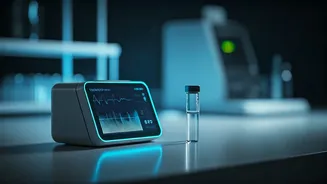
you burn at rest, and VO2 max testing, which measures your body's maximum oxygen uptake during intense exercise—a key indicator of cardiovascular fitness. Traditionally, you’d find these tests in a lab, involving cumbersome masks and treadmills. The goal was specific and functional: to help a marathoner optimize their race-day fueling strategy or to guide a clinical weight-loss program for a patient with complex health needs. It was science, not a social statement.
From the Lab to Your Living Room
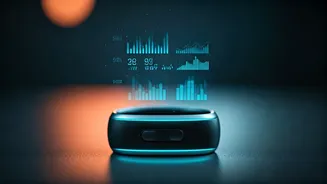
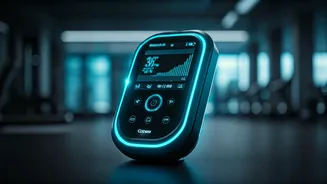
The game changed with the arrival of direct-to-consumer devices. Companies like Lumen and PNOĒ have packaged the principles of metabolic analysis into stylish, user-friendly gadgets that sync with your smartphone. Lumen, for example, is a small inhaler-like device that analyzes the CO2 concentration in your breath. From a single puff, it claims to tell you whether your body is primarily burning carbohydrates or fats for fuel. Based on this “respiratory exchange ratio,” the app provides daily personalized nutrition advice—suggesting low-carb meals if you’re in fat-burn mode or recommending carbs to fuel a workout. The promise is seductive: no more generic diet plans, just real-time biofeedback telling you exactly what your body needs. It transforms the abstract concept of 'metabolism' into a concrete, daily score.
Health as the New Wealth
Here’s where status comes in. These devices aren’t cheap, often costing several hundred dollars plus a subscription fee. This price tag creates an initial barrier, making them an accessible luxury. But the real currency isn’t the device itself; it’s the data it produces. Posting a high “metabolic flexibility” score on Instagram is the 2020s equivalent of posting a photo of a new designer bag. It’s a form of conspicuous consumption that signals not just wealth, but discipline, knowledge, and dedication to self-optimization. In a culture saturated with wellness, proving you have a high-functioning metabolism is the ultimate flex. It says, “I’m not just healthy; I’m so in tune with my body that I have the data to prove it.” This performance of health has become more aspirational than owning material goods.
A Scorecard for Your Self-Worth?
While the technology is intriguing, many nutritionists and medical experts urge caution. They argue that at-home breathalyzers lack the precision of clinical-grade equipment and can be easily thrown off by a recent meal or a stressful day. More importantly, they raise concerns about the psychological impact of turning health into a numbers game. Quantifying your body’s every function can foster an obsessive relationship with food and exercise, reducing wellness to a quest for a perfect score. Instead of learning to listen to internal hunger and satiety cues, users may become reliant on an app to tell them when and what to eat. Critics worry this data-driven approach can be a gateway to disordered eating patterns, cloaked in the virtuous language of biohacking and optimization.