





Welcome to the Cold Desert
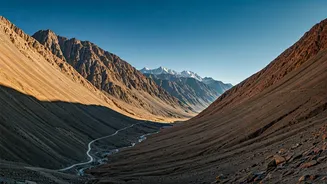
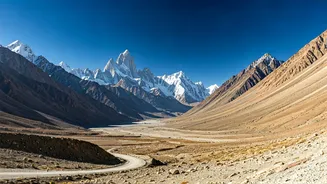
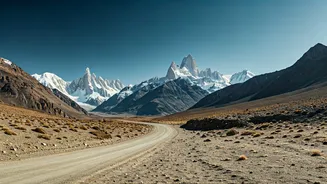
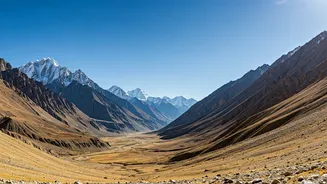
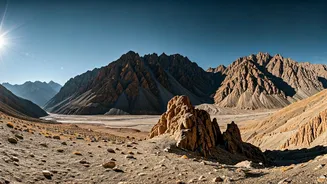
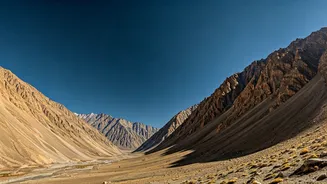
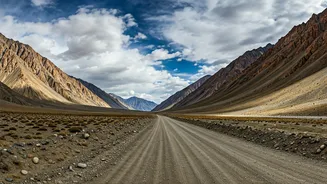
Forget what you think you know about the Himalayas. Spiti Valley, a remote expanse tucked into India’s state of Himachal Pradesh, isn't a land of lush green forests. It’s a “cold desert,” a high-altitude moonscape of barren mountains, deep gorges, and windswept
plains. Bordering Tibet, its culture and landscape feel otherworldly, earning it the nickname “Little Tibet.” For most of the year, heavy snowfall cuts it off from the outside world. But for a few short months in the summer and early fall, the snow melts, the mountain passes open, and the valley reveals its stark, uncompromising beauty to those willing to make the journey.
The Road Is the Destination
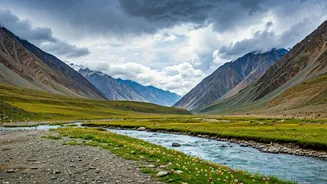
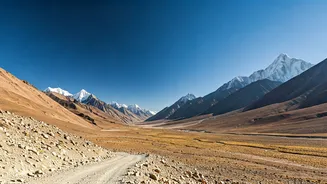
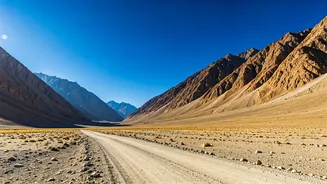
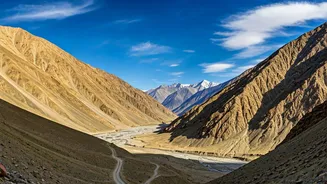
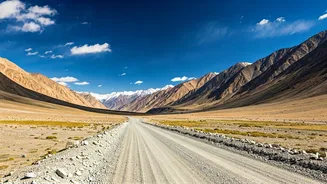
The headline’s promise of “dry roads” needs a dose of reality. In Spiti, “dry” simply means “not buried under 20 feet of snow.” The journey here is the adventure. Most travelers take a multi-day drive on one of two main circuits: a breathtakingly precarious route from the town of Manali over the high passes of Rohtang and Kunzum, or a longer, slightly more gradual ascent from Shimla. Neither is for the faint of heart. You’ll navigate hairpin bends etched into cliffsides, ford glacial streams that turn roads into rivers, and contend with the constant threat of altitude sickness as you climb above 13,000 feet. But the reward is a profound sense of isolation and achievement. Every gut-wrenching turn reveals a new, more dramatic vista, making the car feel like a tiny speck in an immense geological masterpiece.
Monasteries Clinging to Cliffs
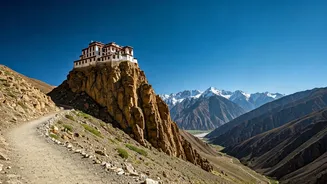
The raw landscape is punctuated by vibrant pockets of human faith. Spiti is a bastion of Tibetan Buddhism, home to some of the oldest and most spectacular monasteries in the world. The most famous, Key (or Ki) Gompa, is a staggering complex of rooms and prayer halls that seem to tumble down a conical hill, looking more like a fortress than a place of worship. Inside, monks chant in incense-filled rooms adorned with ancient murals. Further on, Tabo Monastery, a UNESCO World Heritage site, sits humbly on the valley floor. Its unassuming mud-brick exterior hides a treasure trove of 1,000-year-old frescoes that have earned it the title “Ajanta of the Himalayas.” These are not museums; they are living, breathing centers of a resilient culture that has thrived for centuries in one of the planet’s harshest environments.
Under a Ceiling of Stars
After the sun dips behind the jagged peaks, Spiti delivers on its other promise: big skies. At this altitude, with zero light pollution and incredibly thin, dry air, the cosmos puts on a nightly spectacle. The sky doesn't just have stars; it’s a thick, shimmering blanket of celestial light. The Milky Way isn't a faint smudge but a brilliant, textured river arcing from horizon to horizon. Standing in the profound silence of a Spitian village like Langza or Hikkim, looking up at a sky so clear it feels like you could reach out and touch it, is a humbling, almost spiritual experience. It’s a powerful reminder of your place in the universe and the ultimate payoff for a long day on the road.