





More Than Just Miles
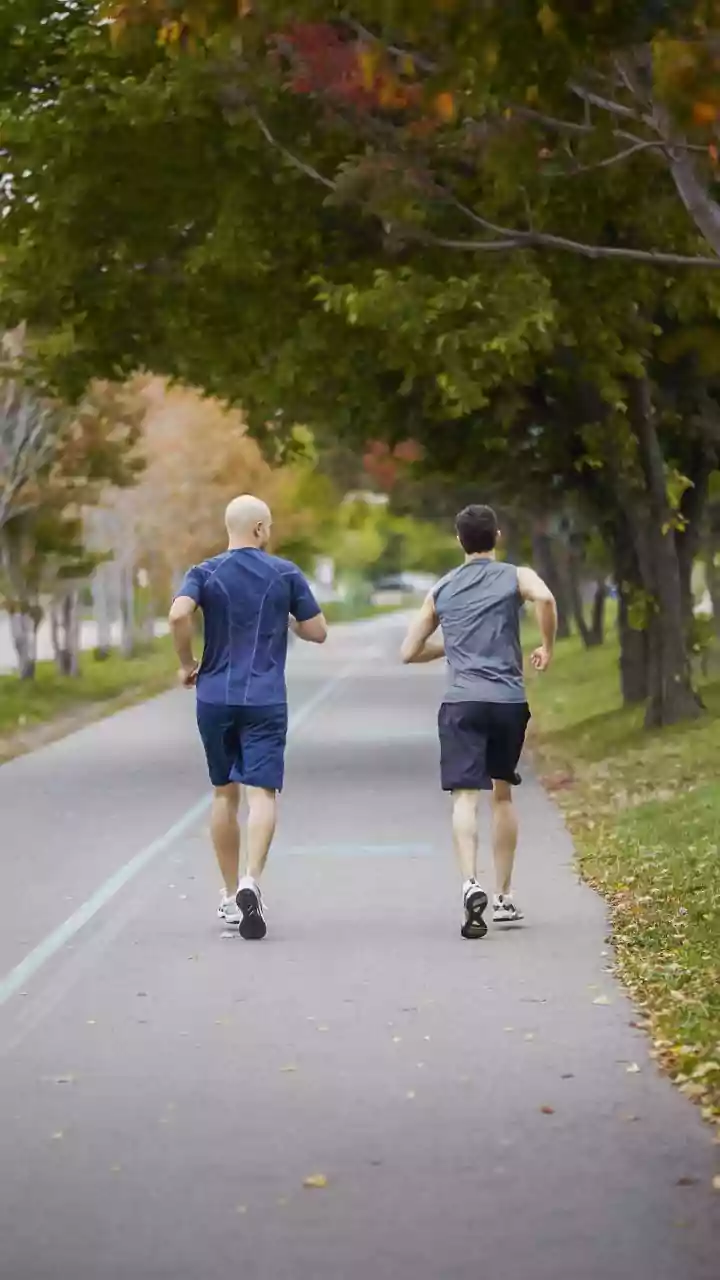
Forget the solitary, meditative image of a lone runner silhouetted against the sunrise. The modern urban running boom is loud, social, and deeply communal. From New York to Los Angeles, thousands are trading solo workouts and expensive gym memberships
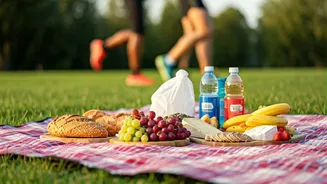
for the simple act of running with others. While the physical benefits are obvious, the real draw isn't just a better 5K time. It’s the antidote to an increasingly isolated, digitally-saturated world. In the wake of a pandemic that starved people of casual social interaction, run clubs have emerged as a powerful engine for connection. They offer a low-stakes, consistent way to meet people and build friendships, all while chasing a shared goal. The post-run coffee or beer is often just as important as the run itself, cementing bonds forged over miles of shared effort.
The New 'Third Place'
Sociologists talk about the importance of “third places”—locations outside of home and work where people gather and build community. Think of the classic barbershop, the local pub, or the neighborhood cafe. In many modern cities, these spaces are disappearing or becoming prohibitively expensive. Run clubs are stepping into that void, offering a free, accessible alternative. They function as mobile third places, transforming public parks, bridges, and city streets into temporary hubs of social life. A club’s weekly route becomes a familiar territory for connection. This sense of belonging is a powerful draw for recent transplants struggling to find their footing in a new city, or for long-time residents looking to deepen their local ties. It’s community-building in motion.
Not Your Father's Running Club
This isn’t about elite athletes chasing personal records. While traditional athletic clubs focused on competition have existed for decades, this new wave is different. They are defined by inclusivity, not exclusion. Many proudly advertise a “party pace,” welcoming runners of all speeds, shapes, and experience levels. The vibe is less about performance metrics and more about showing up. This ethos is amplified through social media, where clubs use Instagram to announce meet-up spots, share group photos, and cultivate a distinct brand identity. Groups like Black Men Run or Slow AF Run Club are built on creating safe, supportive spaces for specific communities, while others are purely geographical, uniting neighbors. They often have clever names, custom merch, and a strong visual aesthetic, making them feel more like a lifestyle brand than a formal sports team.
An Accessible Antidote to Boutique Fitness
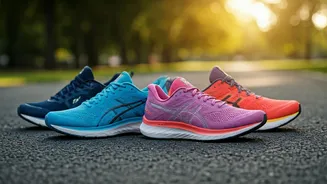
In an era of $40 spin classes and boutique gyms with long waitlists, the sheer simplicity of running is a radical act. All you need is a pair of shoes. Run clubs tap into this by offering their primary benefit—structured group fitness and social connection—for free. There are no contracts, no initiation fees, and no financial barriers to entry. This accessibility democratizes wellness, making it available to anyone willing to lace up and show up. It stands in stark contrast to the high-cost, high-pressure world of boutique fitness, offering a more grounded and sustainable path to both physical and social well-being. By stripping away the financial and performance-related pressures, these clubs have recentered fitness on two fundamentals: moving your body and connecting with other people.