


Mistake: Underestimating Water on the Road
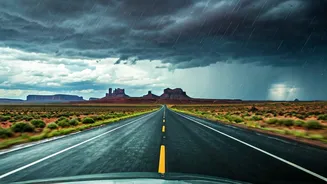
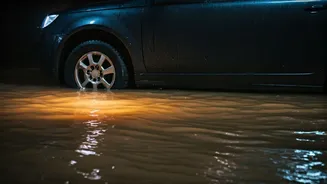
The single most dangerous assumption during a monsoon is thinking you can gauge the depth of flooded roadways. The National Weather Service’s famous slogan, “Turn Around, Don't Drown,” exists for a reason: it takes only six inches of moving water to knock
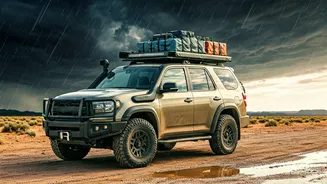
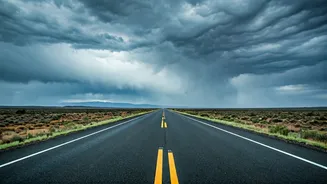
over an adult and just a foot to sweep away most cars. Flowing water can be deceptively powerful, and what looks like a shallow puddle can easily be a deep, fast-moving channel with a washed-out roadbed beneath. The water's surface hides dangers like debris, unseen currents, and eroded pavement. Forcing your way through a flooded wash is not a calculated risk; it’s a gamble with your life. The only safe move is to find an alternate route or wait for the water to recede, which in the desert often happens surprisingly quickly.
Mistake: Driving Into a Dust Storm
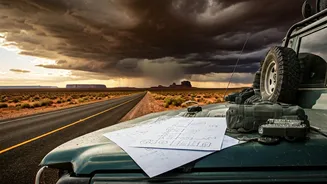
When a towering wall of dust, known as a haboob, appears on the horizon, your instinct might be to outrun it. This is a critical error. These storms can reduce visibility to zero in seconds, creating conditions similar to a blinding whiteout. Trying to navigate at any speed becomes impossible and incredibly dangerous, leading to multi-car pile-ups. The correct response, promoted by the Arizona Department of Transportation’s “Pull Aside, Stay Alive” campaign, is to exit the roadway as soon as it is safe to do so. Pull your vehicle as far to the right as possible, turn off all your lights (including hazard lights), take your foot off the brake, and put the car in park. Keeping your lights off prevents other drivers from following you off the road and crashing into you. Wait out the storm before re-entering traffic.
Mistake: Neglecting Your Vehicle's Condition
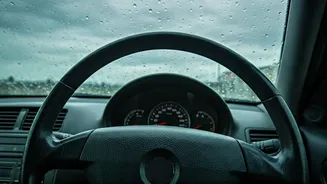
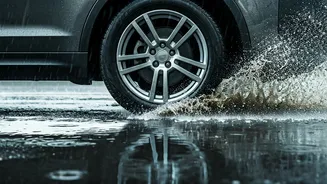
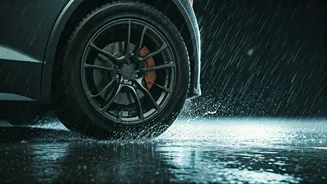
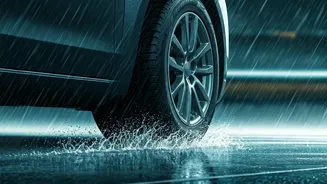
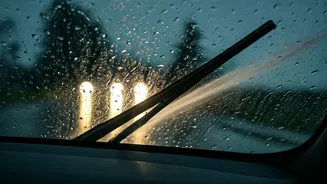
A monsoon storm is the worst time to discover your equipment is faulty. The two most overlooked but critical components are your tires and your windshield wipers. Worn-out tires with shallow tread are a recipe for hydroplaning. When you drive over a wet surface, the tread channels are designed to push water away, keeping your tires in contact with the road. If the tread is gone, a layer of water can build up between the tire and the asphalt, causing you to lose all traction and control. Similarly, cracked and brittle wiper blades won't effectively clear the deluge from your windshield, severely impairing your vision when you need it most. Before the season starts, check your tire pressure and tread depth, and replace your wiper blades if they are more than a year old.
Mistake: Following Too Closely
Tailgating is always a bad habit, but on wet monsoon roads, it’s downright reckless. The safe following distance you maintain on a dry day needs to be doubled or even tripled in the rain. Wet pavement significantly increases your vehicle's stopping distance. What would be a routine stop in dry weather can become a rear-end collision in a downpour. Furthermore, the spray kicked up by the vehicle in front of you can temporarily blind you, especially at highway speeds. Giving yourself a generous buffer zone provides the time and space you need to react to sudden stops, navigate around debris, and see the road ahead more clearly. A five-second following distance is a good rule of thumb in heavy rain.
Mistake: Panicking When Hydroplaning
Even with good tires and a safe following distance, hydroplaning can happen. It’s a terrifying sensation—the steering wheel suddenly feels light and the car unresponsive. The worst thing you can do is panic. Do not slam on the brakes and do not jerk the steering wheel. Both actions can cause you to spin out or lose complete control. Instead, stay calm and gently ease your foot off the accelerator. Keep the steering wheel straight or make only very subtle adjustments in the direction you want the car to go. As the vehicle slows, the tires will regain their grip on the road surface, and you will feel control return. The key is to make no sudden moves and let the car's momentum decrease naturally.