



A Pop of Defiant Color
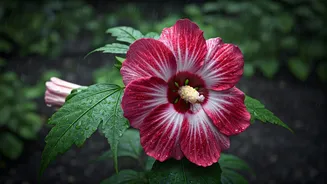
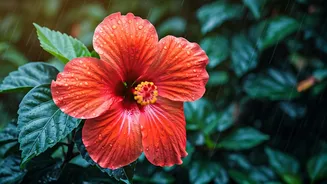
The magic of hibiscus on a rainy day comes down to simple contrast. The plant’s enormous, dinner-plate-sized blooms in shades of fiery red, electric pink, sunny yellow, and deep magenta act as beacons against a muted, overcast sky. While other flowers
might droop or fade into the background, the sheer saturation and scale of a hibiscus flower demand attention. Droplets of water bead on the petals like tiny jewels, amplifying their lushness and turning each bloom into its own miniature spectacle. It’s a visual shot of caffeine for the landscape, injecting a dose of tropical cheer precisely when it’s needed most. This isn't just a flower; it's a statement piece that refuses to let a little gloom win.
Hardy vs. Tropical: Which Is for You?
Before you rush to add this festive flair to your garden, it’s crucial to know which type of hibiscus suits your climate. There are two main categories available to American gardeners. **Tropical Hibiscus (Hibiscus rosa-sinensis):** These are the classic, glossy-leafed plants you might associate with Hawaii. They produce a constant parade of vibrant flowers but are not frost-tolerant. In most of the country, they are treated as annuals planted in pots that can be brought indoors for the winter. They are perfect for patios, decks, and adding a temporary, high-impact splash of color. **Hardy Hibiscus (Hibiscus moscheutos):** Also known as rose mallow, this is the secret weapon for gardeners in colder climates (hardy to Zone 4 or 5). These North American natives die back to the ground in winter and re-emerge in late spring. Their blooms are often even larger than their tropical cousins—some reaching the size of an actual dinner plate. While the color palette is slightly more limited (mostly reds, pinks, and whites), their resilience and sheer flower power make them a must-have perennial for reliable, festive blooms.
Thriving in the Rain (With a Catch)
The headline isn’t just a poetic observation; it’s rooted in the plant’s biology. Hibiscus are thirsty plants that love consistent moisture to fuel their prolific blooming. A good summer rain is like a long, refreshing drink, plumping up the leaves and encouraging more buds to form. The increased humidity is a bonus, mimicking the tropical or marshland environments where they naturally thrive. You’ll often notice your hibiscus looking its most vibrant and perky in the hours and days following a downpour. However, there’s a critical distinction to make: they love moisture, but they hate soggy, waterlogged soil. Good drainage is non-negotiable. If they sit in standing water, their roots can rot. So, while they revel in the rain, ensure they’re planted in well-draining soil or in containers with ample drainage holes.
Our Favorite Festive Varieties
Ready to plant your own rain-defying celebration? Here are a few standout varieties that deliver on the promise of festive color: * **'Lord Baltimore' (Hardy):** A true classic, this hardy hibiscus boasts enormous, 10-inch blooms of pure, unapologetic fire-engine red. It’s a traffic-stopper. * **'Summerific® Evening Rose' (Hardy):** For a dramatic look, this variety pairs dark, near-black foliage with hot pink flowers. The contrast is stunning, especially on a gray day. * **'Luna Pink Swirl' (Hardy):** This compact, well-behaved variety features huge white and pink pinwheel-patterned flowers, offering a softer but equally cheerful look. * **Standard Tropical Hibiscus (Yellow/Orange):** While often sold simply by color, the sunset shades of common tropical hibiscus are unmatched for their warm glow. A potted yellow or orange hibiscus by a doorway is an instant mood-lifter.