




Beyond the Billboard
For decades, the formula for selling fast-moving consumer goods (FMCG) was simple: create a catchy jingle, buy a ton of TV ads, and make sure your product was on every store shelf. But in today’s India, a market with over 700 million internet users and a massive,
young, and discerning consumer base, that playbook is starting to feel stale. The new frontier isn’t just digital; it’s experiential. Major food brands are pouring resources into creating temporary, immersive, and highly Instagrammable physical events. We're talking about multi-day pop-ups, curated tasting menus, and exclusive parties centered around everyday products like potato chips, chocolate bars, and instant noodles. The goal is no longer just to sell a product, but to sell an experience—one that consumers will be so excited about that they’ll do the marketing for the brand, for free, on their social media feeds.
The 'Phygital' Playbook in Action
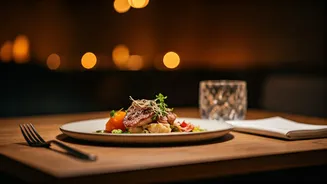
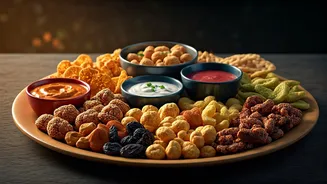
Take Lay’s, a brand synonymous with casual snacking. To launch its premium 'Gourmet' line, PepsiCo didn't just run ads. It hosted exclusive, multi-sensory pop-up experiences in major cities like Delhi and Mumbai. These events featured Michelin-starred chefs creating high-end dishes inspired by the new chip flavors, complete with jazz music, art installations, and curated wine pairings. Guests were influencers, food bloggers, and lucky members of the public who felt like they had an all-access pass to something special. The potato chip was no longer just a snack; it was the star of a sophisticated cultural event. Similarly, Mondelez’s Cadbury has mastered this art. The brand has launched everything from 'Dessert-cember' pop-up cafes offering elaborate desserts made with its chocolates to interactive installations for its 5-Star bar that gamify the experience of eating candy. These aren't just sampling booths; they are carefully designed environments meant to trigger senses and emotions, transforming a simple chocolate bar into a memorable outing.
Why This Strategy Is Winning
This shift is happening for a few key reasons. First, India's Gen Z and millennial consumers are craving authentic, real-world connections, especially after years of pandemic-era digital fatigue. An exclusive, tangible experience feels more valuable than another targeted ad. Second, these events are content-generation machines. Every corner is designed to be a photo op, every dish is plated for a close-up, and every moment is engineered to be shared with a hashtag. The physical event serves as the catalyst for a much larger, and much cheaper, digital marketing campaign fueled by user-generated content. This 'phygital' (physical plus digital) approach creates a powerful feedback loop. The exclusivity of the event makes people want to post about it to show they were there, and the resulting online buzz creates a halo effect for the brand, making it appear more innovative, culturally relevant, and desirable. It’s a way to cut through the noise and build genuine brand affinity in a way a 30-second commercial simply can't.
The Currency of 'I Was There'
Ultimately, what these brands are tapping into is the modern currency of social capital. In a world documented on Instagram and TikTok, the ability to say 'I was there' is incredibly valuable. These events provide the raw material for consumers to build their own personal brands online. By turning a product launch into an exclusive cultural moment, companies like Lay's and Cadbury are giving consumers something more than a snack—they're giving them a story to tell. This strategy also allows brands to re-contextualize their products. A mass-market potato chip becomes 'gourmet.' A common chocolate bar becomes 'decadent.' This elevation happens not through claims in an ad, but through the environment the brand creates. The consumer doesn't have to be told the product is premium; they feel it through the experience, making the association far more powerful and lasting.