




The Land Beyond the Familiar
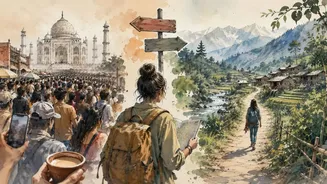
When Americans picture India, they often conjure images of the Taj Mahal, the bustling markets of Delhi, or the palaces of Rajasthan. But venture to the country's far northeast, and you’ll find a region that feels like another world entirely. Connected
to the rest of India by a slim geographic corridor, this area comprises eight states: Arunachal Pradesh, Assam, Manipur, Meghalaya, Mizoram, Nagaland, Sikkim, and Tripura. Collectively known as the 'Seven Sisters' (plus their 'brother' state, Sikkim), this is a land of misty mountains, roaring rivers, and cultures that have more in common with Southeast Asia and Tibet than with the Indian heartland. For decades, a combination of geographical isolation and complex permit requirements kept it largely off the international travel map. That isolation, however, preserved a raw authenticity that is now its greatest draw.
A Mosaic of Untouched Cultures
To travel through Northeast India is to witness staggering human diversity. The region is home to over 200 distinct ethnic groups, each with its own language, dress, and traditions. This isn't a museum exhibit; it's a living, breathing cultural landscape. In Nagaland, you can attend the Hornbill Festival, a vibrant spectacle where Naga tribes showcase their fierce warrior heritage through dance and music. Cross into Meghalaya, and you’ll encounter the Khasi people, one of the world's few remaining matrilineal societies, where lineage and inheritance are passed down through women. The state of Sikkim, nestled in the Himalayas, is a serene pocket of Tibetan Buddhism, dotted with ancient monasteries where prayer flags flutter in the wind. This is a place where you can spend a week and feel like you’ve visited half a dozen different countries, all while experiencing hospitality that is deeply ingrained in the local fabric.
Nature, Raw and Unfiltered
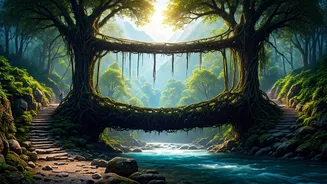
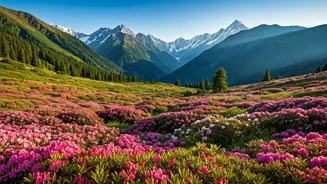
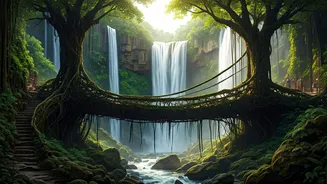
The landscapes of the Northeast are as varied as its people. This is where you find nature at its most inventive and powerful. The most iconic example is in Meghalaya: the living root bridges. Over generations, the Khasi people have guided the aerial roots of rubber fig trees across rivers, weaving them into sturdy, functional bridges that strengthen over time. In Assam, the mighty Brahmaputra River carves its way through the plains, nourishing Kaziranga National Park, a UNESCO World Heritage site and the last great stronghold of the one-horned rhinoceros. Head north into Arunachal Pradesh, and you’re in the foothills of the Himalayas, a paradise for trekkers seeking pristine trails without the crowds of Nepal. This isn’t manicured nature; it’s wild, dynamic, and profoundly beautiful.
So, Why Is It Happening Now?
The region’s 'moment' is no accident. It’s the result of a perfect storm of factors. The Indian government has invested heavily in improving infrastructure, building new airports and paving formerly treacherous roads, making travel far more accessible. Crucially, entry permit rules for foreign nationals have been relaxed or removed for several states, dismantling a major bureaucratic barrier. But the real catalyst has been the digital age. Instagram and travel blogs are filled with jaw-dropping images of Meghalaya's root bridges and Nagaland's festivals, sparking curiosity among a new generation of travelers. After years of predictable, over-touristed destinations, people are actively seeking out places that offer genuine discovery, and Northeast India delivers that in spades. It’s the ultimate antidote to the cookie-cutter vacation.