






The Numbers Don't Lie
Forget hypotheticals—the data shows a seismic shift. According to the Japan National Tourism Organization (JNTO), the number of Indian visitors to Japan has been skyrocketing. In the first few months of 2024 alone, visitor numbers surpassed pre-pandemic
highs, with some months seeing more than double the visitors compared to the same period in 2019. This isn't a gradual incline; it's a steep, dramatic surge that has travel agencies and tourism boards taking notice. For decades, the go-to international destinations for affluent Indians were Europe, the UAE, and parts of Southeast Asia like Thailand and Singapore. Japan, while respected, was often seen as too distant, too expensive, and too culturally opaque. That perception is now rapidly changing, turning what was once a niche destination into a mainstream aspiration.
A Perfect Storm of Opportunity
So, why Japan and why now? It’s a confluence of several powerful factors. First, and perhaps most importantly, is the economy. The Japanese yen has been at a multi-decade low against major currencies, including the Indian rupee. Suddenly, a trip that seemed prohibitively expensive is now within reach for India's burgeoning upper-middle class. A week in Tokyo, once comparable in cost to Paris, now looks like a relative bargain. Adding fuel to the fire are streamlined visa processes. Japan has been actively courting tourists from India and other Asian nations by simplifying its visa application rules, removing a significant bureaucratic hurdle that once deterred casual travelers. This practical change signals a welcoming attitude that hasn't gone unnoticed. Finally, there's the 'push' from India itself: a generation of young, dual-income households with high disposable income and a voracious appetite for unique, 'Instagrammable' experiences. They aren't just looking for a vacation; they're looking for cultural currency.
From Anime to Ancient Shrines
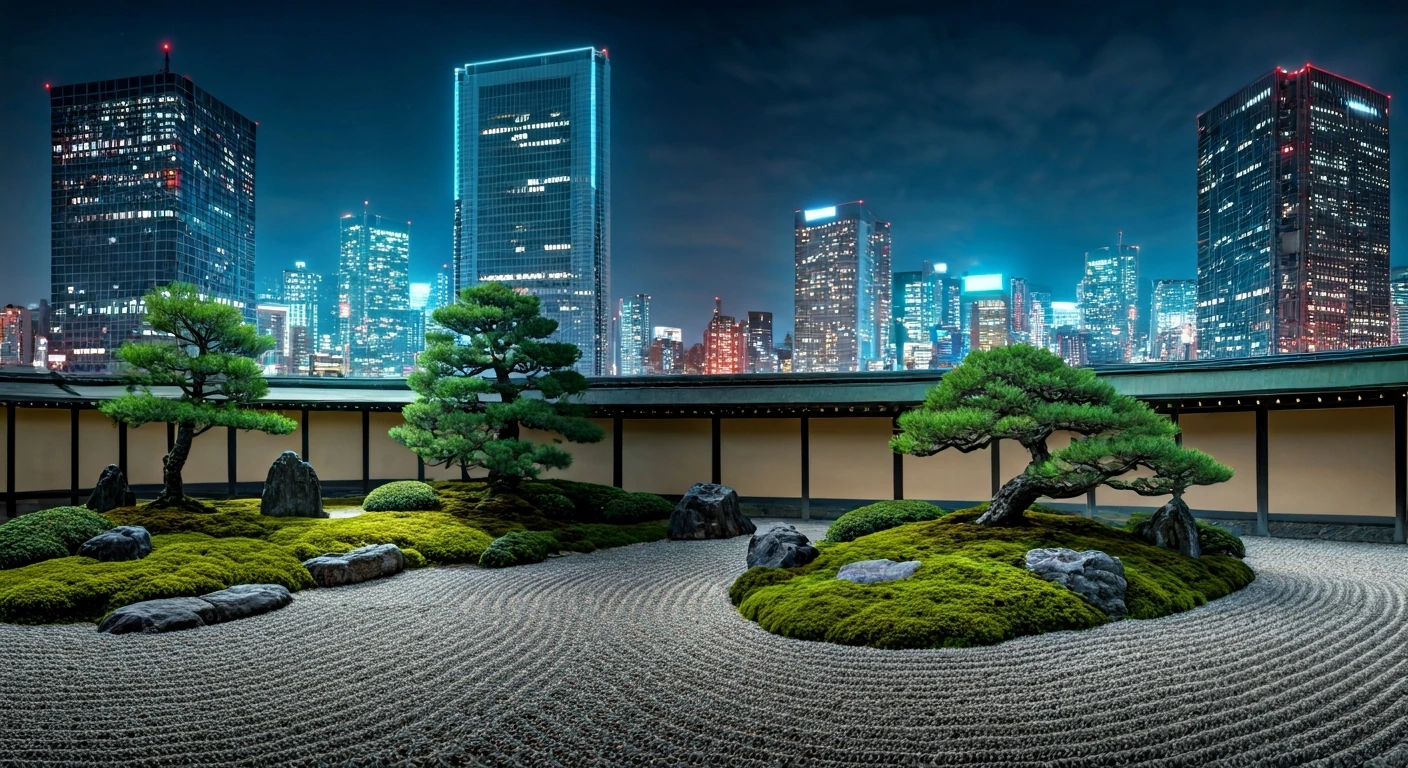
The appeal of Japan is its unique blend of the hyper-modern and the deeply traditional. For one traveler, it's the thrill of riding the Shinkansen bullet train and getting lost in the neon-drenched chaos of Tokyo's Shibuya Crossing. For another, it's the serene experience of walking through Kyoto's Arashiyama Bamboo Grove or visiting the ancient temples and shrines that dot the country. This duality is a massive draw. The cultural connection runs deeper than just aesthetics. India has a massive and devoted anime and manga fanbase. For millions of young Indians, Japan isn't an unknown quantity; it's the home of *Naruto*, *One Piece*, and Studio Ghibli. The chance to visit the settings that inspired their favorite stories—or even just to shop for exclusive merchandise in Akihabara—is a powerful motivator. This built-in cultural familiarity lowers the barrier to entry and makes the destination feel both exciting and accessible.
Summer Festivals and Seasonal Beauty
While cherry blossom season in the spring has long been Japan's most famous tourist draw, Indian travelers are embracing the summer. A key reason is the Indian school vacation calendar, which falls squarely in the summer months. But instead of seeing summer as an 'off-season,' travelers are discovering its unique charms. This is the season of *matsuri*, or local festivals, which offer an immersive cultural experience. The headline's mention of Tanabata, the 'Star Festival,' is a perfect example. Typically celebrated in July or August, Tanabata fills public spaces with vibrant streamers and bamboo branches where people hang their written wishes. It's a beautiful, participatory tradition that offers a glimpse into everyday Japanese culture. It’s this kind of authentic, seasonal experience—distinct from a generic tour of landmarks—that the modern Indian traveler is increasingly seeking out.