




The Sun-and-Sand Vacation Is Overheating
For generations, the American summer vacation was a predictable pilgrimage. We fled our landlocked towns for the nearest coast, packing into cars and heading to Florida, the Carolinas, or Southern California. The goal was simple: find sun, sand, and surf.
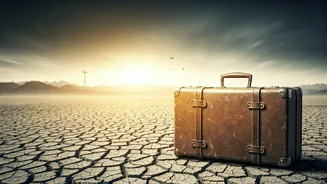
The hotter, the better. It was a cultural script we all understood. But as climate change turns up the global thermostat, that script is being frantically rewritten. That idyllic beach trip now comes with the risk of 105-degree heat indexes, dangerously warm ocean water, and warnings about heatstroke. The dream destination has become a potential endurance test. As a result, the very definition of a desirable getaway is flipping. The new aspirational trip isn't about baking on a beach; it’s about finding a place where you can comfortably walk outside in the middle of the day.
From 'Look Where I Am' to 'Feel How I Feel'
This shift isn't just about meteorology; it's about psychology. For two decades, social media has conditioned us to see travel as a performance. A vacation was valuable if it produced brag-worthy photos: an infinity pool in Bali, a crowded beach in Mykonos, a cocktail against a sunset in Key West. The subtext was always, “Don't you wish you were here?” Now, the flex is different. It’s subtler and more internal. It’s the ability to tell a friend back in sweltering Phoenix or Houston, “We slept with the windows open last night.” The brag is no longer visual; it’s somatic. It’s about the feeling of relief. This new form of travel values personal well-being over public display. The goal isn’t to curate a feed of envy but to find genuine physical and mental respite from an environment that has become physically stressful.
Welcome to the Era of the 'Cool-cation'
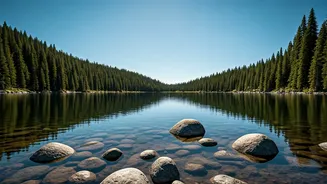
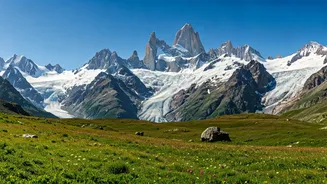
The travel industry, ever responsive to consumer desires, has already coined a term for this trend: the “cool-cation.” Travelers are increasingly looking north. Destinations like the Pacific Northwest, the Great Lakes region, New England, and even Alaska are seeing a surge in summer interest. Internationally, places like Scandinavia, Ireland, and Canada are becoming the new hot spots precisely because they are not hot. Travel data shows a clear pattern: search interest for cooler destinations spikes during heatwaves. People aren't just daydreaming; they are booking trips to places where the main attraction is a high of 72 degrees. This isn't about finding a new, undiscovered paradise. It’s about rediscovering the simple luxury of a cool breeze and a good night's sleep without needing an air conditioner roaring at full blast.
The Uncomfortable Privilege of Escape
Of course, we can't discuss this trend without acknowledging the immense privilege it represents. The ability to simply pack up and fly to a cooler climate for a week or a month is an option available only to a select few. For the vast majority of people, a heatwave isn't an inconvenience that can be solved with a plane ticket; it's a dangerous reality to be endured. Construction workers, agricultural laborers, the elderly, and low-income families in poorly insulated homes don't get to book a “cool-cation.” They are on the front lines of climate change. So while this shift in travel habits is a fascinating cultural phenomenon, it's also a stark reminder of the growing divide between those who can afford to adapt to a warming world and those who cannot.