





What 'Cooling' Actually Means
First, let's get one thing straight: in this context, 'cooling' has nothing to do with the physical temperature of your food. A steaming bowl of lentil soup can be 'cooling,' while a glass of whiskey on the rocks is decidedly 'heating.' This concept comes
from Ayurveda, the ancient system of medicine from India, which classifies foods based on their energetic effect on the body after digestion. Foods are categorized by their 'virya,' or energy, which can be either heating (ushna) or cooling (shita). Heating foods are thought to stoke your metabolic fire, boosting digestion and circulation. Think ingredients like chili peppers, ginger, garlic, and mustard. Cooling foods, on the other hand, are believed to soothe, calm, and reduce inflammation in the body. They help balance what Ayurveda calls the 'Pitta' dosha—the energy type associated with fire, digestion, and metabolism. When Pitta is out of whack (often exacerbated by hot weather, stress, or spicy food), it can manifest as acid reflux, skin irritation, and general irritability. That’s where cooling foods come in to restore balance.
Why Now? The Modern Wellness Connection
So why is this 5,000-year-old idea suddenly popping up on modern wellness feeds? It's a perfect fit for a few current American health obsessions. Firstly, the focus on anti-inflammatory eating is huge. Many Ayurvedic cooling foods—like turmeric (used in a balanced way), leafy greens, and cucumbers—are celebrated in Western nutrition for their anti-inflammatory properties. The Ayurvedic framework provides a holistic, time-tested system for an idea we're just now embracing. Secondly, there's a growing fatigue with restrictive diets. The Ayurvedic approach isn't about cutting out entire food groups; it’s about achieving balance. It encourages you to listen to your body and eat according to the season and your individual constitution. This intuitive, gentle approach feels like a welcome relief from rigid calorie-counting and carb-phobia. Finally, the emphasis on gut health has primed us to think about digestion in a more nuanced way. The idea that food has a post-digestive 'effect' on our system no longer sounds strange; it sounds like common sense.
Key Cooling Ingredients to Stock
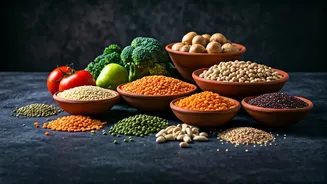
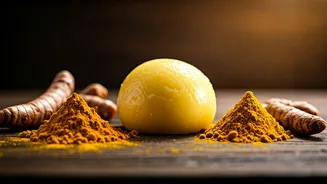
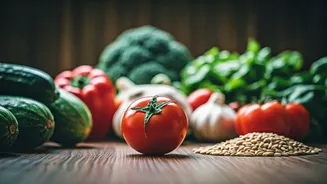
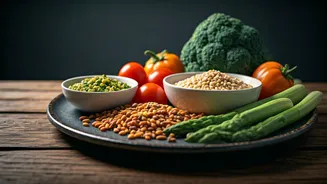
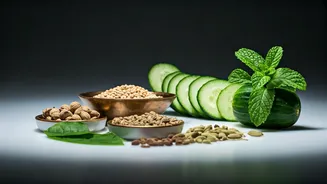
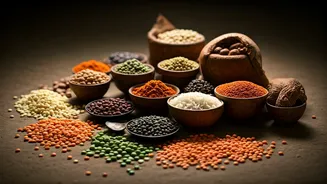
Ready to bring some balance to your plate? These ingredients are Ayurvedic staples for their cooling properties and are incredibly easy to find and incorporate into your meals. * **Cucumber:** It’s no surprise this water-rich vegetable is at the top of the list. It’s hydrating and calming. * **Mint:** A classic cooling herb, perfect for drinks, chutneys, and salads. * **Cilantro:** Another powerful cooling herb that’s a cornerstone of Indian cooking. * **Coconut:** Whether as oil, milk, or shredded flakes, coconut is prized for its soothing, sweet, and cooling nature. * **Yogurt:** The probiotic nature and creamy texture of plain yogurt make it a go-to for calming digestive fire. It's the base for countless cooling Indian side dishes. * **Melons:** Watermelon and cantaloupe are hydrating powerhouses. * **Ghee:** While it might seem counterintuitive, high-quality clarified butter (ghee) is considered a cooling fat that aids digestion without creating excess heat. * **Mung Beans:** These small green lentils are considered one of the easiest-to-digest legumes and have a cooling effect.
Cooling Dishes to Try
Putting it all together is the delicious part. Many classic Indian dishes are specifically designed to be cooling and are perfect for summer or whenever you're feeling overheated and inflamed. * **Raita:** This quintessential yogurt-based side dish is the ultimate cooling agent. Typically mixed with grated cucumber, chopped mint, and a pinch of roasted cumin, it's served alongside spicy main courses to provide immediate relief and balance. * **Koshimbir:** A simple and refreshing Maharashtrian salad made with finely chopped cucumber, tomato, onion, fresh coconut, and cilantro. It's light, hydrating, and packed with flavor. * **Lassi:** This popular yogurt drink comes in many forms. A sweet lassi with mango is cooling, but a savory one (made with yogurt, water, salt, and spices like cumin) is an even more direct digestive aid. * **Lemon Rice:** A simple South Indian dish where cooked rice is flavored with lemon juice, turmeric, and a light tempering of mustard seeds and lentils. The citrus provides a fresh, cooling counterpoint.