
What and Where is Spiti?
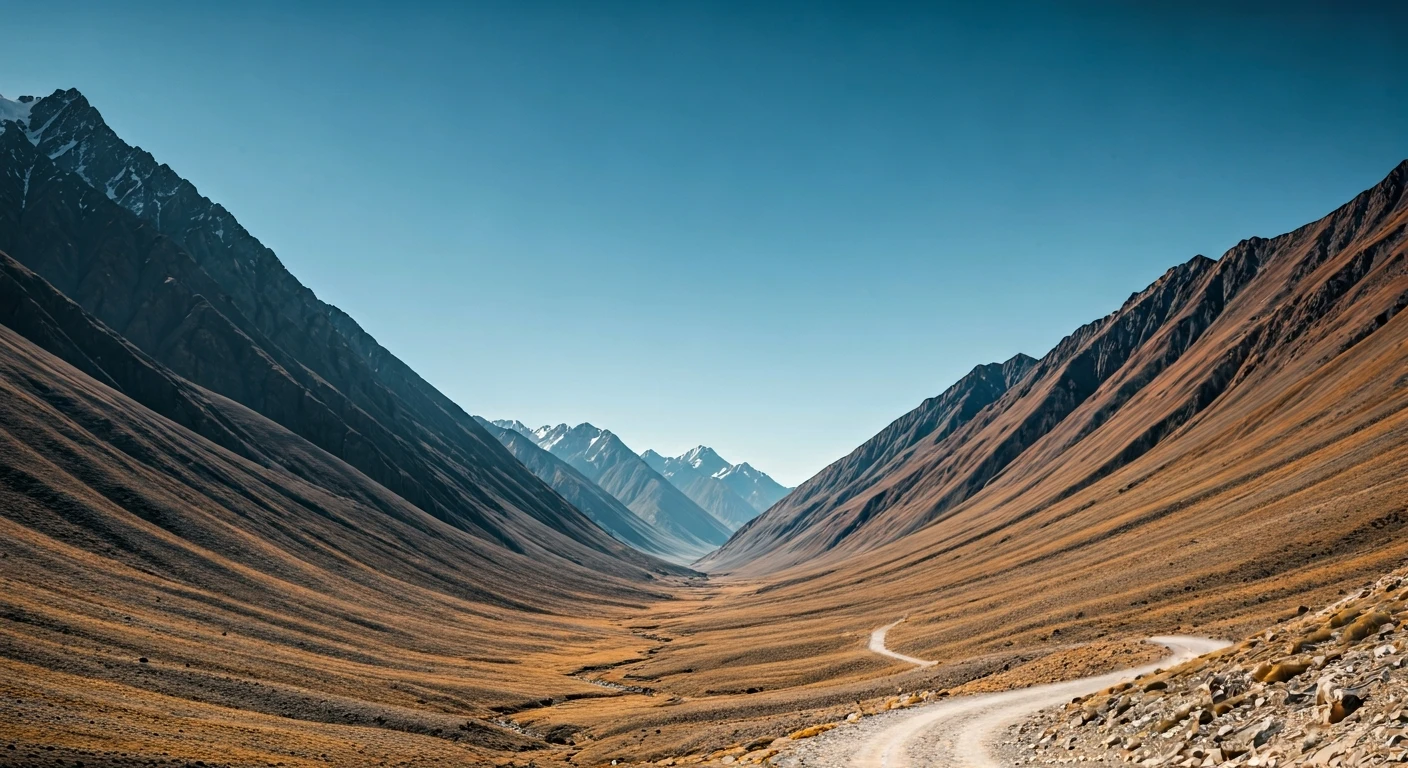
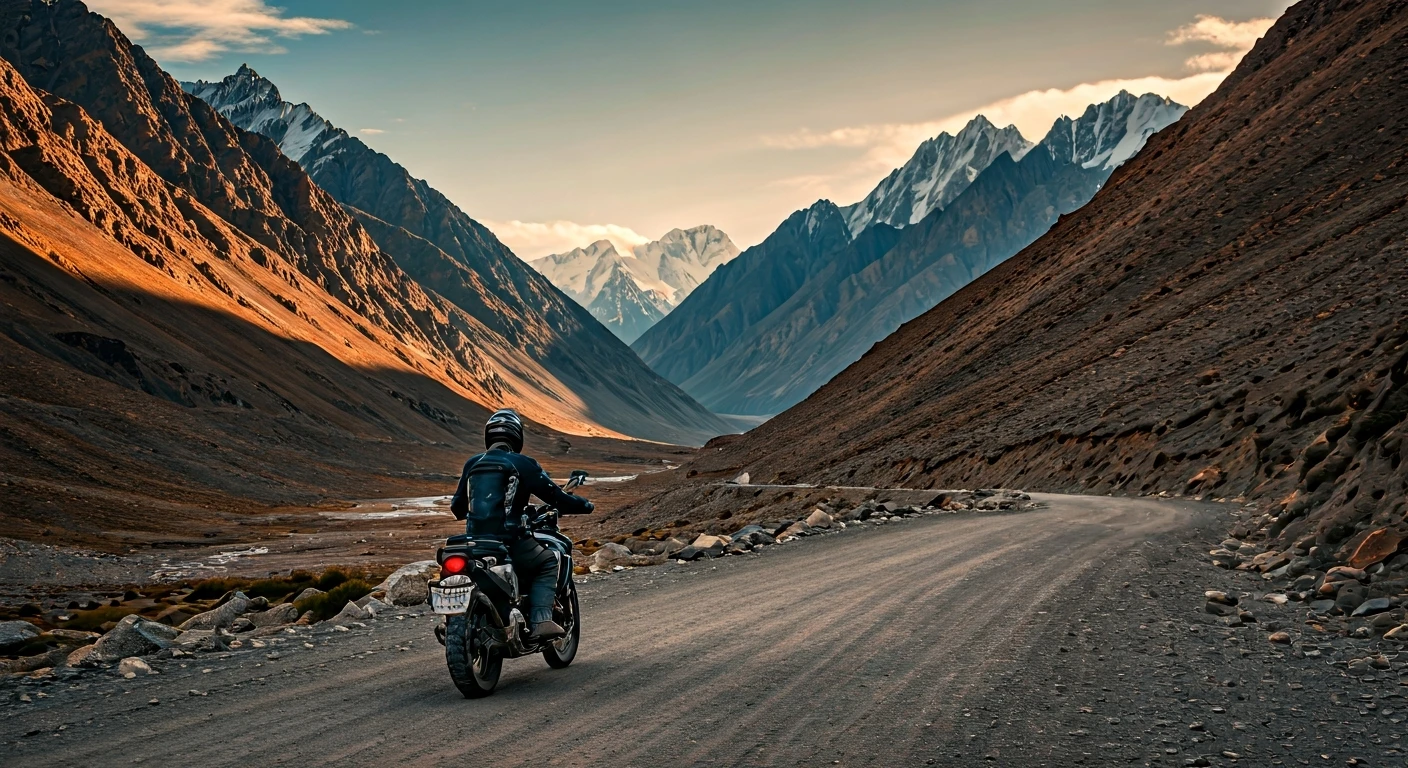
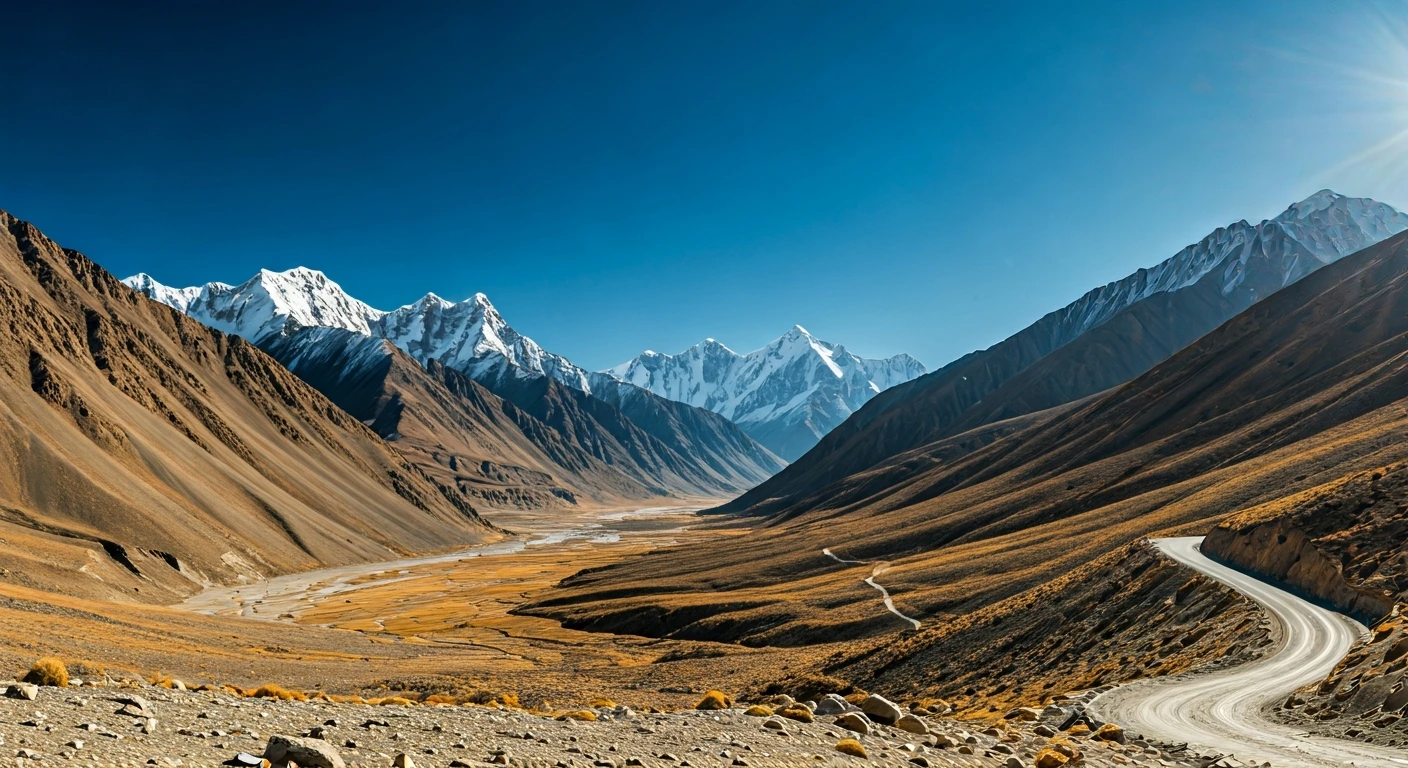
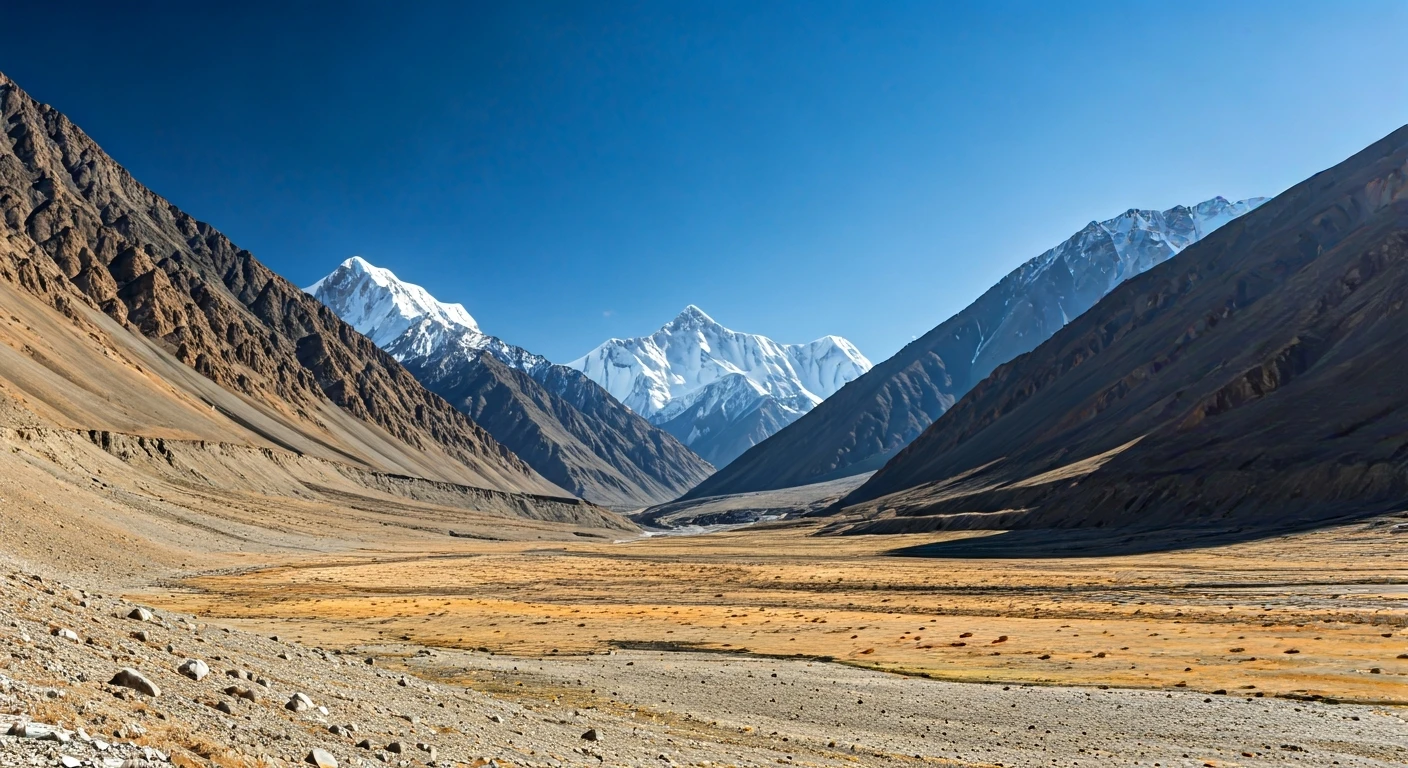
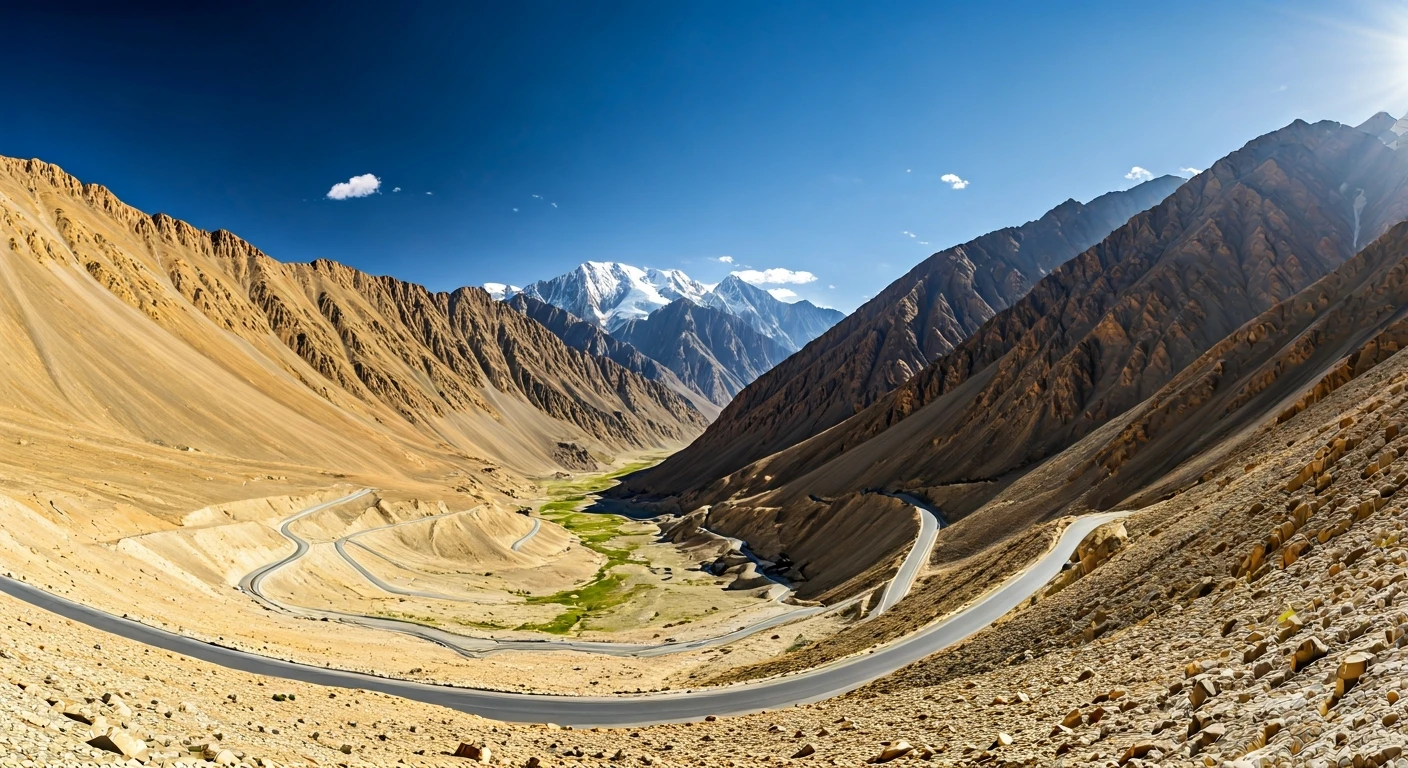
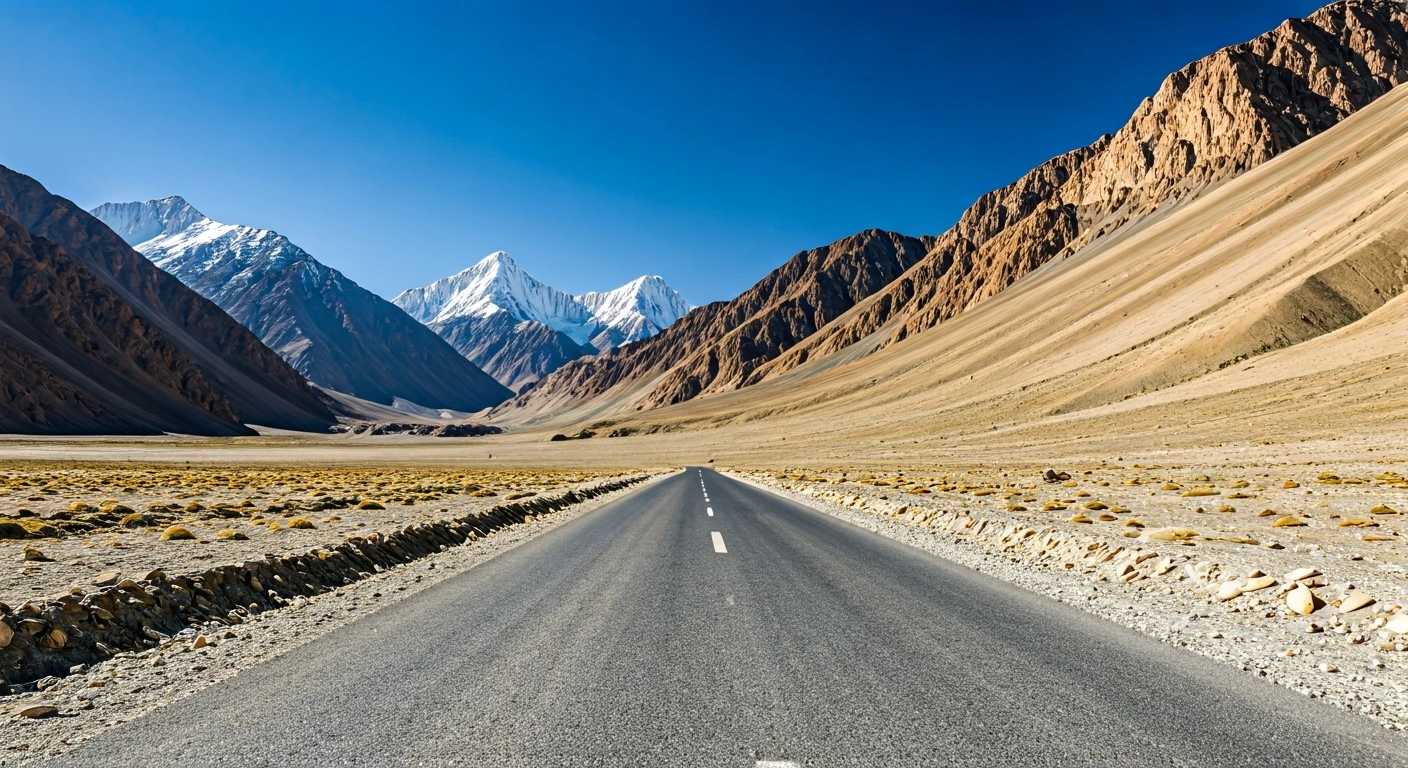
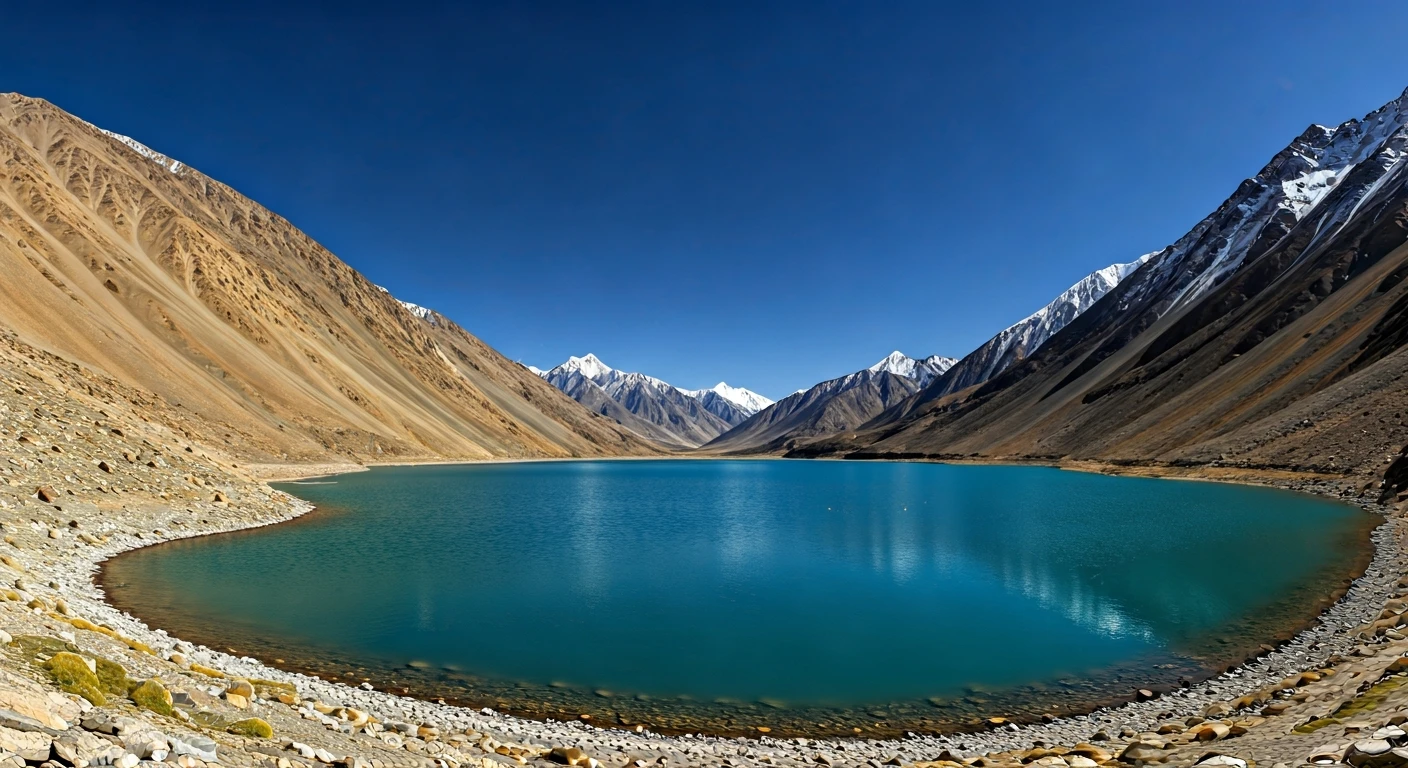
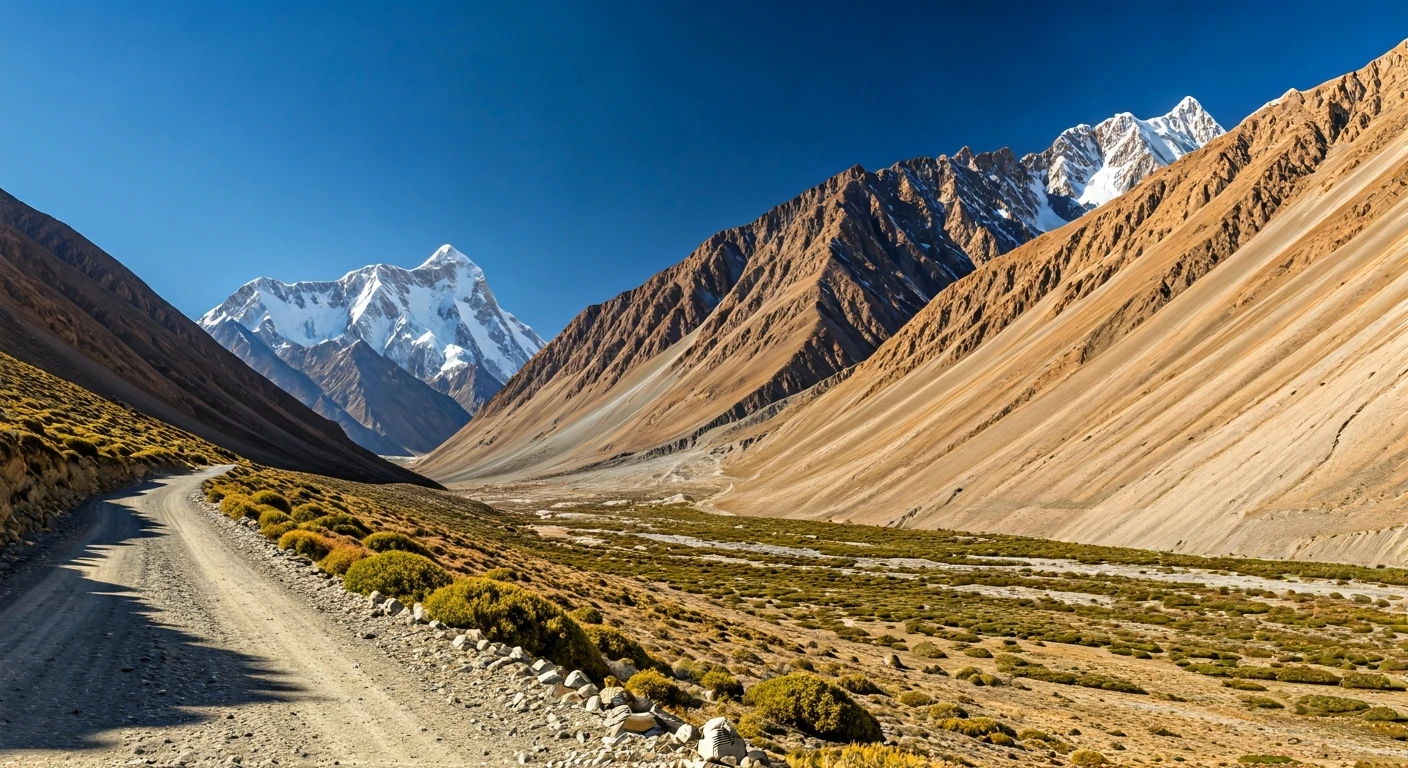
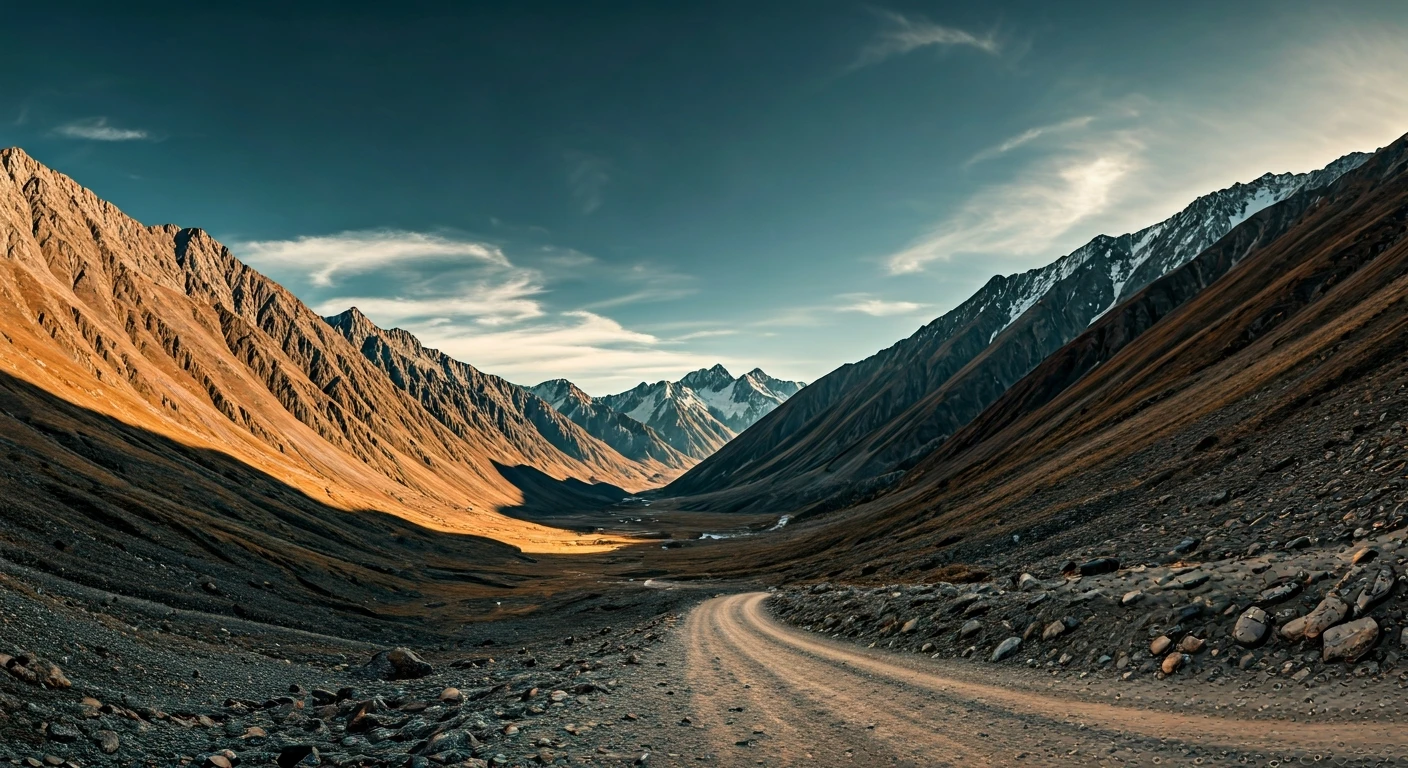
Tucked away in the Indian Himalayas in the state of Himachal Pradesh, Spiti Valley is a cold desert mountain-land that feels like a world unto itself. Often called “Little Tibet,” its landscape is a dramatic canvas of barren mountains, deep gorges, and turquoise
rivers. The key to its appeal is its altitude—averaging over 12,500 feet above sea level. This elevation means that during the Northern Hemisphere’s summer (from about June to September), Spiti enjoys clear skies and pleasant daytime temperatures hovering between 60 and 75 degrees Fahrenheit. Nights, however, are a crisp reminder of the altitude, often dropping into the 40s. It’s the perfect antidote to a sweltering American summer, offering a climate ideal for exploration, not escaping indoors.
The Journey Is the Destination
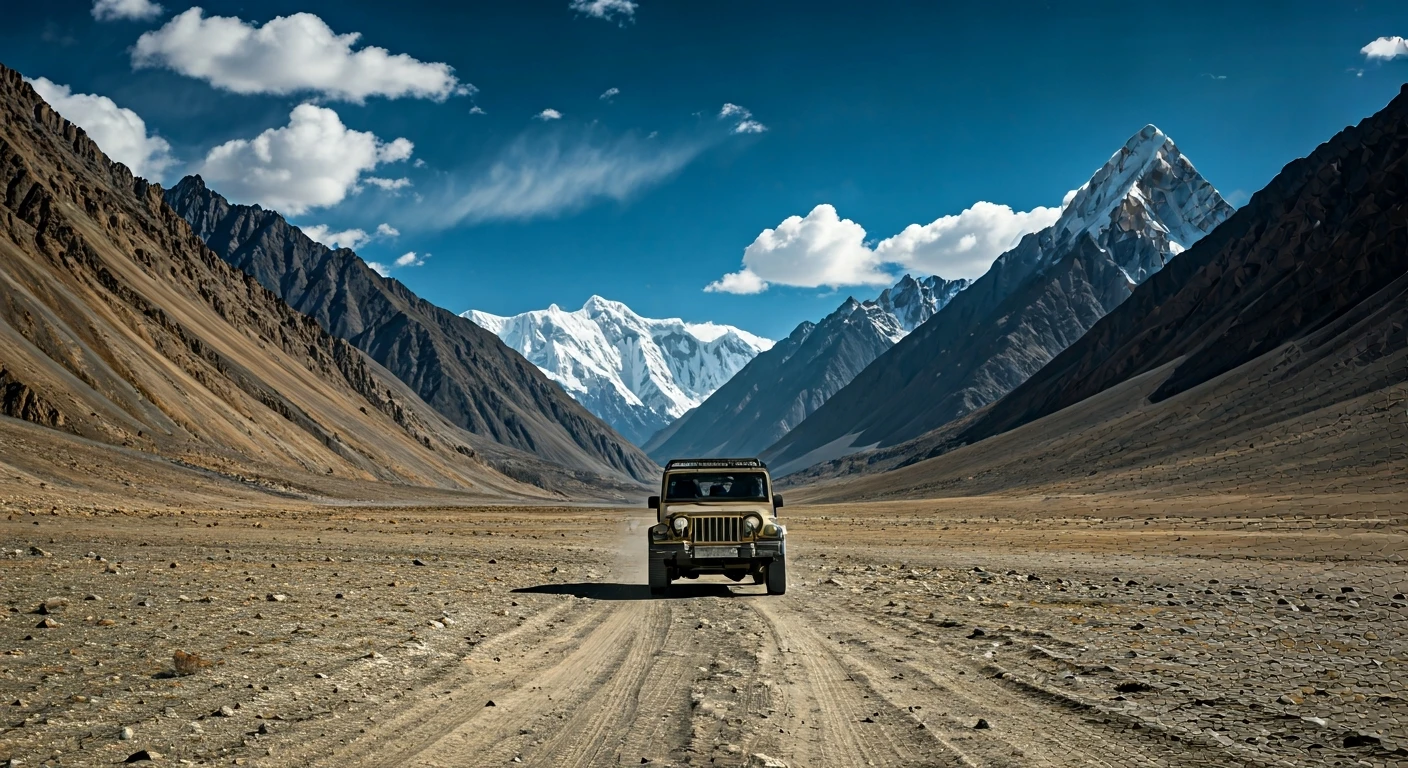
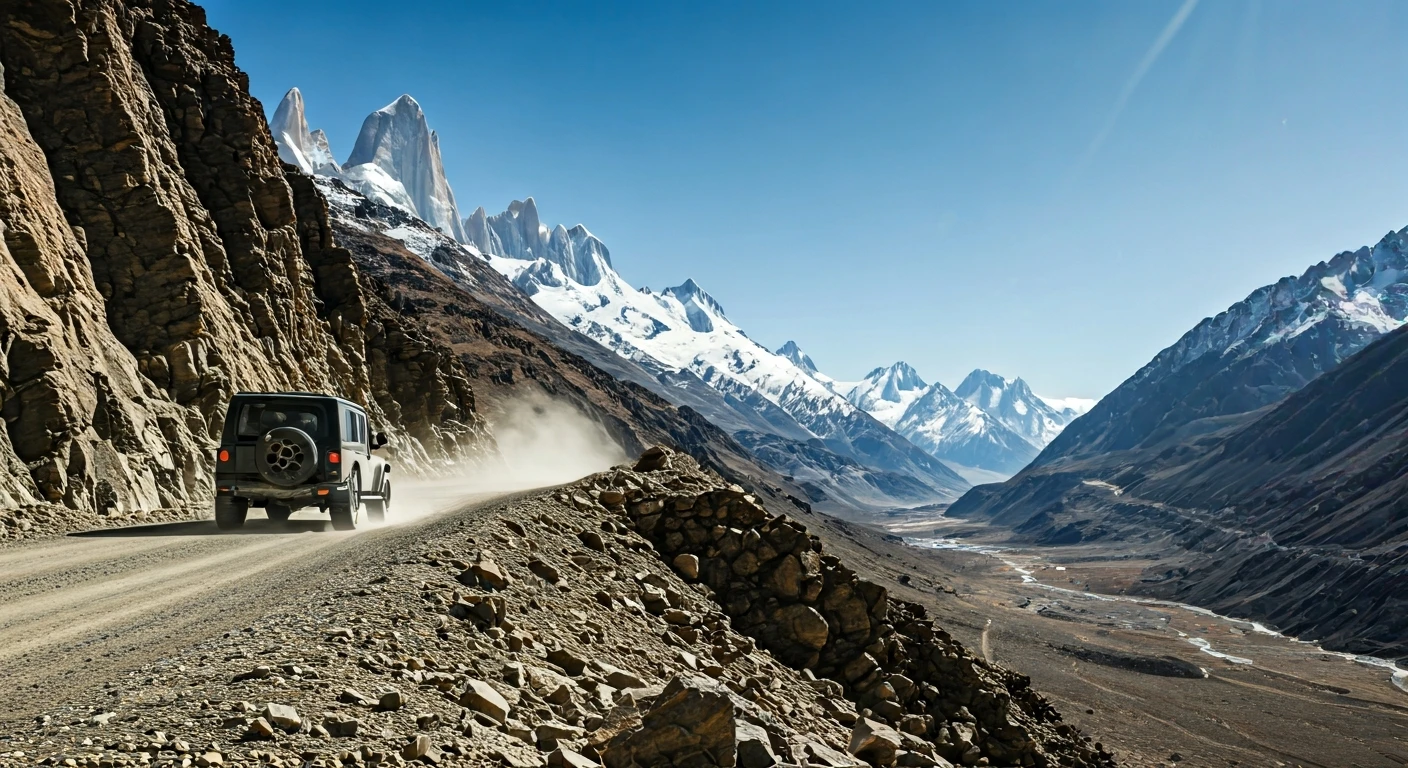
Getting to Spiti is an adventure in its own right. There are no airports or train stations in the valley; the only way in is by road, and what a road it is. Most travelers make the multi-day journey from one of two starting points: Manali or Shimla. The Manali route is shorter but more rugged, crossing high-altitude passes like the Rohtang and Kunzum La, which are only open for a few months a year. This drive is a breathtaking gauntlet of hairpin bends, glacier views, and water crossings. The route from Shimla is longer, gentler in its ascent, and open for more of the year, allowing your body more time to acclimatize to the dizzying heights. Whichever path you choose, the drive through these remote landscapes is an integral part of the Spiti experience, setting the stage for the otherworldly beauty that awaits.
Landmarks Frozen in Time
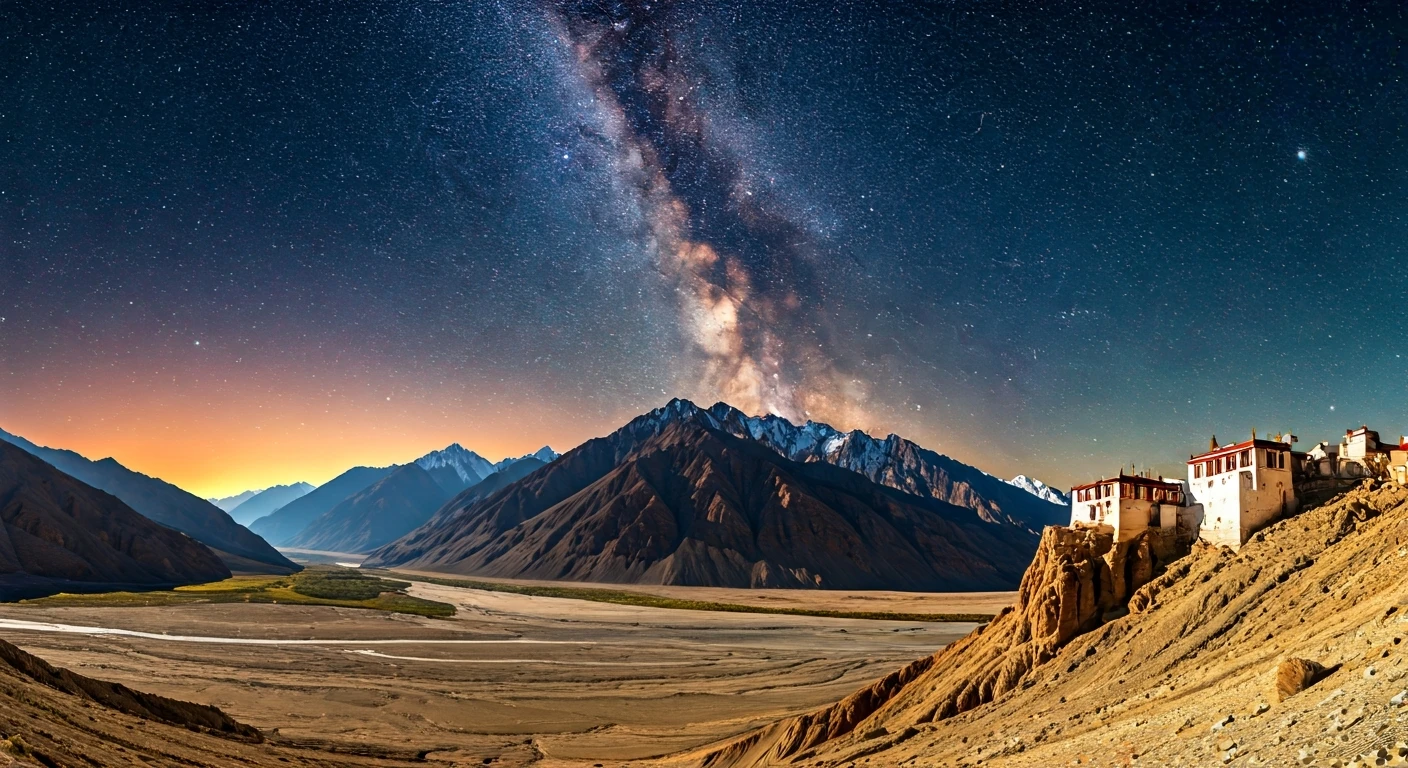
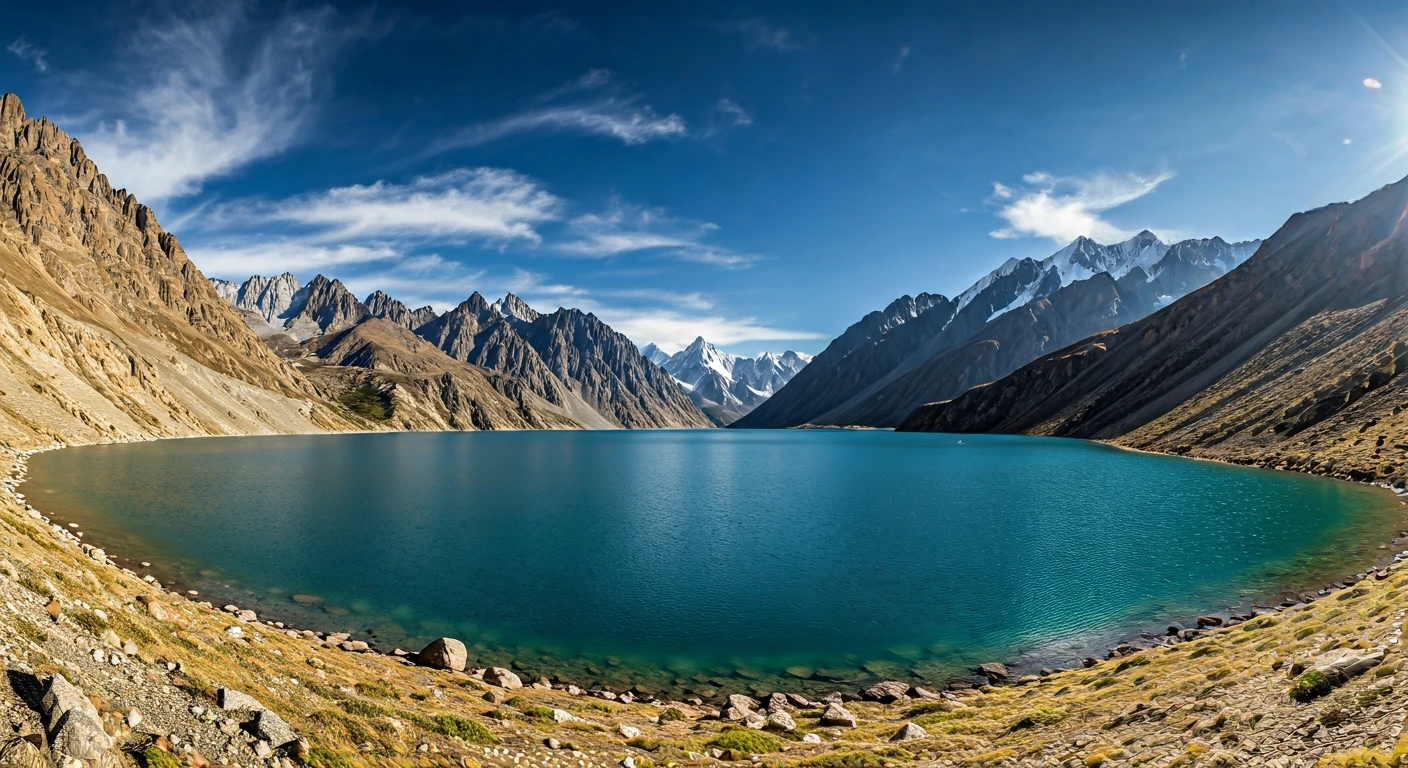
Spiti is a bastion of Tibetan Buddhist culture, dotted with monasteries that seem to defy gravity and logic. The most iconic is Key Gompa, a magnificent complex that cascades down a conical hill like a surreal fortress, housing ancient murals and hundreds of monks. Another must-see is the Tabo Monastery, a UNESCO World Heritage site founded over a thousand years ago. Known as the “Ajanta of the Himalayas,” its unassuming mud-brick exterior hides a treasure trove of priceless frescoes and manuscripts. Beyond the monasteries, the landscape itself provides the landmarks: Dhankar Monastery perched precariously on a 1,000-foot spur, the serene, high-altitude Chandratal Lake (Moon Lake), and villages like Komic, one of the highest motorable villages in the world.
Know Before You Go
A trip to Spiti requires preparation and a flexible mindset. This is not a luxury destination. The primary challenge is Acute Mountain Sickness (AMS). Acclimatizing properly by taking it slow for the first few days is non-negotiable. Accommodations are mostly simple guesthouses and homestays, which offer a wonderful opportunity to connect with local culture but lack the amenities of a resort. Pack layers—fleeces, windbreakers, and warm hats are essential for the cold nights and unpredictable weather. Cell service and Wi-Fi are scarce to nonexistent outside of the main town of Kaza, so be prepared to disconnect. Finally, travel with cash, as ATMs are few and far between. It’s a journey that rewards the prepared and the patient.