



The Opposite of a Tourist Town
Mention Indian “hill stations,” and for many, the mind conjures images of Shimla or Manali—once-charming colonial retreats now bustling, and often overwhelmed, with tourism. They have their appeal, but they can also be a flurry of crowded market streets,
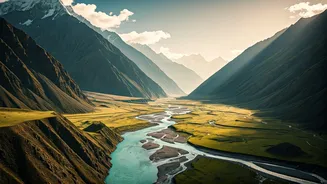
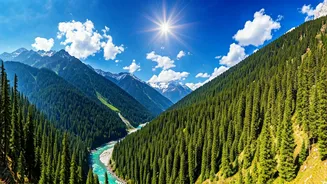
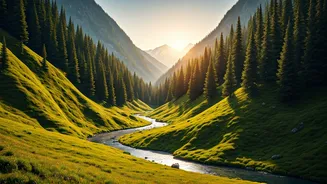
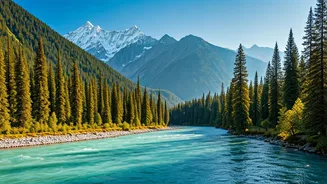
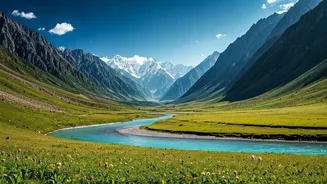
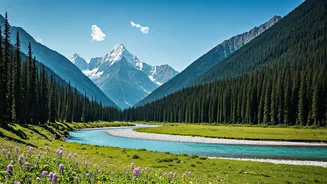
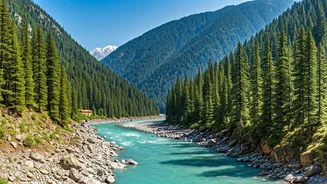
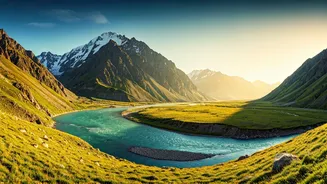
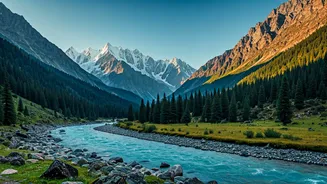
honking cars, and a checklist-driven itinerary. Tirthan Valley, nestled in the Kullu district of Himachal Pradesh, is the antithesis of this experience. It’s not a single town but a serene, 40-mile-long river valley dotted with small villages, traditional homes, and a profound sense of calm. The “drama” here isn’t about navigating crowds; it’s the breathtaking spectacle of the sun rising over the peaks of the Great Himalayan National Park.
Stay Like a Local, Not a Tourist
One of the valley’s defining features is its accommodation. You won’t find sprawling, five-star resorts with infinity pools here. Instead, the local economy is built on a network of intimate homestays and guesthouses, often run by families who have lived in the region for generations. These aren't rustic shacks; many offer comfortable rooms with modern amenities, but the experience is deeply personal. Your host might share stories over a cup of chai, cook you a traditional Himachali meal with ingredients from their garden, and offer tips on the best hidden waterfall to visit. This model of tourism keeps the valley from feeling commercialized and offers travelers a more authentic cultural exchange, turning a simple vacation into a memorable, immersive stay.
Adventure That Connects, Not Just Thrills
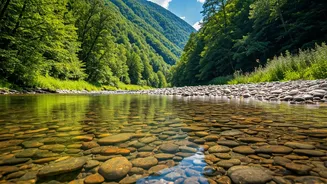
The main attraction in Tirthan Valley is nature itself. The valley serves as the gateway to the Great Himalayan National Park, a UNESCO World Heritage Site teeming with diverse flora and fauna, from blue sheep to the elusive snow leopard. The adventure here is less about adrenaline-fueled sports and more about quiet immersion. Days are best spent trekking along forest trails, trying your hand at trout fishing in the crystal-clear Tirthan River (a practice introduced by British officers a century ago), or simply finding a smooth boulder by the water’s edge to read a book. The loudest sound you’ll hear is often the rushing river. It’s a place that encourages you to slow down, disconnect from your devices, and reconnect with the world around you.
Accessible, But Just Far Enough
Part of Tirthan’s magic is its strategic location. It’s accessible—roughly a two-hour drive from the more chaotic hub of Aut, which is on the main Delhi-Manali highway—but it’s not *on* the main tourist highway. This slight detour is just enough to filter out the casual crowds, ensuring that those who make the journey are seeking the tranquility the valley offers. You can fly into the nearby Bhuntar Airport (Kullu) and take a taxi from there. This positioning makes it feel like a protected secret, a world away from the high-traffic zones just over the mountain pass. It’s the perfect balance of being remote enough to feel special but not so remote that it’s an ordeal to reach.