


Astilbe (False Spirea)
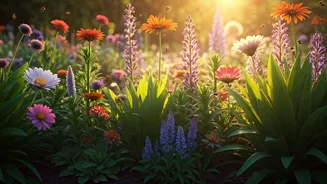
If you have a shady, damp spot where nothing seems to thrive, Astilbe is your answer. Known for its beautiful, feathery plumes of flowers that rise above fern-like foliage, this perennial is the definition of low-maintenance elegance. It comes in shades
of pink, red, purple, and white, blooming in late spring to early summer. Astilbe’s only real demand is consistent moisture; it despises drying out. This makes it perfect for those boggy corners of the yard or for the gardener who can’t help but overwater. Plant it once in a spot with part-shade, keep the soil moist, and it will reward you with year after year of effortless beauty. They are generally hardy in USDA Zones 3-8.
Cardinal Flower (Lobelia cardinalis)
For a show-stopping splash of color, look no further than the Cardinal Flower. This native North American perennial produces brilliant scarlet-red flower spikes in mid-to-late summer that are absolute magnets for hummingbirds. It naturally grows along stream banks and in marshy areas, so it’s perfectly adapted to wet feet. In fact, it performs poorly in dry soil. This makes it an ideal candidate for rain gardens, low-lying wet spots, or areas near a downspout. While it may be short-lived, it often self-seeds in happy conditions, ensuring a continuous display. Give it full sun to part shade and plenty of water, and you'll have a wildlife-attracting superstar. It thrives in Zones 3-9.
Siberian Iris (Iris sibirica)
Don’t let its delicate, graceful appearance fool you—the Siberian Iris is tough as nails. These irises form dense clumps of grassy foliage and produce elegant, slender-stemmed flowers in shades of blue, violet, and white in late spring. Unlike their bearded iris cousins that demand sharp drainage, Siberian Irises are perfectly content in moist to wet soil. They can even handle brief periods of standing water. They are incredibly disease-resistant and require virtually no care once established, making them a true “plant it and forget it” option for the lazy gardener with a damp lawn. They do best in full sun and are hardy in Zones 3-8.
Ostrich Fern (Matteuccia struthiopteris)
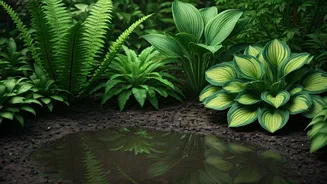
For a lush, prehistoric vibe, you can’t beat the Ostrich Fern. These magnificent ferns send up large, vase-shaped fronds that can reach up to four feet tall, creating a dramatic, tropical-looking backdrop. They are native to riverbanks and swamps, so they adore consistently moist soil and will happily colonize a damp, shady area via underground runners. This is a blessing for a lazy gardener looking to fill a large, difficult space with zero effort. Just be sure to give them room to spread! In the right conditions—shade and plenty of moisture—they will form a stunning, weed-suppressing groundcover. Ostrich Ferns are exceptionally hardy, thriving in Zones 3-7.
Elephant Ear (Colocasia)
If you want to make a bold, tropical statement, Elephant Ears are the way to go. Named for their massive, heart-shaped leaves that can be several feet long, these plants bring an instant jungle feel to any garden. Many varieties of Colocasia are native to wetlands and can be grown in standing water, making them perfect for the edges of a pond or a perpetually boggy spot. They are heavy feeders and drinkers, so the more water and rich soil you provide, the bigger they get. In colder climates (generally Zones 8 and below), the bulbs must be dug up and stored indoors for the winter, but for gardeners in warmer regions, they offer a massive visual payoff for minimal effort during the growing season.
Canna Lily (Canna)
Canna Lilies deliver a one-two punch of dramatic foliage and vibrant flowers. Their leaves can be green, bronze, or variegated, and their blooms come in fiery shades of red, orange, and yellow. Like Elephant Ears, they have a tropical look and a big appetite for water and sun. They are remarkably versatile and can be grown in standard garden beds (with plenty of water), in containers, or even as marginal aquatic plants at the edge of a pond. This love of moisture means they won’t punish you for an accidental overwatering and will thrive in areas that get frequent rain. Hardy in Zones 7-10, they can be treated as annuals or have their rhizomes saved over winter in cooler climates.