
Beyond the Lone Superfood
For decades, the Western approach to healthy eating has felt like a casting call for a single superhero. One year, it’s all about kale’s valiant fight against free radicals. The next, quinoa is the chosen grain destined to save our lunch bowls. This method,
known as nutritional reductionism, isolates compounds or foods and champions them as a silver bullet. While it makes for great marketing, it misses a fundamental truth that many traditional food cultures have known for centuries: ingredients work better together. This is the core of the lesson emerging from Desi (South Asian) culinary traditions. Instead of searching for one magic ingredient, this philosophy is built on synergy. It’s a worldview where the whole is far greater than the sum of its parts, and balance isn't just a goal—it's the entire point. This ancient knowledge, passed down through generations in kitchens across India, Pakistan, Bangladesh, and beyond, is now finding a new, curious audience in the U.S. wellness scene, which is slowly growing tired of the endless cycle of single-ingredient fads.
The Power of the Perfect Pair
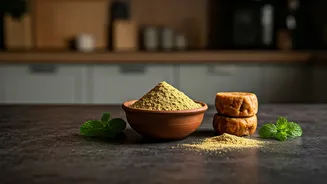
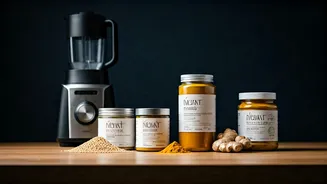
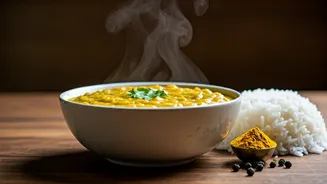
The most visible entry point for this trend is the concept of food synergy, where combining specific ingredients unlocks or enhances their nutritional benefits. The most famous example is turmeric. For years, Americans have been adding it to everything from lattes to smoothies for its anti-inflammatory compound, curcumin. But Ayurvedic tradition—and modern science—has long understood that curcumin is poorly absorbed by the body on its own. The classic Desi solution? Add a pinch of black pepper. The piperine in pepper can boost curcumin absorption by up to 2,000 percent. It’s not just a seasoning; it’s a key that unlocks the treasure chest. This principle of partnership is everywhere in Desi cooking. Ginger and honey are combined not just for taste but to create a soothing, antimicrobial remedy for coughs and colds. Cumin and coriander are a classic duo used to aid digestion and balance flavor. Even the simple act of squeezing lemon over a plate of lentils or leafy greens isn't just for a zesty kick; the vitamin C dramatically increases the body’s ability to absorb the iron from the plants. These aren’t accidental pairings; they are deliberate, time-tested wellness formulas hiding in plain sight as delicious food.
When the Meal Itself Is Medicine
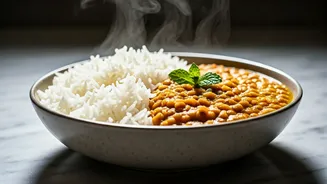
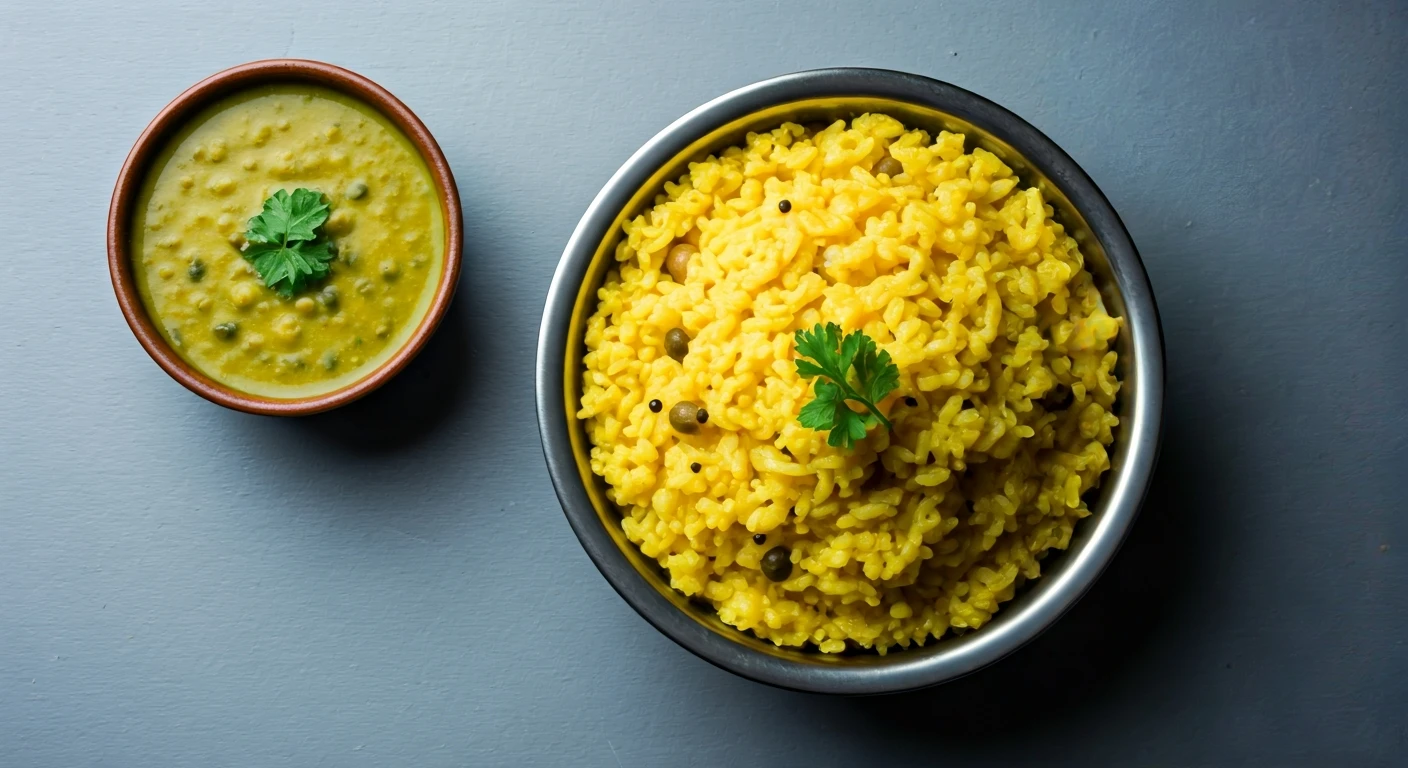
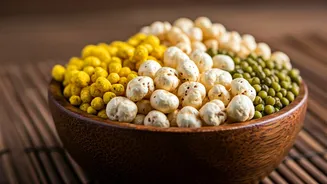
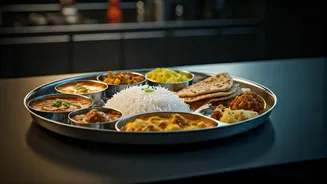
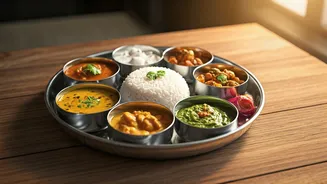
The lesson deepens when it moves beyond simple pairings and into entire meals. Take khichdi, a humble and comforting dish made from rice and lentils (dal). In the West, it might be dismissed as simple “comfort food.” But in South Asian culture, it’s revered as a complete, perfectly balanced meal. The combination of grain and legume forms a complete protein. Often cooked with ghee (clarified butter), turmeric, and ginger, it’s gentle on the stomach, easy to digest, and deeply nourishing. It’s the go-to meal for recovery when someone is sick, for babies, and for anyone needing a system reset. Similarly, the concept of a thali—a platter featuring small bowls of various dishes—is a masterclass in balanced eating. A typical thali includes a source of protein (dal), carbohydrates (rice or roti), vegetables, a probiotic (yogurt), and a small sweet. It provides a symphony of flavors—sweet, sour, salty, bitter, pungent, and astringent—and a full spectrum of nutrients in one sitting. This isn't about calorie-counting or obsessing over macros; it’s an intuitive, holistic approach to satisfying the body’s needs.
An Ancient Idea Goes Mainstream
This shift from ingredient to system is slowly permeating American food culture. It’s visible in the rise of Ayurvedic-inspired cafes, the growing popularity of South Asian chefs on social media who explain the “why” behind their recipes, and in the increasing number of wellness influencers looking toward time-tested traditions for answers. People are discovering that the secret to health might not be in an expensive, lab-created powder but in a simple bowl of dal and rice their grandmother perfected. By embracing Desi combos, the wellness world is learning to value not just what we eat, but how we eat it. It’s a move away from the quick fix and toward a more sustainable, integrated understanding of nourishment. It’s a recognition that the wisdom of a culture’s cuisine is often its most potent health lesson.