



From Reactive to Proactive Health
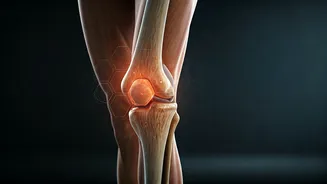
We've all been there: a sudden twinge in the back from lifting a box, a sore knee after a weekend game, or a stiff neck from sitting at a desk. Traditionally, our approach to health is often reactive; we wait for a problem to arise and then seek a solution.
This model treats our bodies like a car that only gets attention when the check engine light comes on. Proactive health management flips the script. Instead of waiting for the breakdown, it focuses on building a system that is less likely to break down in the first place. It’s about prevention, resilience, and maintaining a high quality of life, not just the absence of disease or injury. This mindset encourages us to build strength, mobility, and stability for the demands of our daily lives, ensuring we can continue to do the things we love, whether that’s playing with grandkids, hiking a mountain, or simply carrying groceries without fear of pain.
What Are Functional Movement Patterns?
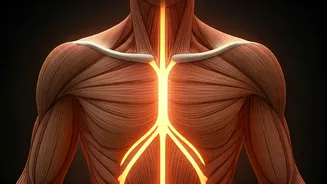
At the heart of proactive health is the concept of functional movement. Think of it as training for the sport of life. Unlike traditional gym exercises that often isolate a single muscle (like a bicep curl), functional movements are compound exercises that engage multiple muscle groups and joints simultaneously. Why? Because that’s how our bodies are designed to work. You don’t use just your bicep to pick up a heavy suitcase; you use your legs, core, back, and arms in a coordinated sequence. Functional movement patterns are the fundamental building blocks of everything you do, from getting out of a chair (a squat) and putting something on a high shelf (a push) to carrying a child (a loaded carry). By training these patterns, you are not just building muscle; you are improving the brain-body connection, enhancing coordination, and making your movements more efficient and safer.
The 7 Primal Movement Patterns
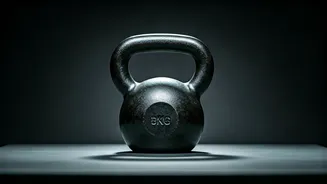
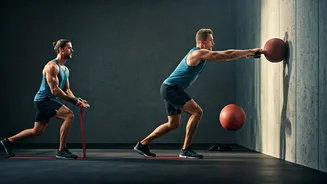
While experts categorize them slightly differently, most agree on a core set of foundational human movements. Mastering these is the key to functional strength. 1. **Squat:** Bending at the knees and hips to lower your body, as if sitting in a chair. Essential for standing up, lifting low objects, and leg strength. 2. **Hinge:** Bending at the hips with a relatively straight back, like in a deadlift or picking something up off the floor. This protects your lower back. 3. **Lunge:** Stepping forward, backward, or sideways. This single-leg movement is crucial for balance, stability, and activities like walking upstairs. 4. **Push:** Pushing something away from your body, either horizontally (like opening a heavy door) or vertically (like placing an item on a high shelf). 5. **Pull:** Pulling something toward your body, like starting a lawnmower, rowing, or doing a pull-up. 6. **Carry:** Moving with a heavy object, such as carrying groceries, a suitcase, or a child. This develops core stability and grip strength. 7. **Rotate:** Twisting the torso, a fundamental part of throwing a ball, swinging a golf club, or even just looking over your shoulder.
The Real-World Benefits
The payoff for focusing on these patterns is immense. First and foremost is injury prevention. When your body is strong and coordinated in the ways it’s most often used, you’re less likely to strain a muscle or throw your back out during a routine activity. Functional training builds a robust, adaptable body. Secondly, it improves performance in every aspect of life. You’ll have more energy, better posture from a stronger core, and improved balance, which is critical for preventing falls as we age. For those who play sports or have active hobbies, the improvements are even more direct, leading to more power, speed, and agility. Ultimately, this approach is about maintaining independence and capability for decades to come, ensuring your body remains a reliable partner in whatever you want to do.
How to Start Incorporating Functional Movement
You don't need a fancy gym or complicated equipment to begin. Start by simply becoming aware of how you move throughout the day. When you pick something up, are you hinging at your hips or rounding your back? When you get up from the couch, are you using your hands to push off, or are your legs doing the work in a squat pattern? You can begin with simple bodyweight exercises. Practice bodyweight squats, focusing on form. Try lunges in your living room. When you unload groceries, think of it as a “farmer’s carry” exercise, engaging your core and keeping your shoulders back. The goal isn’t to exhaust yourself, but to re-teach your body how to move correctly and efficiently. As you get more comfortable, you can add light weights or resistance bands, but the foundation is always the pattern itself.