
The Humble Onion
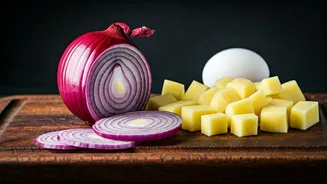
For most home cooks, an onion is something to be roughly chopped and softened in a pan. For a chef, it’s a foundational building block where precision is paramount. The first difference is the knife cut. A fine, consistent dice (brunoise) ensures every
piece cooks evenly, melting into a sauce without any chunky, raw surprises. A perfect julienne creates delicate, uniform slivers for salads or toppings. Beyond the cut, it's about unlocking flavor. Chefs understand that low, slow heat over 45 minutes transforms sharp, pungent onions into a jammy, deeply sweet marvel of caramelization—a process rarely afforded the patience it deserves in a hurried home kitchen. They see it not as a background note, but as a potential star.
The Everyday Egg
An egg is an egg, right? Not quite. In a home kitchen, scrambled eggs are often a rushed affair, blasted with high heat until they’re firm and slightly rubbery. A chef, however, approaches eggs with a reverence for temperature control. A classic French omelet is cooked over gentle heat, constantly stirred and agitated, resulting in a custardy, creamy texture that’s rolled into a perfect cylinder with no browning. Silky scrambled eggs are often finished with a knob of cold butter or a touch of cream off the heat to halt the cooking process, ensuring a luxuriously soft curd. It’s a lesson in restraint. The heat is a tool to be managed, not a force to be unleashed. The goal isn't just to cook the egg, but to control its final texture down to the degree.
The Overlooked Potato
Potatoes are often relegated to being boiled, baked, or fried without much thought. A chef, however, starts by considering the potato's primary characteristic: its starch content. High-starch potatoes like Russets are chosen for their fluffy, absorbent interiors, making them perfect for French fries that are crisp on the outside and pillowy within (often achieved through a two-step frying process). Waxy potatoes like fingerlings or Red Bliss, which hold their shape, are selected for potato salads or roasting. For the ultimate mashed potatoes (pommes purée), a chef might pass cooked potatoes through a ricer or food mill—never a blender, which turns them gluey—to achieve a flawlessly smooth texture before emulsifying an almost-scandalous amount of butter and cream.
The Simple Carrot
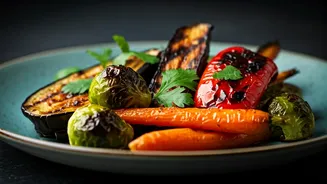
Carrots are typically peeled and chopped into rough coins. A chef sees more. First, nothing is wasted. The peels and ends are saved for making a flavorful vegetable stock, the base of countless soups and sauces. The carrot itself is treated as a canvas for knife skills. The tourné, a seven-sided football shape, is a classic (if slightly dated) example of turning a vegetable into a piece of art. More practically, a chef's uniform cuts—be it a perfect dice or a long, elegant baton—ensure even cooking and a more professional presentation. They also explore different cooking methods to alter texture and flavor, from roasting carrots whole to bring out their sweetness, to shaving them into thin ribbons for a raw salad, to glazing them in butter and stock until tender and glossy.
The Unassuming Chicken Breast
The dry, bland chicken breast is a common kitchen tragedy. For a chef, ensuring a juicy result is non-negotiable, and the work starts long before the pan gets hot. The first step is often a brine—a simple saltwater solution (sometimes with sugar and herbs) that the chicken soaks in. This process seasons the meat from the inside out and, more importantly, helps its cells retain moisture during cooking. Next, a chef ensures the chicken is perfectly dry on the outside for a beautiful, golden-brown sear. They also understand pan temperature, using a hot pan to create a crust but often finishing the chicken in the oven to cook it through gently without overcooking the exterior. It’s a multi-step strategy for success, not a one-pan gamble.