





Beyond the Scandinavian Blueprint
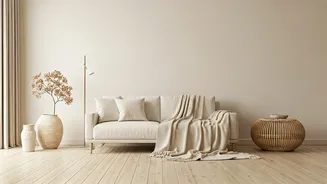
When Americans think of minimalism, the image is often pulled from a Scandinavian catalog or a Japanese Zen garden: clean lines, monochromatic palettes, and a near-monastic absence of clutter. It’s a design language of deliberate restraint, often perceived
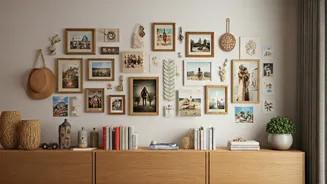
as cool and detached. For a long time, this was the global template. But in the bustling, polychromatic cities of India, from Mumbai to Bangalore, designers and homeowners are rewriting the rulebook. They are proving that minimalism isn't about having less, but about having the *right* things. Instead of stripping spaces down to an impersonal core, this new movement is about curating a thoughtful, personal environment. It’s less about absence and more about intention, creating rooms that breathe without feeling barren.
A New, Confident Indian Modern
So, why now? The trend is a product of a modern, globalized India. A generation of urban Indians, well-traveled and digitally connected, are exposed to international trends like never before. They appreciate the clean, uncluttered ethos of minimalism as an antidote to the chaos of city life. But at the same time, there's a powerful, concurrent movement toward reclaiming and celebrating local identity. After decades of looking Westward for cultural cues, there's a renewed pride in Indian heritage. This new minimalism is the perfect synthesis of those two currents. It’s a confident declaration that one can be modern and global without shedding cultural identity. It reflects a desire for homes that are both serene sanctuaries and authentic reflections of who they are.
The Language of Local Materials
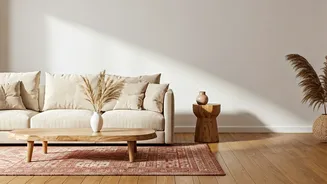
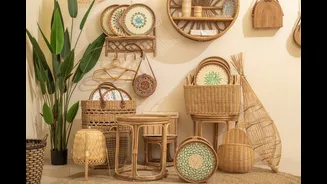
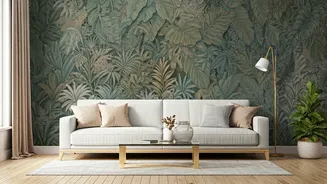
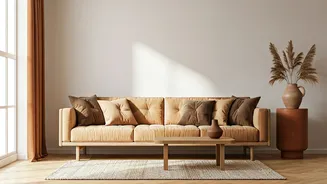
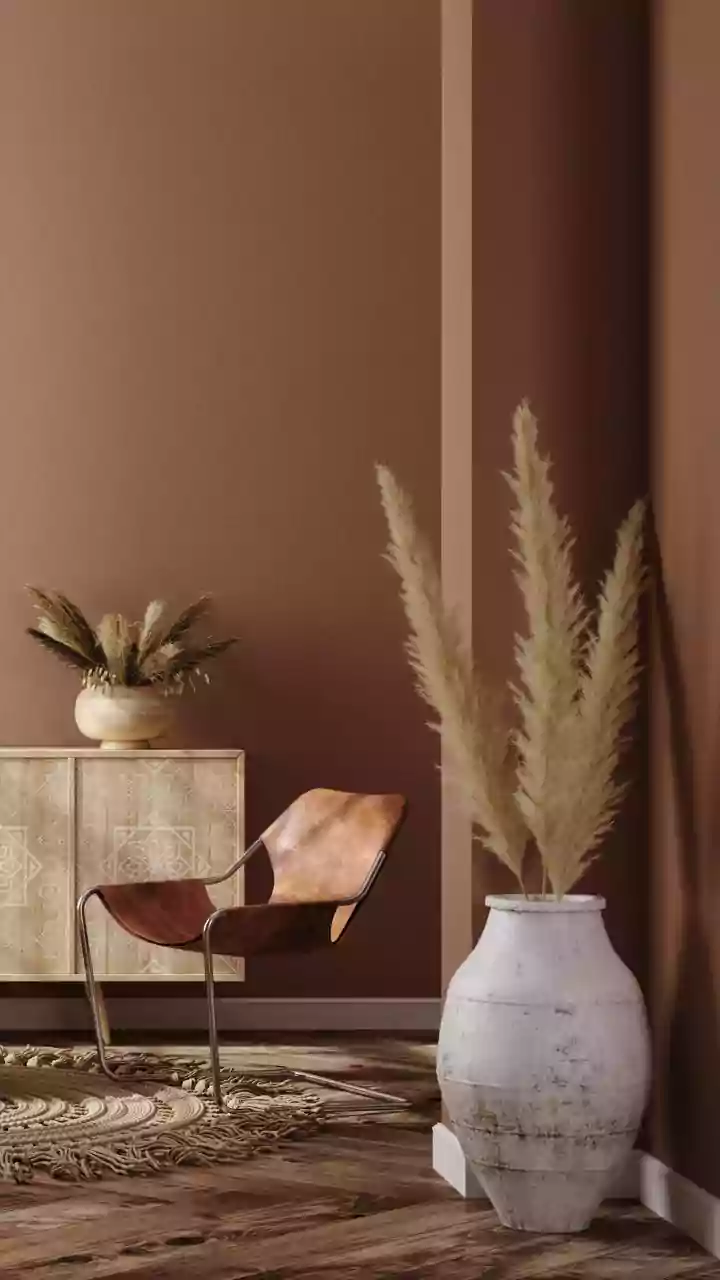
The “warmth” in Indian minimalism comes directly from its material palette. Where Nordic design favors pale woods like birch and pine, Indian interiors are leaning into the rich, deep tones of native teak, sheesham (Indian rosewood), and mango wood. The coldness of polished concrete is replaced by the earthy texture of lime plaster walls (often called 'aranyish'), terrazzo floors flecked with color, and the subtle imperfections of terracotta tiles. Natural fibers are everywhere, adding layers of texture that invite touch. You’ll find jute and cane woven into furniture, hand-spun 'khadi' cotton used for upholstery, and light, airy linens that billow in the breeze from an open window. The color palette moves beyond stark white and grey to embrace muted, earthy tones: ochre, terracotta, sage green, and indigo, all colors deeply rooted in the Indian landscape and artistic tradition.
Craftsmanship as the Centerpiece
Perhaps the most significant departure from conventional minimalism is the celebration of the handmade. Western minimalism often prizes machine-made perfection and flawless surfaces. The new Indian minimalism, however, places the unique, imperfect object at its heart. Instead of an abstract painting, the focal point of a room might be a hand-carved wooden panel, a traditional 'Pichwai' painting, or a single, beautifully crafted piece of ceramic. Hand-woven 'dhurries' (rugs) add pattern and texture underfoot, while block-printed fabrics bring a story to cushions and throws. This approach not only supports local artisans and preserves centuries-old craft traditions, but it also imbues spaces with a narrative and a soul. Each object has a history, a maker, a story to tell, turning the home into a gallery of personal and cultural significance.