



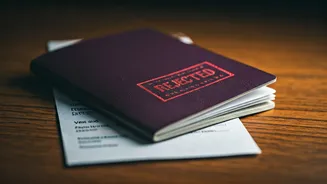


Decoding That ₹15,000 Price Tag
First, let's translate. The headline’s ₹15,000 is about $180 U.S. dollars. This isn't a random number; it's almost exactly the current application fee for a U.S. visitor visa (B-1/B-2). So, the “strategy” isn’t about buying a secret travel pass. It’s
about the cost of applying for one of the most scrutinized and sought-after visas in the world. Crucially, this is a non-refundable *application fee*. There's no guarantee of approval. Applicants, particularly from developing nations, must undergo a rigorous process to prove they have strong ties to their home country and won't overstay their visa. They submit extensive documentation—bank statements, employment letters, property deeds—and attend a nerve-wracking in-person interview. The $180 is simply the price to enter the lottery, making the potential payoff even more significant for those who succeed.
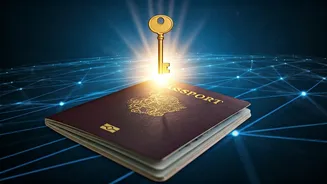
The 'Golden Ticket' Visa Concept
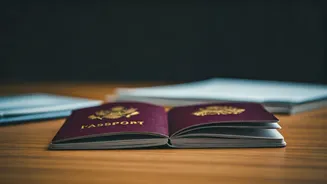
For an American traveler, a passport is the golden ticket. It grants visa-free access to over 180 countries. But for citizens of India, the Philippines, or Nigeria, a passport is just the first step. They often need separate, pre-approved visas for nearly every country they wish to visit, a process that is both expensive and time-consuming. This is where the 'Golden Ticket' visa strategy comes in. A valid, long-term visa from a country like the United States, the United Kingdom, Canada, or the European Schengen Area acts as a master key. Why? Because other countries trust their rigorous vetting processes. If the U.S. government has determined you are not an immigration risk, smaller countries are often willing to take their word for it. They piggyback on the security and financial checks already performed, saving themselves administrative work and attracting well-vetted tourists.
How It Unlocks Global Corridors
So, how does this play out in the real world? Let’s take a hypothetical traveler from India who successfully obtains a U.S. visitor visa. Suddenly, their travel map expands exponentially. With that single stamp in their passport, they can now enter dozens of other countries without enduring a separate visa application process. For example, they can travel to Mexico for up to 180 days. They can explore the Philippines for 14 days. Countries in the Balkans like Albania, Montenegro, and Serbia become accessible. So do Central American destinations like Panama and Costa Rica, and even South American nations like Peru (depending on the visa type). Each of these visa-free privileges would have otherwise required separate applications, fees, and weeks of waiting. By investing the time, money, and stress into one difficult application, they save themselves countless future headaches. That’s the leverage—and the genius—of the strategy.
A Lesson in Passport Privilege
If this all sounds foreign, it’s because you likely hold a powerful passport. For most Americans, the idea of needing a visa for a vacation in Mexico or a European country is completely alien. This strategy is a powerful illustration of 'passport privilege'—the unearned advantage of holding a passport that opens doors automatically. We don't think about leveraging one visa to get somewhere else because our primary travel document already does the heavy lifting. Understanding this strategy isn't about finding a new trick for Americans to use. Instead, it’s a window into the reality of global travel for the majority of the world's population. It highlights the immense creativity, planning, and resourcefulness required for people who simply want to see the world. What looks like a 'hack' from the outside is, for many, just the smartest way to play a very difficult game.