


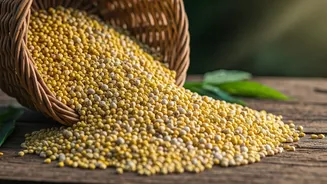
An Ancient Grain's Big Comeback
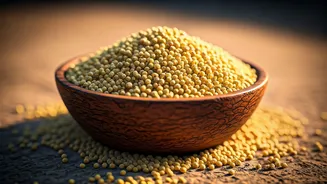
If you’ve noticed millet popping up on cafe menus or in the grain aisle next to the quinoa, you’re not imagining things. This isn't just a fleeting foodie trend; it's a coordinated global effort. The United Nations even designated 2023 the “International
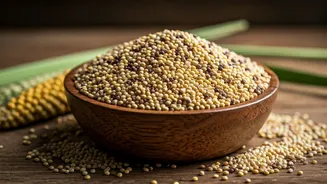
Year of Millets,” aiming to spotlight a food source that has nourished civilizations for millennia but has been largely overlooked in the modern American diet. Long a staple in parts of Africa and Asia, millet is now being championed by chefs, nutritionists, and environmental advocates as a powerful tool in our quest for a more sustainable food system. It’s a comeback story for a grain that never really left, but is now being seen in a crucial new light.
The Climate-Friendly Credentials
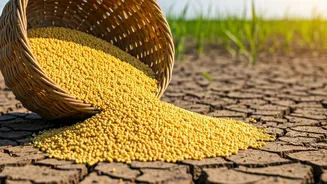
So, what makes millet the hero of climate-conscious eating? It comes down to resilience. While major crops like wheat, corn, and rice demand specific growing conditions and enormous amounts of water, millets are agricultural superstars of hardship. They are a group of small-seeded grasses that are naturally drought-resistant and can thrive in hot, arid climates and on marginal land where other crops would fail. This means they require significantly less water and fewer chemical inputs like fertilizers and pesticides. In an era of unpredictable weather patterns and increasing water scarcity, cultivating millet is less a matter of farming and more a matter of smart, forward-thinking resource management. Its lower carbon footprint compared to heavily irrigated and fertilized crops makes it a clear winner for the planet.
Not Just for the Birds
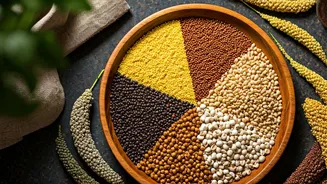
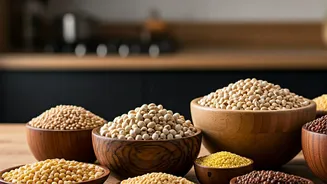
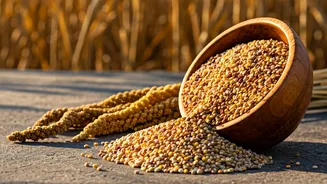
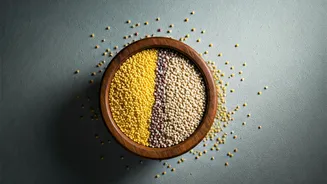
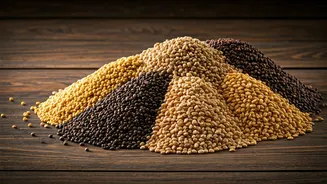
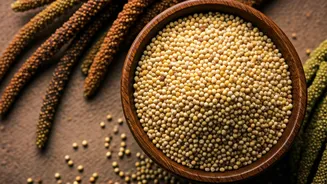
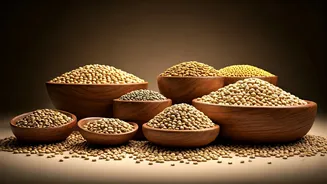
Let’s address the elephant in the room: for many Americans, the only association with millet is birdseed. While it’s true that birds enjoy it, dismissing it as such is like calling grapes “only for wine.” Millets are a nutritional powerhouse for humans, too. Naturally gluten-free, they are a great alternative for those with celiac disease or gluten sensitivity. They’re also packed with protein, fiber, and essential minerals like magnesium and iron. Unlike refined grains that can cause blood sugar spikes, millets have a low glycemic index, making them beneficial for managing blood sugar levels. From the fluffy texture of foxtail millet to the heartier feel of pearl millet, there's a variety to suit nearly any culinary need, offering a wholesome upgrade from more processed carbohydrates.
How to Bring Millet to Your Kitchen
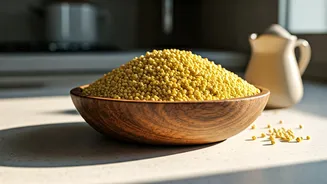
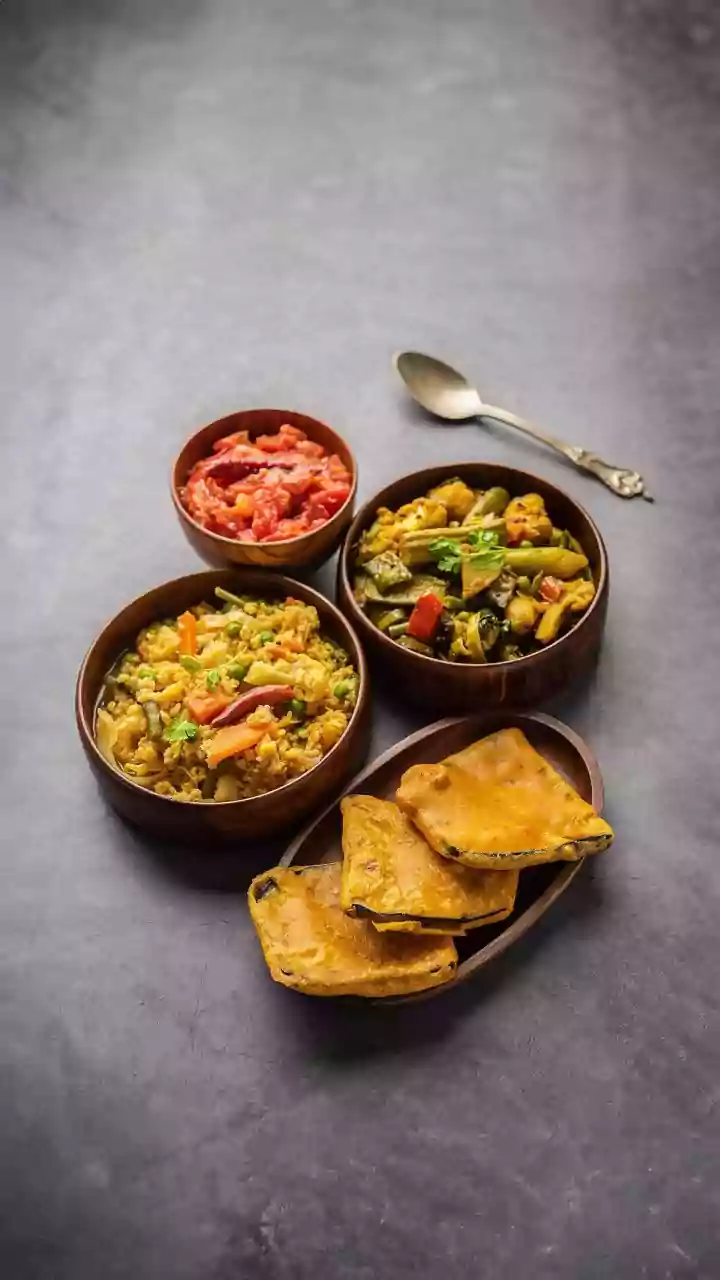
The best part about millet’s resurgence is its incredible versatility. It has a mild, slightly nutty flavor that allows it to adapt to almost any dish. You can cook it into a creamy porridge for breakfast, similar to oatmeal but with a different texture. It can be prepared fluffy like rice or quinoa to serve as a base for stir-fries, curries, or grain bowls. Millet flour is becoming increasingly popular for gluten-free baking, producing everything from rustic breads to pancakes. You can also pop it like corn for a light, crunchy snack. Innovative food companies are already rolling out millet-based products, including pastas, crackers, and even plant-based milks. Getting started is as simple as swapping it in for another grain in a familiar recipe and discovering its subtle, satisfying contribution to your meal.