




From Daily Ritual to Destination
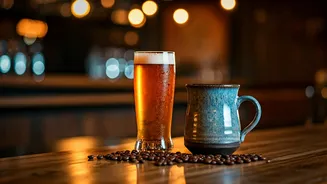
For decades, trying a local coffee or beer was a pleasant footnote in a travel diary—a simple, enjoyable part of experiencing a new place. Today, that footnote has become the headline. Welcome to the era of beverage tourism, where the quest for the perfect
pour isn't just an activity; it's the entire reason for the trip. Travelers are no longer content to stumble upon a good café in Rome or a decent brewery in Denver. They are booking flights to Colombia to walk among coffee plants, planning road trips along Vermont’s craft beer trail, and designing city breaks in Portland around a meticulously curated map of third-wave roasters. This isn't just about consumption. It's a fundamental shift from passive sightseeing to active, sensory-driven exploration. The drink is the destination, the guide, and the ultimate souvenir, offering a direct taste of a region’s terroir, culture, and craftsmanship.
A Thirst for Authenticity and Connection
So, what's driving this movement? It’s part of a broader hunger for authenticity that has reshaped modern travel. In a world of over-tourism and Instagram-filtered reality, travelers are craving genuine connection. Following a beverage from its source to your cup provides just that. A tour of a Kona coffee farm in Hawaii isn't just about tasting coffee; it's about understanding the volcanic soil, the delicate harvesting process, and the family that has worked the land for generations. Similarly, spending an afternoon at a small-batch brewery in Asheville, North Carolina, means talking to the brewer, learning about their passion for hops, and understanding the local water's role in the final product. These experiences are tangible, educational, and deeply personal. They engage all the senses and create memories that are far more lasting than a photo in front of a crowded landmark. It’s a way to connect not just with a product, but with the people and the place that created it.
The Rise of Curated Liquid Itineraries
This trend isn't just happening organically; it's being actively cultivated by destinations and entrepreneurs. Cities known for their craft scenes now offer official 'trails' and 'passports' to guide visitors. The Bend Ale Trail in Oregon, for example, is a masterclass in beverage tourism, turning the city into a playground for beer lovers with maps, prizes, and a well-organized system of breweries. In the coffee world, tour companies are now offering multi-day 'origin trips' to countries like Ethiopia and Costa Rica, providing an immersive education in everything from bean varietals to roasting techniques. This structured approach makes the trend accessible to everyone, from the casual enthusiast to the die-hard aficionado. It transforms a niche interest into a viable, mainstream travel model that offers economic benefits to local farmers, brewers, and communities, encouraging a more sustainable and distributed form of tourism.
Beyond Just Coffee and Beer
While coffee and beer are the undisputed champions of this movement, the principle extends across the beverage spectrum. The Kentucky Bourbon Trail has been a pilgrimage site for whiskey lovers for years, offering a rich dive into American history and distillation. In regions like Japan, intricate tea tours guide visitors through serene plantations and ancient tea ceremonies, offering a meditative and cultural experience. Natural wine bars from Paris to Los Angeles have become destinations in their own right, with travelers seeking out vintners who practice organic and biodynamic farming. Even the craft cocktail scene has its own gravitational pull, with cocktail connoisseurs planning trips to visit world-renowned bars and learn from master mixologists. The common thread is a celebration of craft, place, and passion, proving that any beverage made with care can become a compelling reason to pack your bags and explore.