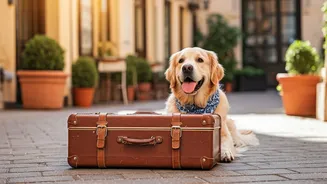







1. Start With Your Dog's 'Travel Profile'
Before you even open a map, consider your dog’s personality and physical abilities. This is the heart of letting your pup 'choose' the destination. Is your dog a senior Corgi who loves short, leisurely strolls and long naps in a comfortable bed? A bustling
city trip with a luxe hotel room might be perfect. Or do you have a high-energy Border Collie who lives for adventure? A mountain cabin near miles of hiking trails is a better bet. A shy or anxious dog won't enjoy crowded boardwalks, while a social butterfly might love a city with plenty of dog-friendly cafe patios. Be honest about what your dog genuinely enjoys, not just what looks good on Instagram. This single step will narrow your options from overwhelming to manageable and ensure the trip is fun for everyone.
2. Look for Genuinely Dog-Welcoming Destinations
There’s a world of difference between “pets allowed” and “pets welcome.” The first often means your dog is tolerated with a list of restrictions, while the second means the destination actively caters to them. Cities like Austin, Texas, and San Diego, California, are famous for their dog-friendly culture, with countless restaurant patios, off-leash parks, and even dog-friendly beaches. Many national parks have also embraced canine visitors through their 'B.A.R.K. Ranger' programs, which outline how to responsibly enjoy trails and public spaces. For a more relaxed vibe, consider destinations known for outdoor access, like the Finger Lakes in New York for lakeside walks and winery visits, or coastal towns in Oregon where dogs can run free on the sand.
3. Find Accommodations That Spoil Your Pup
The hospitality industry has caught on to the lucrative pet travel market. Forget the days of finding a dingy motel on the edge of town. Major hotel chains now compete for your pet's affection. Kimpton Hotels were pioneers, famous for their no-fee, no-size-restriction policy and amenities like plush dog beds, water bowls, and even a 'Director of Pet Relations' at some locations. Hilton's portfolio includes several pet-friendly brands like Canopy and Homewood Suites, often providing treats and waste bags at check-in. When using rental sites like Vrbo or Airbnb, use the “pets allowed” filter, but also read the fine print. Look for properties with fenced-in yards, easy-to-clean floors, and reviews from other pet owners to ensure it’s a truly stress-free stay.
4. Plan Pup-Centric Activities
The best dog-friendly vacations are built around shared experiences. Once you have a destination, build an itinerary you can enjoy together. If you're near the water, look for dog-friendly kayak or paddleboard rentals. Many breweries and wineries with outdoor seating welcome well-behaved dogs, creating a relaxed social outing for you and a stimulating environment for them. In urban areas, search for 'yappy hours' or dog-centric events. Even simple activities like finding a new hiking trail or visiting a massive, well-maintained dog park can be the highlight of a trip. The goal is to avoid a scenario where your dog is left alone in an unfamiliar hotel room for hours while you go have all the fun.
5. Master the Logistics of Travel
How you get there is just as important as where you’re going. For most, car travel is the least stressful option for pets. You can stop when needed, pack all their favorite comforts, and avoid the noise and confinement of an airport. Invest in a comfortable, safe car restraint like a crate, harness, or seat barrier. If you must fly, the rules are complex and vary wildly by airline. Most carriers only allow small dogs in the cabin for a fee (typically $100-$125 each way), and reservations for these limited spots must be made well in advance. Cargo travel for larger dogs can be risky and stressful, especially in extreme temperatures. Unless absolutely necessary, choosing a destination within driving distance is often the kindest choice for your canine co-pilot.