





Decoding 'Complete and Balanced'
Walk down any pet food aisle, and you’ll see the phrase “complete and balanced” on countless bags and cans. This isn’t just marketing jargon; it’s a regulatory standard with significant meaning for your pet’s health. In the U.S., foods making this claim
typically meet the nutritional profiles established by the Association of American Feed Control Officials (AAFCO). These guidelines are meticulously designed by veterinary nutritionists to ensure a food contains the full spectrum of nutrients—vitamins, minerals, proteins, fats, and carbohydrates—that a healthy animal needs for a specific life stage (like puppy/kitten, adult, or senior). When you choose a food that meets these standards from a reputable brand, you’re not just buying kibble; you’re providing a scientifically formulated meal that is designed, by itself, to sustain your pet without any extra additions.
The Supplement Aisle Seduction
If quality food has it all, why are shelves overflowing with supplements? The simple answer is marketing. Pet owners want the best for their companions, creating a booming, multi-billion dollar market for products that promise an extra edge. These supplements often contain synthetic versions of vitamins and minerals, such as chemically produced Vitamin C (ascorbic acid) or Vitamin E (dl-alpha-tocopherol acetate), along with fillers, binders, and artificial flavors to make them palatable. While not inherently harmful in proper doses, the core issue is redundancy. For a healthy pet on a complete diet, you’re often paying for expensive nutrients that their body will simply excrete because it already has enough. It’s like taking a daily multivitamin when you already eat a perfectly balanced diet—your body just doesn't need the excess.
How Real Food Delivers
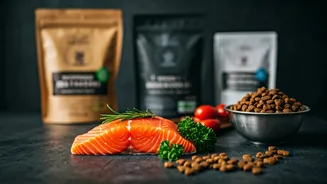
High-quality pet food doesn’t just meet a chemical checklist; it delivers nutrients in their natural, bioavailable forms. Instead of a synthetic omega-3 capsule, a diet rich in fish or flaxseed provides those fatty acids as part of a whole food matrix, which can improve absorption and utilization. Instead of an isolated antioxidant powder, ingredients like blueberries, spinach, and carrots in a pet’s food offer a complex blend of phytonutrients that work together synergistically. Glucosamine and chondroitin, popular for joint health, are naturally present in ingredients like chicken meal or fish meal. By focusing on a diet with high-quality, recognizable ingredients, you’re giving your pet these essential compounds the way nature intended, integrated with fiber and other elements that support overall digestive health and nutrient absorption.
When Supplements Are Actually The Answer
This isn't to say all supplements are useless. There are specific, medically-justified situations where they are crucial. A veterinarian might prescribe a supplement for a pet with a diagnosed deficiency or a chronic health condition. For example, a dog with advanced arthritis may genuinely benefit from a high-potency joint supplement that provides more glucosamine than their diet alone. A pet with digestive issues might need a specific probiotic to restore gut health after a course of antibiotics. Pets on restricted or home-cooked diets absolutely require careful supplementation to avoid dangerous nutritional gaps. The key distinction is purpose. Supplements should be used therapeutically to address a specific problem under veterinary guidance, not as a “just-in-case” blanket added to an already complete diet.