

Moving Past the Monolith
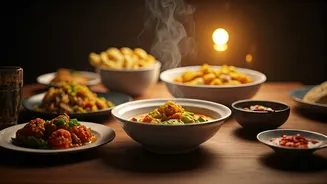
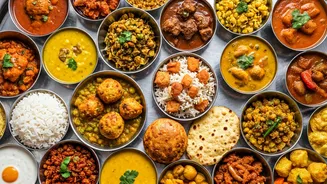
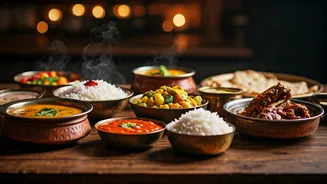
For decades, the American perception of South Asian food was largely confined to a handful of North Indian and Punjabi dishes, often served in an all-you-can-eat buffet format. While beloved, this model flattened the immense diversity of a subcontinent
into a predictable menu of chicken tikka masala, saag paneer, and naan. It was delicious, accessible, and affordable, but it rarely showcased the regional specificity, delicate techniques, or ingredient-driven philosophy at the heart of authentic Desi cooking. That era, however, is definitively ending. A culinary renaissance is underway, led by visionary chefs who are demanding that the food of their heritage be seen, and tasted, on its own complex terms.
The New Guard of Innovators
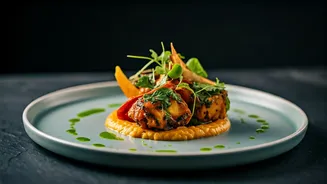
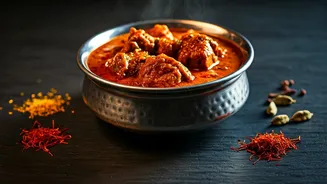
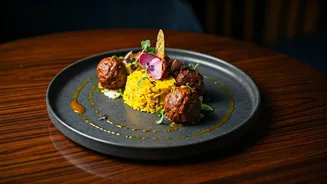
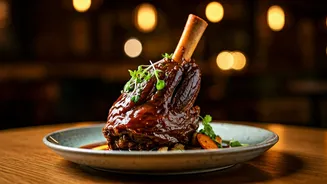
Across the country, a new guard is challenging old assumptions. Chefs like Chintan Pandya of New York's Dhamaka and Semma, and Sujan Sarkar of Chicago's Indienne, are at the forefront of this movement. They aren't just cooking; they are acting as culinary archivists and storytellers. Their restaurants are not about fusion in the old sense of the word, but about focus. Pandya, for instance, has earned Michelin stars and James Beard Awards by zeroing in on the forgotten, un-glamorous, or hyper-regional dishes of India—the kind of food you’d find in a specific village or a home kitchen, but rarely in a restaurant. They are applying fine-dining techniques not to westernize dishes, but to intensify their inherent character. A simple goat curry is slow-cooked for hours to achieve unparalleled tenderness; a humble lentil dish is presented with a clarity of flavor that feels revelatory.
Deconstructing the Classics
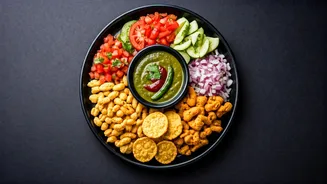
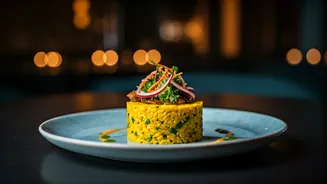
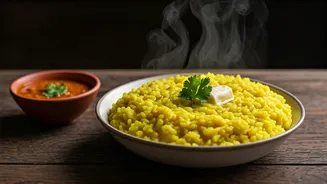
The “makeover” isn’t about abandoning tradition but about interrogating it. What makes a biryani a biryani? How can the experience of eating chaat, a street food snack, be translated to a fine-dining setting without losing its soul? These are the questions driving the new menus. You might find a deconstructed samosa, with the spiced potato filling piped into a delicate pastry cone, or pani puri (gol gappa) where the spiced water is served in a separate vial for the diner to inject. These aren't just gimmicks; they are thoughtful re-examinations of texture, temperature, and presentation. By breaking a dish down into its essential components, these chefs allow diners to appreciate the complexity of flavors—the tang of tamarind, the heat of chili, the freshness of mint—in a new and deliberate way. They are using high-quality, local American produce to express ancient flavor profiles, proving that the spirit of Desi food can thrive anywhere.
A Story on Every Plate
Ultimately, this movement is about more than just food. It’s a powerful statement of cultural confidence. For years, immigrant cuisines were often expected to assimilate—to become sweeter, milder, and cheaper to appeal to a mainstream American palate. This new wave rejects that notion entirely. It proudly presents dishes that are unapologetically spicy, funky, and complex. Menus dive deep into the specific cuisines of Goa, Tamil Nadu, Bengal, or Pakistan, educating diners that “Indian food” is not a monolith. This shift reflects a broader change in the U.S., where second and third-generation immigrants are exploring their heritage with newfound pride and are eager to share its richness in an authentic, high-quality format. They are creating spaces where a $200 tasting menu of regional Indian food feels not just possible, but essential.