




The Paradise You've Never Heard Of
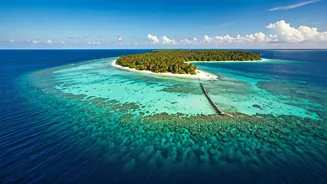
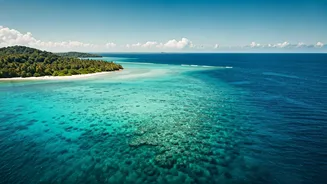
First, let’s get our bearings. Lakshadweep, which means “one hundred thousand islands” in Sanskrit, is India’s smallest union territory, a string of coral atolls scattered in the Laccadive Sea, southwest of the mainland. Until recently, it was a destination
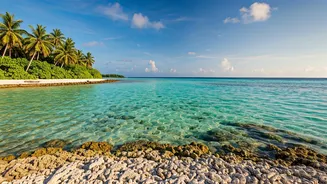
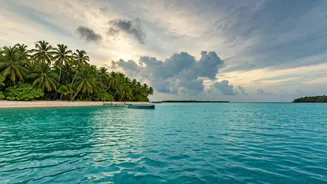
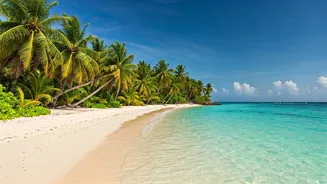
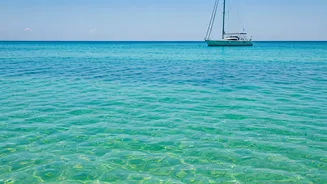
known mostly to intrepid divers and Indians seeking a domestic alternative to the Maldives or Andaman Islands. Think of it as the Caribbean of the Arabian Sea, but with a fraction of the crowds and a unique cultural blend of Malayali and Arab influences. The main draw is what lies beneath the crystal-clear water: vibrant coral reefs teeming with marine life, making it a world-class destination for snorkeling and scuba diving. On land, life moves at a slower pace, dictated by the rhythm of coconut palms swaying in the sea breeze and the call to prayer from local mosques.
So, Why the Sudden Buzz?
For decades, Lakshadweep remained a beautiful but sleepy footnote in global travel. That changed almost overnight in early 2024. When Indian Prime Minister Narendra Modi visited and posted breathtaking photos of himself snorkeling and relaxing on the islands, it was framed as a promotion of domestic tourism. Online, however, it was interpreted by many as a subtle challenge to the nearby Maldives, a traditional go-to for Indian tourists that was experiencing diplomatic friction with New Delhi. The ensuing social media storm, pitting one island paradise against the other, propelled Lakshadweep from relative obscurity into the international spotlight. Google searches for the islands skyrocketed, and suddenly, a destination that required special permits and careful planning was on every adventurer’s lips.
The Reality of a Fragile Eden
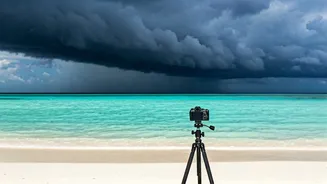
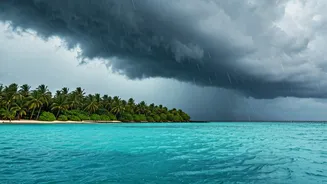
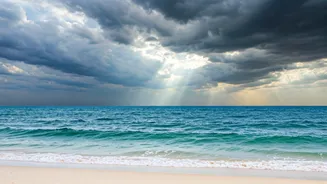
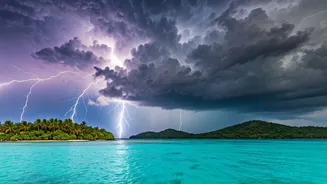
Here’s the catch mentioned in the headline. The term “weather-sensitive” is a gentle way of saying Lakshadweep is on the front lines of the climate crisis. The highest point in the entire archipelago is only about 13 feet above sea level. This makes the islands exceptionally vulnerable to rising sea levels, which threaten to submerge entire landmasses within decades. The very coral reefs that make the islands so enchanting are also their first line of defense against storm surges, but they are under immense threat from rising ocean temperatures, which cause catastrophic coral bleaching events. A more volatile climate also means more intense monsoon seasons and a higher risk of cyclones, which can devastate the low-lying islands and their infrastructure. This isn't a distant problem; it’s an existential threat playing out in real-time.
Planning a Conscious Trip
Despite its fragility—or perhaps because of a desire to see it before it changes forever—the temptation for travelers remains strong. But visiting Lakshadweep isn’t as simple as booking a flight to Miami. To protect the delicate ecosystem and respect the local culture, India has a strict permit system in place for all tourists, both domestic and foreign. Flights are limited, and accommodation is concentrated on a handful of islands like Bangaram, Agatti, and Kavaratti. The tourist season is short and sharp, running from roughly October to mid-May. Outside of this window, the fierce southwest monsoon makes travel difficult, if not impossible. A trip here requires planning, patience, and a commitment to responsible tourism—choosing eco-friendly operators, respecting local customs, and understanding that your footprint matters profoundly in a place this delicate.