


The Rise of the Rainy Day Aesthetic
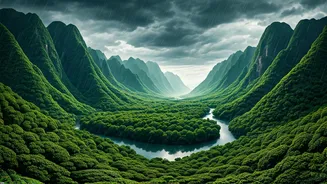
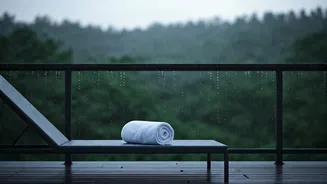
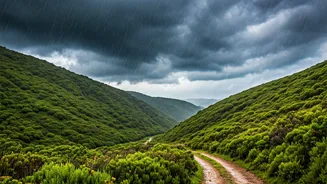
Scroll through certain corners of Instagram or TikTok, and you’ll see it: a windowpane streaked with rain, a steaming cup of tea in hand, and a view of misty, emerald-green hills outside. It’s not a dreary day to be avoided; it’s the entire point. This
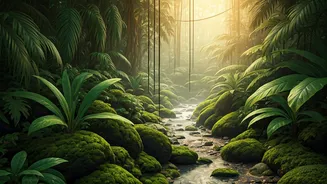
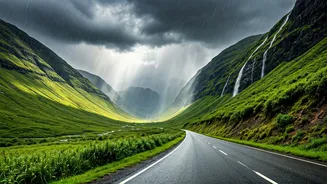
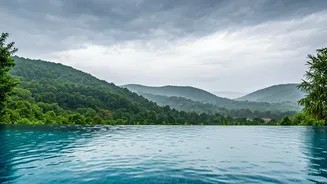
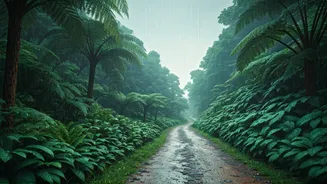
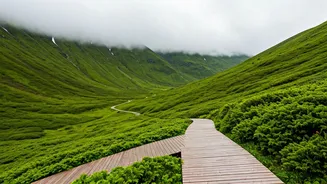
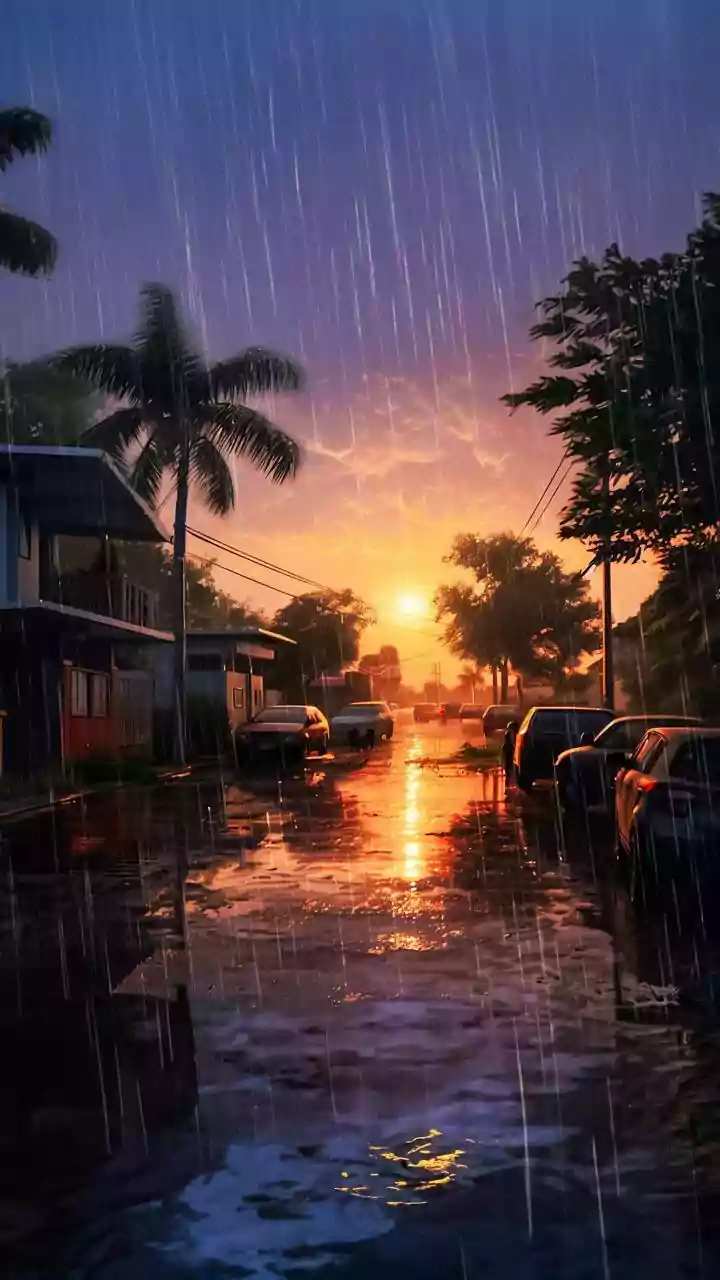
is the new face of vacationing, where the off-season has become the only season that matters for a certain type of traveler. Monsoon travel, particularly in destinations like India, Thailand, and even the moody Pacific Northwest, is being framed not as an inconvenience but as an experience. The appeal is deeply atmospheric. It’s about trading crowded, sun-bleached beaches for glistening, empty streets. It’s about the sound of a downpour on a tin roof, the smell of damp earth, and the feeling of being the main character in an indie film. The goal isn’t a tan; it’s a mood.
From Nuisance to Narrative
For decades, the global travel industry operated on a simple solar principle: follow the sun. Rainy seasons were for locals and budget backpackers, a period of discounted rooms and deserted attractions. Today, that logic is being flipped. The shift is driven by a desire for authenticity and a rejection of the over-touristed, cookie-cutter vacation. In a world where everyone has been to the same infinity pool, a trip into the heart of a monsoon feels unique and story-worthy. Social media is the primary engine for this transformation. The ‘cinematic’ label is key. A video of a torrential downpour over a rice paddy isn't just weather; it's a tracking shot. A quiet moment reading in a cafe while storms rage outside isn't boredom; it’s a poignant scene. This aesthetic rewards introspection, coziness (a phenomenon related to the Danish concept of ‘hygge’), and a sense of dramatic, beautiful melancholy. It provides a ready-made narrative that feels more profound than another picture-perfect sunset.
The Marketing of Mood
The travel industry, ever adaptable, has been quick to capitalize on this burgeoning demand for drama. Boutique hotels and luxury resorts in monsoon-prone regions now market the season as their premier offering. They advertise “monsoon getaway” packages complete with libraries, fireplaces, and special menus featuring hot, comforting foods. Instead of snorkeling, they offer bird-watching in lush, rejuvenated forests or Ayurvedic spa treatments designed to be enjoyed while listening to the rain. Destinations themselves are leaning in. Kerala, India, has long promoted its vibrant monsoon, branding it as a time of romance and renewal. The message is clear: the rain isn’t a bug; it’s a feature. They are selling an emotion, a chance to disconnect from the frantic pace of modern life and reconnect with a more elemental, atmospheric version of nature. It’s a brilliant pivot from selling a place to selling a feeling.
Reality Check in the Rain
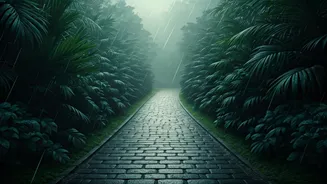
Of course, the cinematic edit often leaves a few things on the cutting room floor. The romanticized version of monsoon travel rarely includes the less-than-glamorous realities. For every beautiful shot of rain-washed cobblestones, there's the potential for flash floods, landslides, and impassable roads that can derail travel plans entirely. The aesthetic glosses over the oppressive humidity, the relentless mosquitos, and the simple, soggy frustration of being perpetually damp. Furthermore, for the millions of people who live in these regions, the monsoon is not an aesthetic choice but a powerful, often dangerous force of nature that dictates daily life, agriculture, and safety. The curated “cinema” enjoyed by a visitor is a privilege, a temporary immersion in a reality that is permanent, and sometimes perilous, for residents. Enjoying the moody visuals is one thing; ignoring the context is another.