



1. It's a Forced Digital Detox
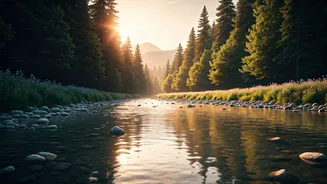
On many of America’s most beautiful river canyons and remote waterways, a strong cell signal is the last thing you’ll find. While initially jarring for some, this enforced disconnect is the very core of the reset experience. Without the constant ping
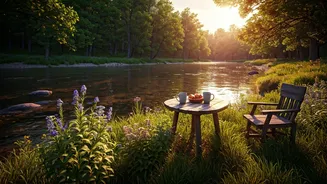
of notifications, the pressure to post the perfect photo, or the endless scroll of a newsfeed, your brain is finally given permission to power down. The first day might feel strange, but by day two, you’ll notice a shift. Conversations become deeper, your senses sharpen to the sounds of lapping water and birdsong, and the only 'feed' you’re concerned with is the one happening around the campfire. This isn't just 'turning off your phone'; it's entering an environment where digital noise simply can't follow you.
2. You Embrace a Slower Pace of Life
Modern life operates at breakneck speed. A river trip, by its very nature, forces you to slow down. Your schedule is dictated not by a calendar app, but by the sun, the current, and the rhythm of the group. Days are spent drifting, paddling, and watching the landscape unfold at a leisurely pace. The most pressing decision might be whether to swim now or at the next sandbar. This 'slow travel' philosophy is a powerful antidote to burnout. It recalibrates your internal clock, reminding you that there is value in stillness and observation. You're not rushing from one attraction to the next; the journey itself is the main event, allowing for a deeper, more mindful connection with your surroundings.
3. Adventure is Accessible to Everyone
The term 'river trip' might conjure images of intense, Class V whitewater rapids, but the reality is far more diverse. The modern river reset can be whatever you need it to be. It could be a lazy afternoon float on an inner tube down a gentle, meandering stream like the Shenandoah in Virginia. It might be a multi-day guided canoe trip through the serene Boundary Waters of Minnesota, or a comfortable journey on a small riverboat exploring the history of the Mississippi. You can opt for a guided rafting trip where experienced oarsmen handle the navigation, allowing you to simply soak in the epic scenery of the Grand Canyon. From a few hours to a few weeks, and from paddle-powered to fully catered, there is a river experience for nearly every fitness level and comfort preference.
4. Nature Offers a New Perspective
Viewing the world from the water level is a fundamentally different experience. You are immersed in the landscape, not just looking at it from a scenic overlook. From a kayak or raft, you can silently glide past a doe drinking at the water’s edge, watch a bald eagle soar from a cliffside nest, or feel the cool mist of a hidden waterfall. These intimate encounters with the natural world are grounding and awe-inspiring. In a world of concrete and screens, being surrounded by the raw, unedited beauty of a river canyon or a forested shoreline provides a profound sense of perspective. It’s a humbling reminder of a world that exists beyond our daily routines, offering a mental and spiritual refresh that no spa day can replicate.
5. It Fosters Genuine Connection
Whether you’re traveling with family, friends, or a group of strangers on a guided tour, a river trip builds bonds. The shared experience of navigating a small rapid, preparing a meal together on a sandbar, or sharing stories around a crackling fire strips away the usual social barriers. Away from the distractions of everyday life, you connect on a more human level. These trips create a temporary, self-reliant community where teamwork and camaraderie are essential. The memories forged during these moments of shared adventure and quiet contemplation are often the most lasting souvenirs, reinforcing relationships in a way that a conventional resort vacation rarely can.