


First, Understand the Scene
Forget what you know about the one or two types of mangoes in your local supermarket. The Delhi International Mango Festival, typically held at the sprawling, craft-filled Dilli Haat, is a sensory overload in the best possible way. Imagine hundreds of vendors,
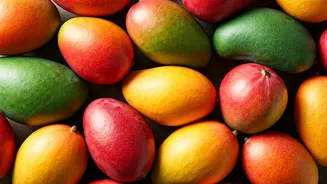
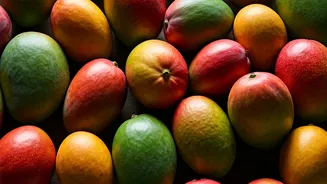
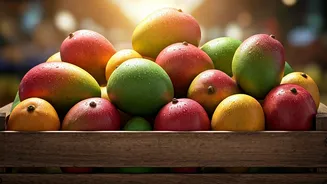
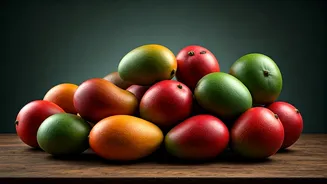
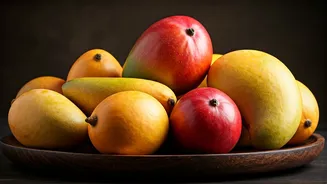
each stall piled high with pyramids of fruit in shades of gold, saffron, green, and blushing red. The air hums with the chatter of vendors, the excitement of families, and the singular, intoxicating perfume of ripe mangoes. This isn't just about shopping; it's about tasting, discovering, and paying homage to a fruit that defines Indian summer. The sheer variety can be overwhelming, so having a game plan is key.
Start with the King: Alphonso
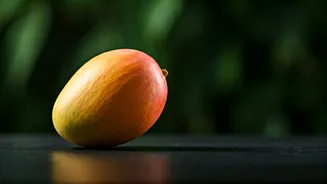
You can't go to a mango festival and not start with the 'Hapus,' or Alphonso. Hailing from the western coasts of India, this is the mango that commands international respect—and a premium price. It’s not large, but its saffron-colored flesh is a revelation: completely fiberless, buttery, and intensely sweet with complex, almost floral notes. It dissolves on your tongue. Don’t be fooled by imposters; a true Alphonso has a distinct aroma you can smell from feet away. This is your benchmark, the gold standard against which all other mangoes will be judged. Taste it plain, unadorned, to truly understand its royal status.
Move to the Perfumed One: Dasheri
After the richness of the Alphonso, the Dasheri is a fragrant delight. Originating from near Lucknow in North India, this is a more elongated, yellow-green mango known for its powerful, sweet aroma. The pulp is fiberless and melts in your mouth, delivering a clean, honeyed sweetness that’s less overpoweringly rich than the Alphonso. It’s the kind of mango you can eat several of in one sitting. Locals love it for making 'aamras,' a simple, divine mango pulp often eaten with puri (puffy fried bread). Ask a vendor to slice one for you and inhale deeply before you take a bite; the fragrance is half the experience.
Experience the Tang: Langra
If your palate needs a break from pure sweetness, seek out the Langra. This variety, primarily from Varanasi, remains greenish even when ripe and is famous for a unique, fibrous texture and a tangy kick that beautifully balances its sweetness. The name, which translates to “lame,” is rumored to come from the farmer who first cultivated it. The Langra has a fiercely loyal following among those who prefer a more complex flavor profile. It has a slightly acidic finish that cuts through the sugar, making it incredibly refreshing on a hot Delhi day. This is the connoisseur's choice, a mango with personality.
Discover the Latecomer: Chausa
Appearing towards the end of the mango season, the Chausa is the grand finale. Known for its incredibly sweet, bright yellow pulp and minimal fiber, this is often considered the best sucking mango. Traditionally, you don’t slice a Chausa; you gently knead the fruit until the pulp liquefies inside, snip off the top, and drink the nectar straight from the skin. It’s a messy, glorious, and quintessentially Indian way to enjoy a mango. The flavor is pure, unadulterated sugar with a bright, citrusy undertone. It’s the perfect way to end your tasting journey, a final burst of pure summer sweetness.
Don't Forget the Products
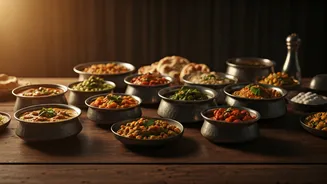
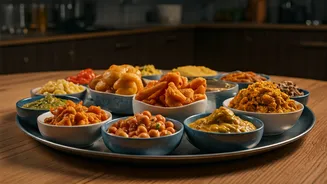
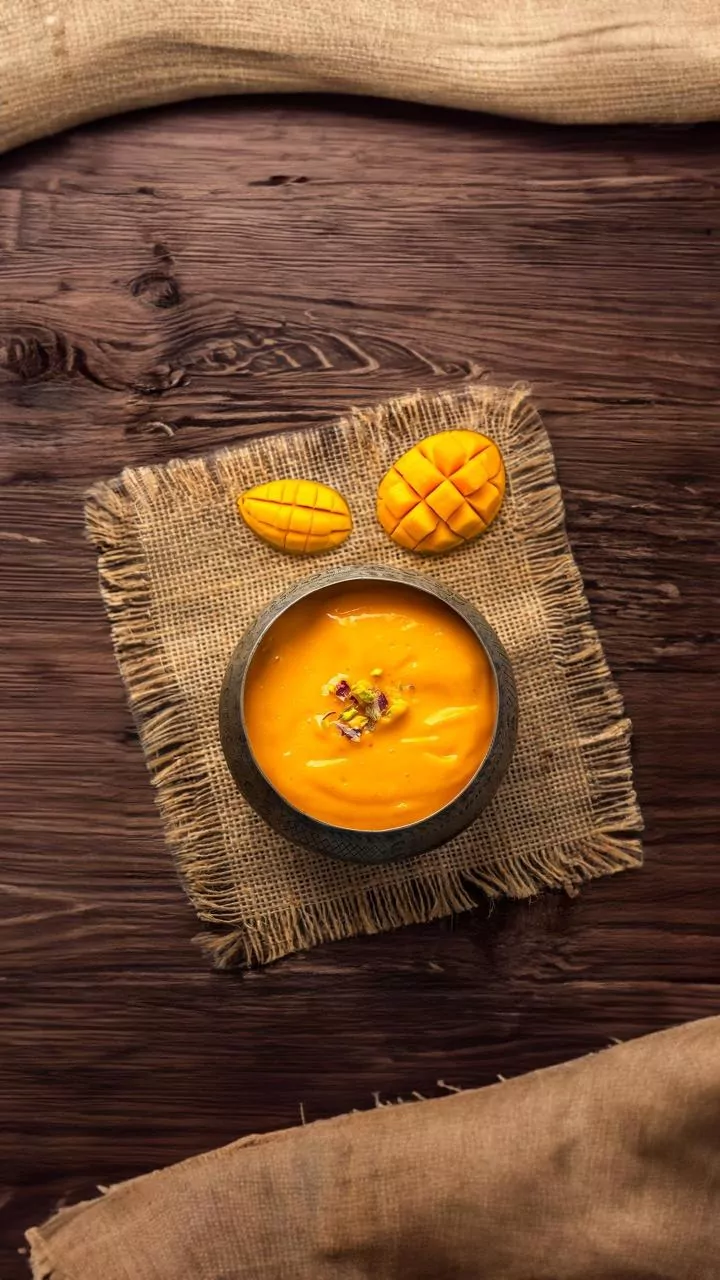
While the fresh fruit is the star, the festival is also a showcase for mango ingenuity. Look for stalls selling mango pickles (both sweet and spicy), 'aam papad' (leathery fruit roll-ups that concentrate the flavor), mango chutneys, and even mango-based desserts and drinks like kulfi (ice cream) and lassi (yogurt drink). These products are a fantastic way to take the taste of the festival home with you. Trying a fiery mango pickle or a sweet, chewy piece of aam papad gives you a whole new appreciation for the fruit’s versatility.