




An Oasis in the Concrete Jungle
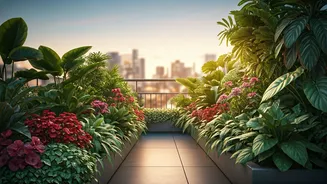
Forget a few potted plants on a windowsill. This trend is about sophisticated, meticulously designed green spaces that function as both personal sanctuaries and private organic markets. In cities like Bengaluru, Mumbai, and Delhi—India's major metropolitan
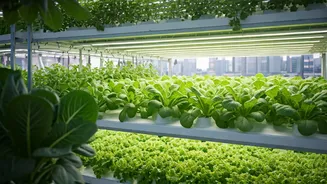
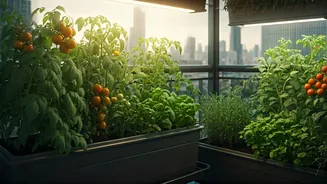
corridors—rooftops and balconies are being transformed into miniature farms. These aren't just patches of grass; they are curated ecosystems featuring heirloom tomatoes, exotic lettuces, vibrant herbs, and flowering vines, often maintained with advanced techniques like hydroponics and automated drip irrigation. It represents a deliberate effort to reclaim a patch of nature in some of the world's most densely populated urban environments, creating a stark, verdant contrast to the steel and glass towers they sit upon.
From Luxury Cars to Organic Kale
For a certain segment of India's affluent urbanites, the ultimate luxury is no longer a European sports car or a designer handbag, but a basket of freshly picked, pesticide-free produce from their own terrace. This shift reflects a global conversation around wellness and conscious consumption, tailored to an Indian context. Widespread concerns about the pesticides and chemical ripening agents used in commercially available produce have fueled a desire for food transparency. For this elite class, growing their own food is the ultimate quality control. It's a tangible, edible expression of a health-conscious, globally-aware lifestyle, and it has become a subtle but potent status symbol to be shared on social media and with guests.
The Drivers of the Green Rush
Several factors are converging to fuel this green-thumbed movement. Beyond the quest for clean eating, there is a profound psychological need for a retreat. The relentless pace and pollution of city life in India have made the idea of a private, serene green space immensely appealing. These gardens are sanctuaries for quiet reflection, family activities, and hosting friends, offering a mental escape that a gym or spa cannot. Furthermore, the pandemic accelerated this trend, as lockdowns confined people to their homes and highlighted the fragility of supply chains. The ability to step onto a balcony and harvest a salad became not just a convenience, but a form of resilience and self-sufficiency.
An Industry Sprouts Up
Where there's demand, a market follows. A cottage industry of 'urban gardening consultants' and specialized landscaping startups has emerged to cater to this clientele. These companies offer turnkey solutions for the busy professional, from designing and installing the garden to providing ongoing maintenance, seeds, and organic pest control. They promise to transform any available space—no matter how small—into a productive food garden. This professionalization has made terrace gardening accessible even to those with no time or horticultural knowledge, further cementing its place as a lifestyle accessory rather than just a hobby. It's gardening as a service, perfectly suited for a generation that values convenience as much as authenticity.