
More Than Just Flower Peeping
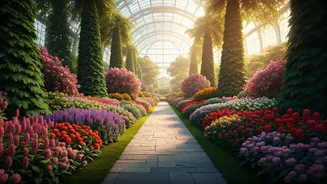
First, let's be clear: a bloom getaway is more than a spontaneous detour to a local botanical garden. This is destination travel meticulously planned around a fleeting, spectacular explosion of nature. We’re talking about booking flights months in advance
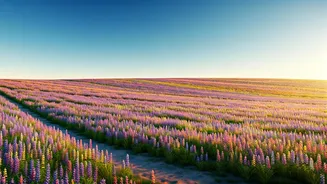
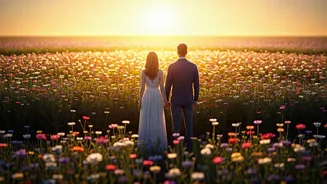
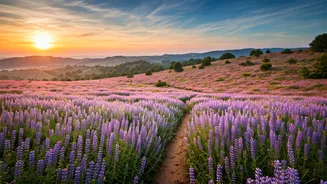
to catch the cherry blossoms at their peak in Washington, D.C., or driving for hours into the desert in the hope of witnessing a rare California “superbloom.” These trips are organized around a short, unpredictable window of natural beauty, turning the ephemeral into an event. From the rolling hills of Texas bluebonnets to the impossibly neat rows of tulips in Washington's Skagit Valley, the goal is total immersion in a landscape transformed by color. It’s a pilgrimage for the senses, where the main attraction is something that can’t be bottled, owned, or guaranteed.
A Post-Pandemic Correction
So, why is this happening now? In part, it’s a quiet rebellion against the travel norms of the last decade. Pre-2020, the dominant travel flex often involved chaotic music festivals, packed European cities, or adrenaline-fueled adventures. Post-pandemic, there’s a collective craving for something more restorative. After years spent indoors and online, the appeal of a tangible, awe-inspiring natural phenomenon is stronger than ever. A bloom getaway is the antithesis of a crowded, high-stress vacation. It demands patience and presence. You can’t rush a flower to bloom, and you can’t schedule a superbloom with the same certainty as a flight. This forced surrender to nature’s timetable is a form of mindfulness in itself—a welcome antidote to our hyper-optimized lives.
The Art of the Quiet Brag
This brings us to the “calm flex.” Unlike the loud luxury of designer logos or VIP nightclub access, the bloom getaway is a subtle, more sophisticated boast. It’s a flex of resources that aren't just monetary. To catch a peak bloom, you need flexibility in your schedule, the patience for planning, and the disposable time to travel for an event that might only last a week. The resulting photos on social media don't scream “I’m rich”; they whisper “I have a life that accommodates beauty and tranquility.” It signals an appreciation for things that are priceless but not free. In a world saturated with overt displays of wealth, the ability to witness and appreciate ephemeral beauty has become a new kind of cultural currency. It’s a status symbol rooted in experience and serenity, not consumption.
Curated for the 'Gram
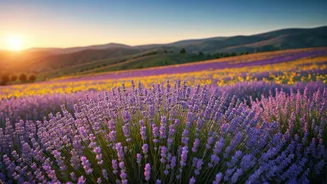
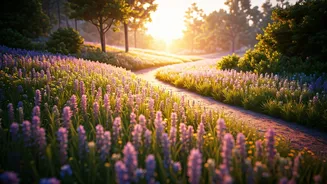
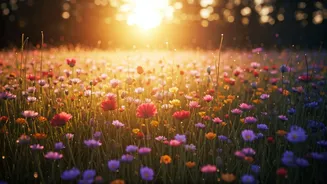
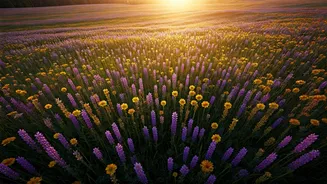
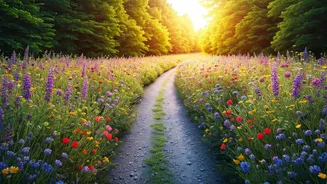
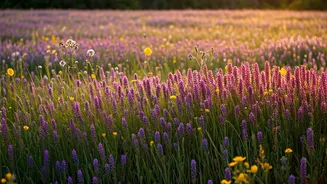
Of course, we can't ignore the visual appeal. Bloom getaways are tailor-made for the modern social media aesthetic. The vast, uniform fields of color—a hillside of golden poppies, an orchard of pink blossoms—create a perfect, almost surreal backdrop that requires no filter. It’s an effortless way to produce stunning visual content that feels both aspirational and wholesome. This trend fits neatly alongside the rise of #cottagecore, #quietluxury, and a general move toward a softer, more romantic online identity. Sharing a photo from a bloom getaway aligns you with a certain kind of taste: one that is elegant, in tune with the seasons, and seemingly unbothered by the noisy clamor of mainstream influencer culture. It’s a carefully curated glimpse into a life well-lived.
Where to Find the Flowers
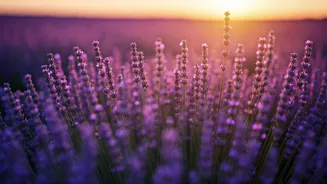
The appeal is also in its accessibility across the country. This isn't a trend limited to one exotic locale. In the United States alone, the calendar is full of potential bloom destinations. Spring brings the iconic National Cherry Blossom Festival to D.C. and the stunning wildflower carpets to Anza-Borrego Desert State Park in California. Early summer might lead you to the fragrant lavender fields of Oregon or the vibrant rhododendron gardens of the Blue Ridge Mountains. In Texas, the bluebonnet season is a cultural institution, drawing visitors to the Hill Country for that perfect family portrait. Each region offers its own unique spectacle, making the bloom getaway a recurring travel goal rather than a one-off trip.