





What Exactly Is a Café Walk?
Imagine using a city’s most creative, aesthetic, and unique coffee shops as your map. Instead of checking off landmarks, you’re hopping between three, four, or even five cafés in a single afternoon. This isn’t about a caffeine binge. In South Korea, particularly
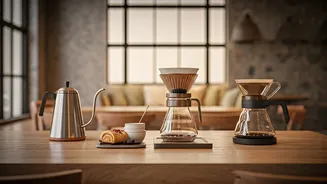
Seoul, cafés are not just places to grab a latte; they are destinations in themselves. Each one is a meticulously designed world, from minimalist art galleries and repurposed factories to whimsical fantasy lands and cozy traditional houses. A café walk is an urban exploration where the treasure isn't a historical artifact, but the discovery of a perfectly curated space. It's a way to experience the city's contemporary culture, design trends, and social pulse, one beautifully crafted beverage at a time.
Seongsu-dong: The Industrial-Chic Playground
Often called the “Brooklyn of Seoul,” Seongsu-dong is the epicenter of this trend. This former industrial district is now a sprawling campus of cool, where old shoe factories and warehouses have been reborn as cavernous, multi-story cafés. The appeal here is the raw, architectural aesthetic. Think exposed concrete, sprawling art installations, and on-site roasteries that feel more like science labs. A walk through Seongsu means stumbling upon places like Café Onion, famous for its rustic, unfinished look, or Daelim Changgo, a massive gallery-café hybrid. It’s the perfect place to start your journey, offering a dramatic sense of scale and a glimpse into how Seoulites are blending grit with high design.
Yeonnam-dong: The Whimsical and Youthful Maze
Just next to the bustling university area of Hongdae lies Yeonnam-dong, a quieter, more residential neighborhood with a labyrinth of charming alleyways. This is where the café walk gets quirky and personal. The cafés here are smaller, more intimate, and often wildly creative. One of the most famous, Greem Café, is designed to look like a 2D cartoon, making visitors feel like they’ve stepped into the pages of a comic book. Others might be themed around cuddly characters, feature live animals, or specialize in a single, absurdly photogenic dessert. A walk here feels like a treasure hunt for the weird and wonderful, showcasing the playful, youthful energy that powers Seoul’s creative scene.
Ikseon-dong: Where Tradition Meets Trend
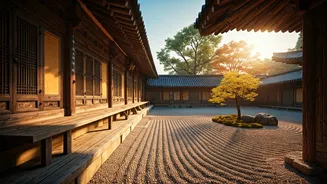
For a café walk that feels like time travel, head to Ikseon-dong. This neighborhood is one of Seoul’s last remaining *hanok* villages, comprised of traditional Korean courtyard houses. But hidden beneath the tiled roofs and behind the wooden lattice doors are some of the city's most popular cafés and restaurants. The magic of Ikseon-dong is the contrast: sipping a modern Dalgona coffee under the ancient wooden beams of a 100-year-old house. Glass ceilings are often installed over the central courtyards, creating sun-drenched atriums filled with plants and chic furniture. A café walk here is less about grand statements and more about discovering cozy, atmospheric nooks that beautifully merge Seoul's past and present.
Why It’s More Than Just Coffee
Ultimately, the rise of the café walk speaks to a shift in what we seek from travel. It’s a move away from passive observation toward active participation in a city’s living culture. These aren't just places for a drink; they are 'third spaces' where locals socialize, work, and express their creative identity. For a traveler, dedicating a day to this pursuit offers an unfiltered look into modern Korean life. You see what young people find beautiful, what design trends are taking root, and how the simple act of enjoying a beverage has been elevated into an art form. It’s an itinerary that engages all the senses and leaves you with a collection of memories far more personal than a photo of a palace.