






The Golden Ticket of Visa-Free Travel
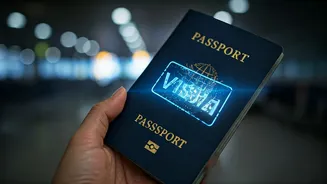
The single biggest catalyst behind the recent travel surge is brilliantly simple: no visa, no problem. In a strategic bid to capture the booming Indian outbound tourism market, both Thailand and Malaysia rolled out the red carpet by temporarily dropping
visa requirements for Indian citizens. Starting in late 2023, these visa-exemption schemes effectively removed the biggest administrative and psychological barrier to booking a spontaneous trip. Suddenly, a week in Phuket or a long weekend in Kuala Lumpur became as easy to plan as a domestic journey. The results were immediate and dramatic, with travel portals reporting booking spikes of over 40%. This policy wasn't just a convenience; it was a powerful message that Indian tourists were not just welcome, but actively courted.
Proximity, Price, and Practicality
Geography and economics form the bedrock of this travel love affair. For millions in Indian metros like Chennai, Kolkata, and Bangalore, Bangkok and Kuala Lumpur are closer than some parts of their own country. A flight of three to four hours puts them in a different world without the soul-crushing jet lag of a transatlantic journey. This proximity has fueled a boom in budget airline routes, making airfare fiercely competitive and remarkably affordable. Once on the ground, the value proposition continues. The Indian rupee stretches further in Thailand and Malaysia compared to Europe or the U.S., allowing for a higher quality vacation—better hotels, more activities, and guilt-free shopping—for a fraction of the cost. This combination of short travel times and low expenses makes these destinations accessible not just to the wealthy, but to India’s rapidly expanding middle class.
A Cultural Comfort Zone
Beyond logistics, there's a powerful cultural resonance that makes Indians feel at home. Malaysia, with its significant Indian-origin population, offers a seamless blend of the familiar and the new. Finding authentic South Indian food in Penang or seeing Hindu temples next to mosques and churches in Kuala Lumpur creates a sense of cultural comfort. Thailand, while culturally distinct, shares a deep-rooted history with India through the spread of Buddhist and Hindu philosophies, visible in its art, architecture, and traditions. English is widely spoken in tourist areas of both countries, and the general atmosphere is famously hospitable. This familiarity lowers the stress of international travel, making it an ideal first overseas trip for many Indian families and a reliable favorite for seasoned travelers.
More Than Just Beaches and Temples
While idyllic beaches and stunning temples are a huge draw, both Thailand and Malaysia have successfully diversified their offerings to cater to every type of Indian traveler. For families, there are world-class theme parks and safe, resort-style accommodations. For young adventurers, there’s scuba diving, jungle trekking, and vibrant nightlife. For the luxury segment, there are Michelin-starred restaurants and sprawling high-end shopping malls that rival any in the world. This strategic marketing ensures that the destinations don't feel one-note. Whether it's a foodie tour through the street stalls of Bangkok, exploring the historic architecture of Melaka, or attending a business conference, there's a reason for everyone to visit—and to keep coming back.