






Why the Clock Is Ticking
The urgency isn't just marketing hype; it's dictated by Mother Nature. Most of India’s premier tiger reserves are about to close for the annual monsoon season. From roughly late June until October, heavy rains make the jungle tracks impassable and give
the ecosystem a vital period of renewal. This means the prime safari season, which runs from October to June, is rapidly drawing to a close. The final weeks of May and June offer a unique advantage: as water sources dry up, tigers are more frequently seen at the remaining waterholes. However, this also coincides with India's intense pre-monsoon heat, with temperatures soaring well over 100°F. For those who can brave the heat, the potential reward is immense. For everyone else, the closing of the parks marks the official end of opportunity until the fall, making right now the last chance to even consider a trip, and the perfect time to start planning for next season.
Where the Tigers Roam
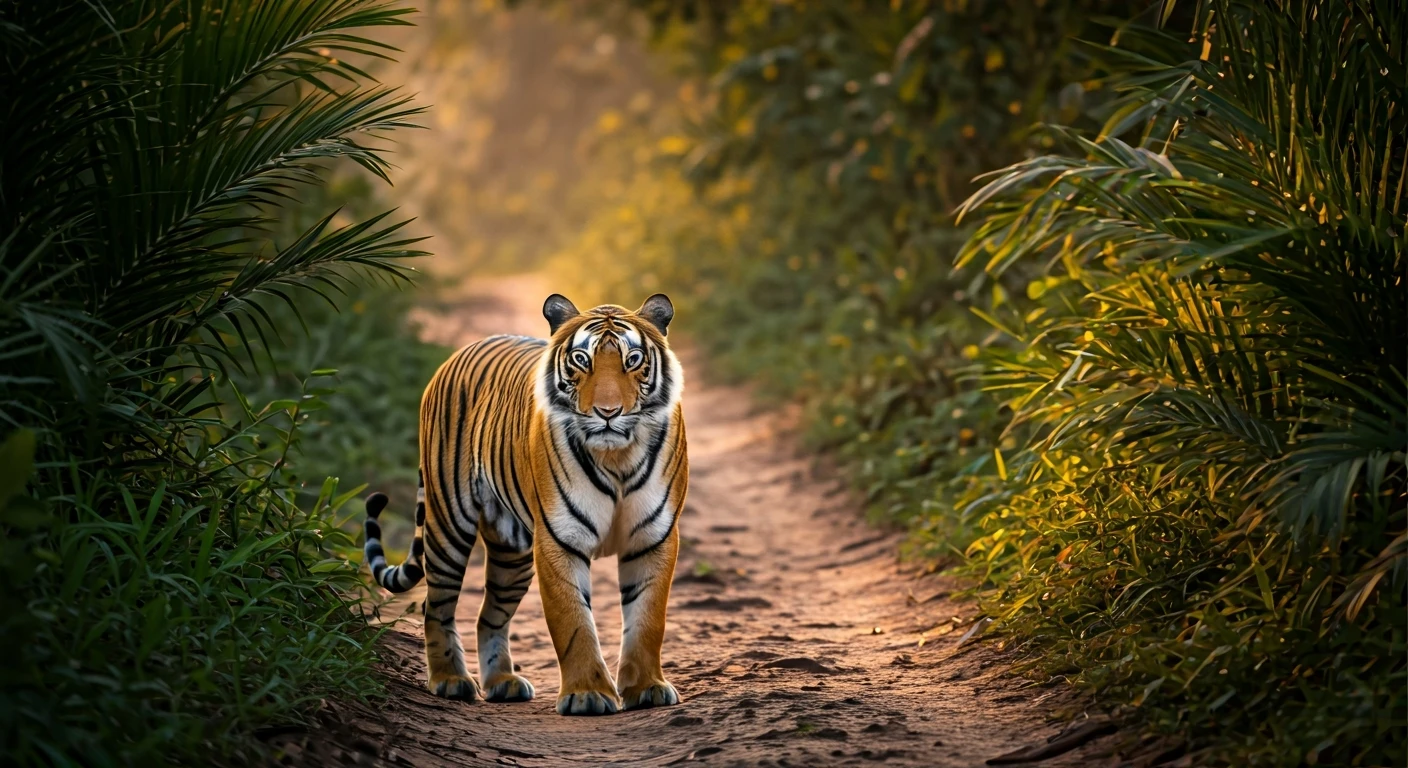
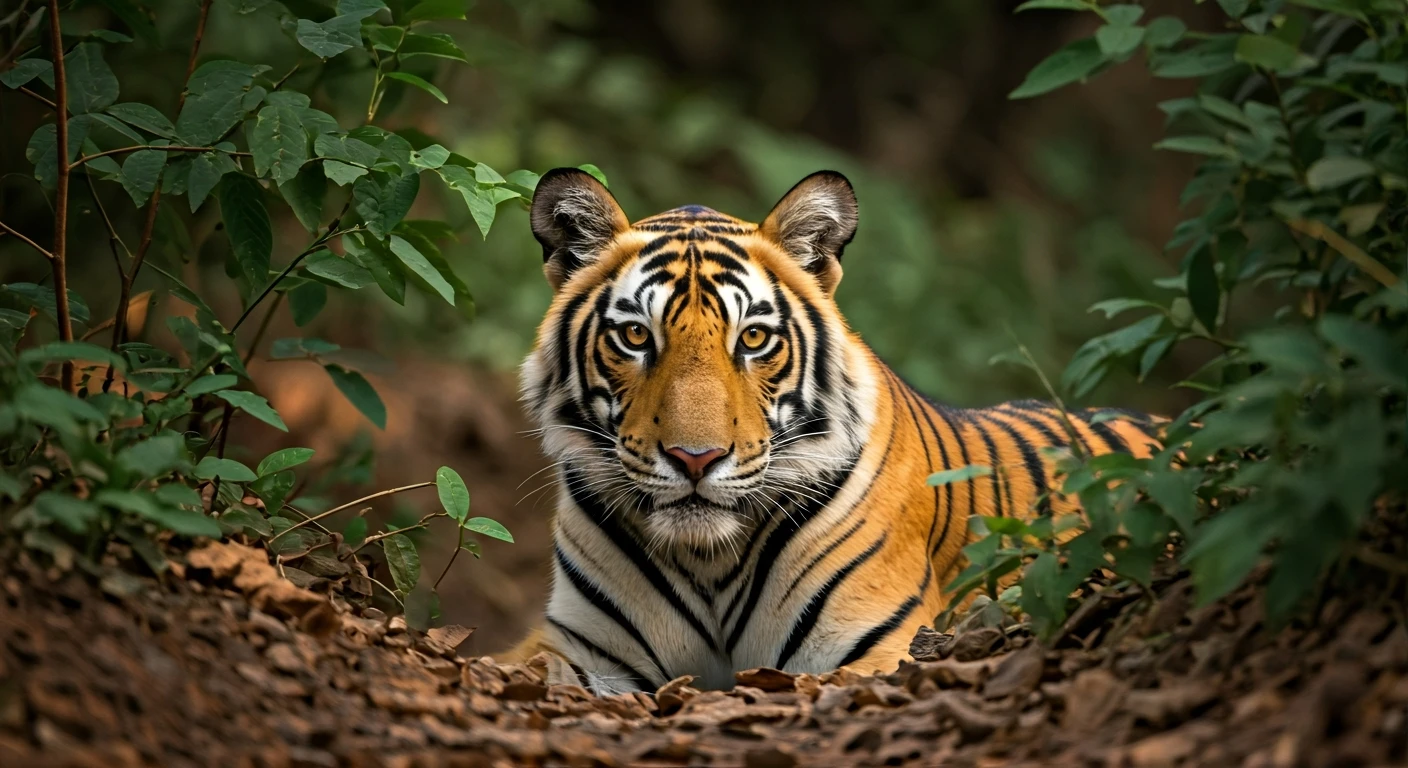
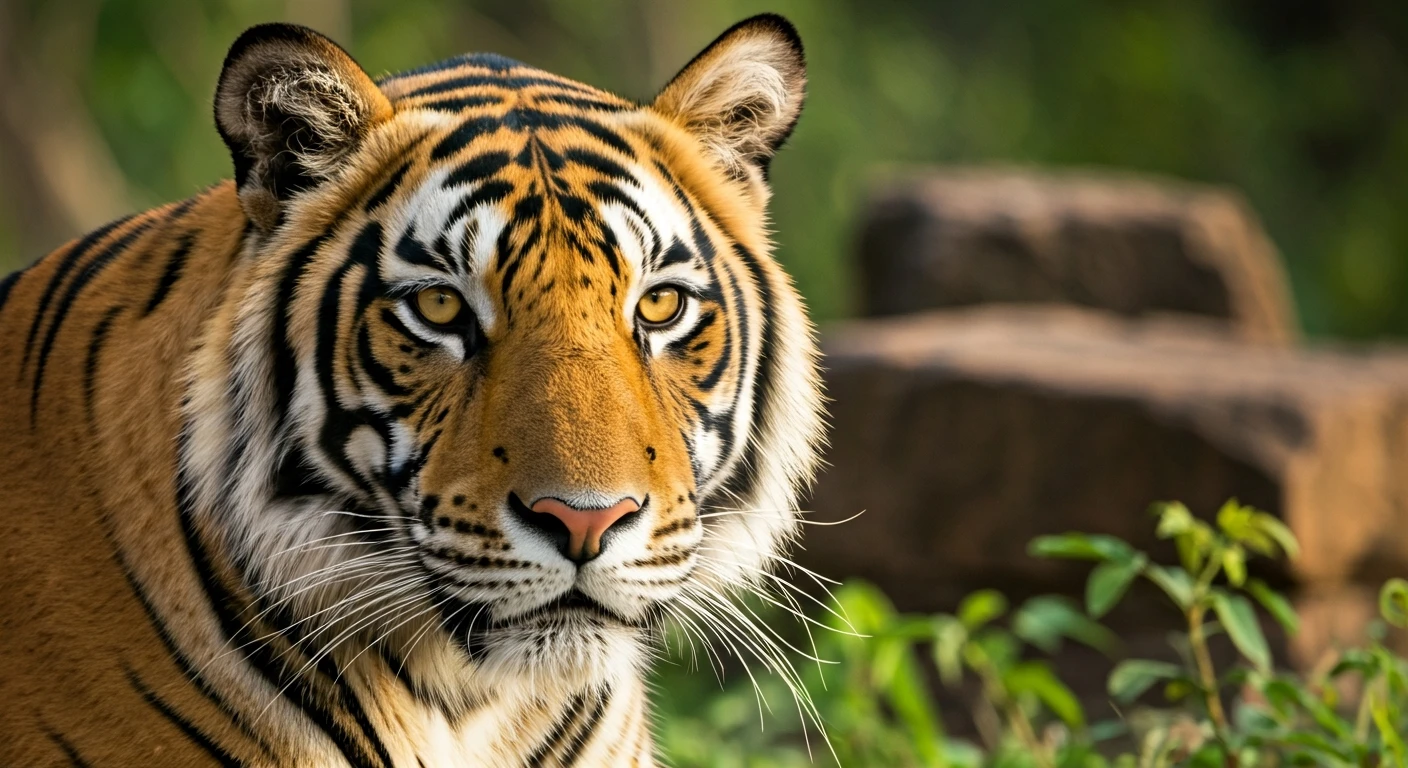
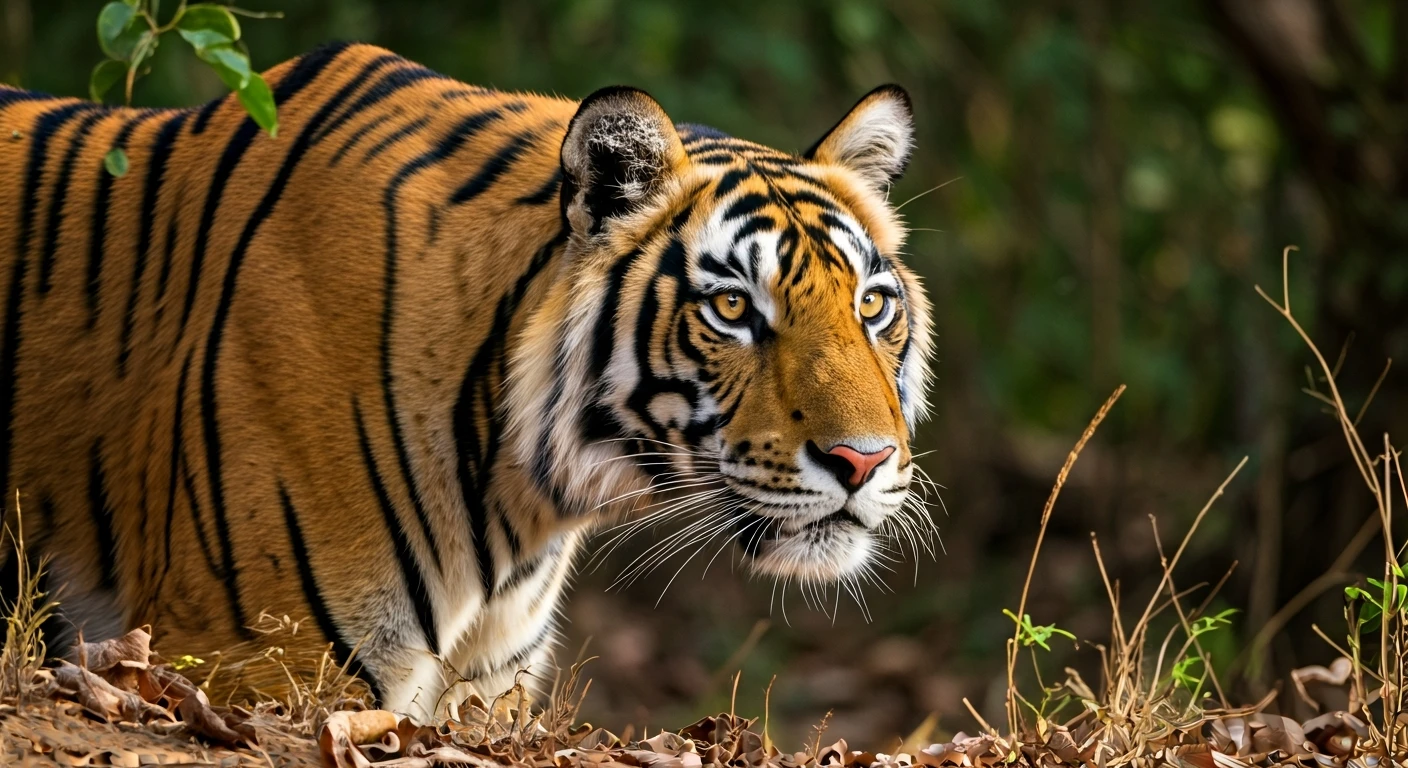
India is home to over 70% of the world's wild tigers, a stunning conservation success story. But not all parks are created equal when it comes to sightings. For American travelers planning a bucket-list trip, focusing on the right reserve is key. * **Ranthambore National Park, Rajasthan:** This is arguably the most famous tiger park. The combination of ancient ruins, dramatic, rocky landscapes, and relatively habituated tigers makes for incredible photographic opportunities. It’s also part of the popular “Golden Triangle” tourist circuit (Delhi-Agra-Jaipur), making it one of the most accessible for first-time visitors to India. * **Bandhavgarh National Park, Madhya Pradesh:** This park boasts one of the highest densities of Bengal tigers in the world. Its smaller core area increases the statistical probability of a sighting. While more remote than Ranthambore, its reputation for consistent tiger encounters makes it a top destination for serious wildlife enthusiasts. * **Kanha National Park, Madhya Pradesh:** For a different feel, Kanha offers a vast, lush landscape of sal forests and expansive grasslands that inspired Rudyard Kipling’s *The Jungle Book*. Sightings might require more patience here, but the experience feels wilder and more immersive.
The Scramble for Safari Permits
The second reason the calendar feels like it’s “closing fast” is the fiercely competitive booking system. You can’t just show up and expect to go on a safari. Access to the national parks is strictly controlled through a limited number of permits for each safari drive (typically morning and afternoon). These permits are released online by government bodies, usually 90 to 120 days in advance. For prime parks like Ranthambore and Bandhavgarh, and for the most coveted safari zones within them, permits for weekend dates and holidays sell out within minutes of being released. This online rush is a frantic, often frustrating experience. This scarcity means that planning a tiger safari isn't a spontaneous vacation; it’s a logistical operation that must be planned months ahead. If you’re hoping to travel in the peak season (November through March), you should be booking your trip in the summer or early fall.
Your Action Plan for a Successful Safari
Given that the current season is all but over, the best approach is to use this time to plan for the next one, which kicks off in October. A successful trip hinges on preparation. 1. **Decide on a Timeframe:** Do you want the pleasant weather and lush greenery of post-monsoon (Nov-Feb), or the hotter, drier months with potentially better sightings (Mar-May)? 2. **Pick Your Park(s):** Research which park’s landscape and accessibility best suit your travel style. Combining two parks, like Bandhavgarh and Kanha, can increase your chances and offer varied experiences. 3. **Partner with an Expert:** For most international travelers, navigating the permit system is a nightmare. The best strategy is to work with a reputable Indian safari lodge or a specialized wildlife travel agent. They have teams dedicated to securing permits the moment they become available. Booking your lodging with a quality safari operator often means they will handle the permit logistics for you. This is the single most important step to ensure you get the drives you want. 4. **Be Ready to Book:** Once you’ve chosen your partner, have your dates and personal information (full names and passport details for all travelers are required for permits) ready. When the booking window opens, you’ll want your agent to be able to act immediately.