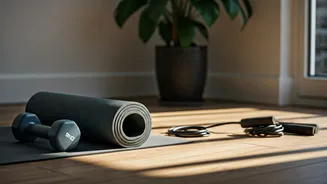




The End of 'No Pain, No Gain'
Remember when the only acceptable workout left you drenched in sweat, gasping for air, and too sore to walk the next day? That all-or-nothing fitness culture, defined by high-intensity boot camps and grueling gym sessions, is finally giving way to a gentler,
more realistic philosophy. For millions of Americans, the pressure to perform at an elite level was more demotivating than inspiring. The result? Many people did nothing at all, feeling that if they couldn't commit to five intense workouts a week, there was no point. The pandemic accelerated this shift. With gyms closed and collective stress levels at an all-time high, people started seeking comfort and sustainability over punishment. The humble walk made a massive comeback. We realized that movement could be a tool for mental clarity and stress relief, not just a method for burning calories. This new perspective acknowledges a simple truth: the best workout is the one you’ll actually do consistently.
The Science of Small Wins
This isn’t just a cultural trend; it's backed by solid science. Experts have long been pointing to the power of what’s called Non-Exercise Activity Thermogenesis, or NEAT. It’s a fancy term for the energy you burn doing everything that isn’t sleeping, eating, or formal exercise. This includes walking to the mailbox, fidgeting at your desk, taking the stairs, or carrying groceries.
Individually, these actions seem insignificant. But added up over a day, they can have a massive impact on your overall health and metabolism. Recognizing this, public health organizations have updated their advice. The U.S. Department of Health and Human Services’ Physical Activity Guidelines for Americans now state that any amount of physical activity, no matter how short, counts toward the recommended weekly total of 150 minutes. The old requirement that activity had to be done in 10-minute bouts is gone. Every step, every stretch, every brief moment of movement is now officially a win.
What 'Moving a Little' Looks Like
So, what does this new fitness goal look like in practice? It's about sprinkling 'movement snacks' throughout your day rather than carving out an intimidating hour-long block. It's about finding joy in motion, not enduring it. Consider these small but mighty goals:
* **The 10-Minute Walk:** Instead of aiming for a 5-mile run, start with a brisk 10-minute walk after lunch. It aids digestion, clears your head, and gets you closer to your daily movement target.
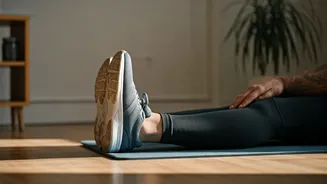
* **The 'Work Call' Lunge:** If you’re on a phone call that doesn’t require video, stand up. Pace around your room. Do a few gentle stretches or leg lifts.
* **The Dance Break:** Waiting for the microwave or for your coffee to brew? Put on your favorite song and have a 3-minute dance party in your kitchen. It's fun, free, and surprisingly effective at boosting your heart rate and mood.
* **Take the Long Way:** Intentionally park farther from the store entrance. Opt for the stairs instead of the elevator. Get off the bus one stop early. These small choices accumulate into significant activity over time.
Good for Your Body, Better for Your Brain
The focus on small, achievable movements isn't just about physical health. It’s profoundly beneficial for mental well-being. A short burst of activity is a proven way to reduce acute stress and anxiety. It can break the mental fatigue of a long workday and provide a natural mood boost by releasing endorphins.
For people struggling with depression, anxiety, or chronic conditions, the idea of an intense workout can be completely overwhelming. Framing fitness as 'moving a little' removes that psychological barrier. It’s an inclusive, compassionate approach that validates any effort, big or small. By making movement a gentle, consistent part of your routine, you build a positive feedback loop. You move, you feel a little better, which makes you more likely to move again tomorrow. This, not a punishing gym regimen, is the foundation of a truly sustainable and healthy life.