





The Living Room: A Social Centerpiece
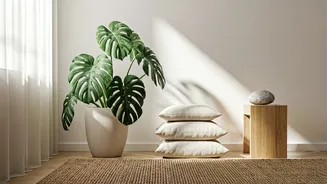
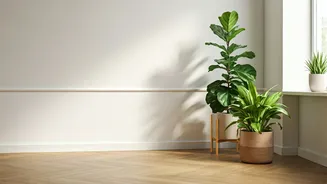
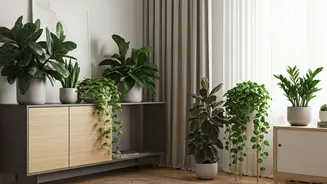
Your living room is where you relax, entertain, and spend a significant amount of your time. It’s the perfect place for a statement plant that acts as a living sculpture. A Fiddle Leaf Fig, with its large, violin-shaped leaves, can anchor a corner and draw
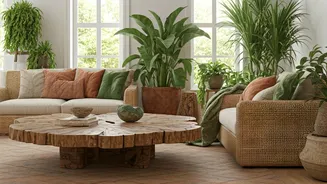
the eye upward, making the ceiling feel higher. If you prefer something lower maintenance, a Snake Plant is nearly indestructible and its sharp, vertical leaves add a modern, architectural feel. These plants don't just fill a space; they define it, purifying the air and creating a more welcoming environment for you and your guests. Placing a larger plant near a window or a smaller one on a coffee table introduces organic texture that softens hard lines from furniture and electronics.
The Bedroom: A Sanctuary for Serenity
The bedroom should be a haven for rest and rejuvenation. Plants can play a crucial role in creating that tranquil atmosphere. The Peace Lily is an excellent choice, known for its elegant white blooms and its ability to thrive in lower light. Its name alone evokes a sense of calm. Similarly, a small pot of English Ivy on a dresser or hanging from the ceiling can add a touch of cascading greenery that feels lush and romantic. While claims about plants dramatically improving sleep quality are complex, their presence is psychologically soothing. The simple act of caring for something green and alive can become a mindful ritual that helps you wind down at the end of the day, signaling to your brain that it's time to rest.
The Kitchen: A Functional, Fragrant Hub
The kitchen is the heart of the home, and the plants in it can be both beautiful and useful. A small indoor herb garden on the windowsill is the ultimate reset—it’s functional, fragrant, and fresh. Basil, mint, and rosemary are easy to grow and add incredible flavor to your cooking. Beyond herbs, a Spider Plant is a fantastic, resilient choice for a kitchen. It’s non-toxic, adaptable, and its arching leaves and little “spiderettes” create a playful, dynamic look on top of a cabinet or on an open shelf. Kitchens often have good light and fluctuating temperatures, and these hardy plants can handle the action while helping to make the space feel less utilitarian and more like a vibrant, living part of your home.
The Bathroom: A Humidity Haven
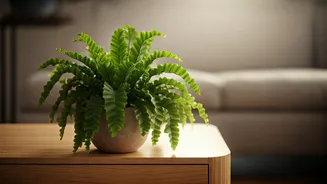
Often overlooked, the bathroom is actually a perfect microclimate for certain types of plants. The steam from your daily shower creates a humid environment that many tropical species adore. This is where a Boston Fern can truly shine, with its feathery fronds thriving in the moisture-rich air. Hang one from the ceiling or place it on a stool to create a spa-like vibe. Another fantastic option is the Pothos, a versatile vining plant that tolerates low light and is incredibly easy to care for. You can let its heart-shaped leaves trail down a shelf or over the side of the vanity. Adding greenery to a bathroom transforms a purely functional space into a personal oasis, making your morning routine feel a little more like a retreat.
The Home Office: A Focus-Friendly Companion
In a space dedicated to productivity, a plant can serve as a quiet, steadying companion that helps you stay grounded. Studies have suggested that having plants in a workspace can improve concentration and reduce stress. The key is choosing low-maintenance varieties that won’t add to your to-do list. The ZZ Plant is a top contender; it thrives on neglect, tolerates low light, and has glossy, dark green leaves that look polished and professional. A collection of small succulents or an Aloe Vera plant on your desk can also add a touch of green without taking up much space. Their simple forms are visually calming, providing a brief, natural focal point to rest your eyes on during a long day of screen time.