







More Than Just Gatorade 2.0
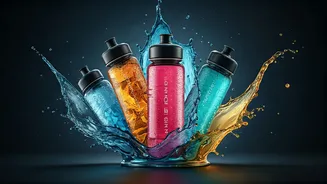
First, let’s be clear: we’re not just talking about the classic sports drinks you chugged after soccer practice. While Gatorade and Powerade cornered the market for decades by focusing on athletes, this new wave of hydration beverages is for everyone.
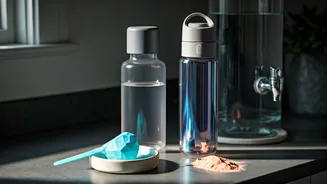
Brands like Liquid I.V., Prime Hydration, and Bodyarmor position themselves as wellness products for the masses. Their core selling point is a blend of electrolytes—minerals like sodium, potassium, and magnesium that help regulate fluid balance in the body. Unlike their predecessors, they often boast low or zero sugar, a shorter ingredient list, and added extras like B vitamins, antioxidants, or BCAAs (branched-chain amino acids). They come in powder form to be mixed with water or in pre-made drinks, framing hydration not just as a necessity, but as an act of self-care and optimization.
The Influencer-to-Aisle Pipeline
A huge part of this boom isn’t about what’s in the bottle, but who’s holding it. The undisputed champion of this strategy is Prime Hydration, founded by YouTube megastars Logan Paul and KSI. By leveraging their colossal online followings, they manufactured a level of hype previously reserved for sneaker drops or new iPhones. Kids and teens lined up for hours, and stores sold out instantly, turning a simple beverage into a must-have status symbol. This blueprint—using social media authenticity to bypass traditional advertising—has been a game-changer. It created a direct pipeline from a TikTok video to the checkout counter. Other brands have followed suit, using micro-influencers and targeted social ads to cultivate a sense of community and desirability that a 30-second TV commercial could never achieve.
A Thirst for Functional Wellness
This trend didn’t appear in a vacuum. It’s riding the massive wave of the post-pandemic wellness movement. Consumers are increasingly skeptical of sugary sodas and juices, seeking out beverages that do more than just quench thirst. We want our drinks to be “functional”—to provide energy, boost immunity, improve focus, or, in this case, hydrate more efficiently. These drinks perfectly capture that desire. They offer a simple, convenient way to feel like you’re making a healthy choice. Grabbing a coconut-flavored electrolyte drink feels more proactive and health-conscious than just drinking tap water, even if the tangible benefits for a sedentary person are minimal. It’s an affordable entry point into the broader, often expensive, world of wellness.
But Do You Actually Need Them?
This is the billion-dollar question. According to most dietitians and medical experts, the answer for the average person is probably not. For elite athletes, people working outdoors in extreme heat, or individuals recovering from a stomach bug, replenishing lost electrolytes is crucial. In those specific scenarios, these drinks can be genuinely beneficial. But for the majority of people living a typical lifestyle—working at a desk, running errands, hitting the gym for an hour—plain water is perfectly sufficient for hydration. Your body is excellent at maintaining its own electrolyte balance, and a balanced diet provides all the minerals you need. While most of these drinks are unlikely to be harmful in moderation, they are often an expensive substitute for water. The feeling of being “better” hydrated is often more psychological than physiological.