





1. Tires: Your First Line of Defense
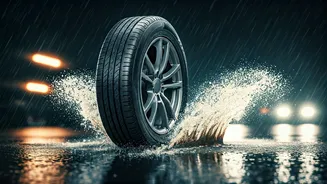
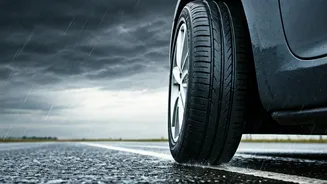
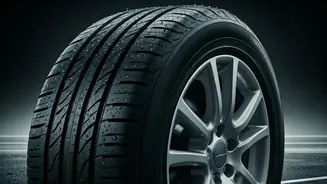
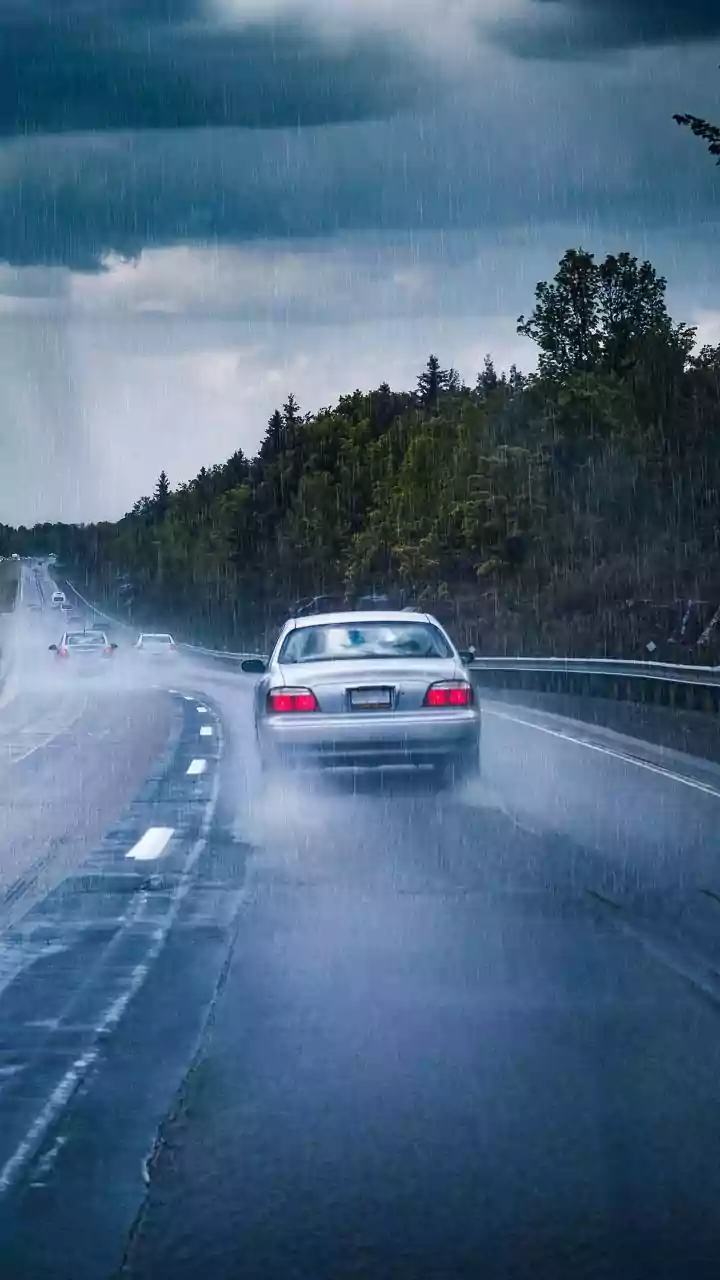
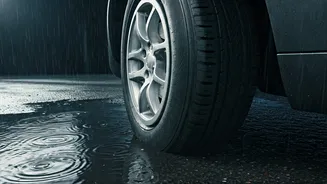
Your tires are the only part of your car that actually touches the road, making them the single most important safety feature in wet weather. When the road is slick, you need maximum grip to maintain control, and that comes down to two things: tread and pressure.
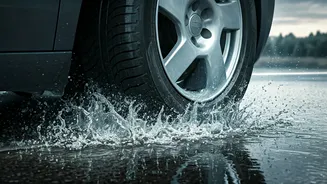
Good tread depth is crucial for channeling water away from the tire's surface to prevent hydroplaning—a dangerous situation where your car essentially floats on a thin layer of water, causing a complete loss of steering and braking. You can quickly check your tread with a penny. Insert it into the groove with Lincoln's head upside down. If you can see the top of his head, your tires are worn and likely need replacing. Also, check your tire pressure; both underinflated and overinflated tires can reduce grip and handling. Your car’s recommended pressure is listed on a sticker inside the driver’s door jamb.
2. Windshield Wipers: Your Window to the World
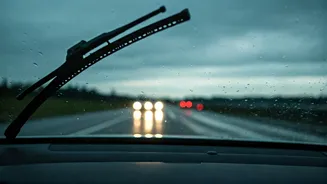
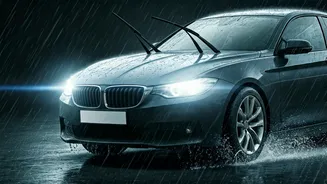
If you can’t see the road, you can’t drive safely. It’s that simple. Windshield wipers are your primary tool for maintaining visibility in a downpour, yet they are often neglected until they fail. Wiper blades are made of soft rubber that degrades over time due to sun exposure and use. A worn-out blade won't clear water effectively, leaving streaks, smears, or large, blurry patches on your windshield that can obscure your vision. Inspect your blades for any signs of cracking, tearing, or brittleness. If they chatter or leave streaks, it’s time for a new pair. Most experts recommend replacing them every six to twelve months. While you’re at it, top off your windshield washer fluid. A quick spray can help clear away the oily, vision-blurring road grime that rain often kicks up.
3. Lights and Signals: See and Be Seen
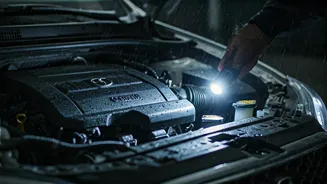
Rainy conditions significantly reduce visibility for everyone. This is where your vehicle's lighting system becomes a critical safety tool, not just for you, but for other drivers. Before you head out, do a quick walk-around of your car. Turn on your headlights and check that both low beams and high beams are working. Test your turn signals, both front and rear, and have a friend step on the brake pedal to confirm your brake lights are functional. A single burnt-out bulb can make it difficult for other drivers to judge your car’s position, speed, or intentions. Remember, in many states, it’s the law to have your headlights on whenever your wipers are in use. This isn't just about illuminating the road ahead; it’s about making your car visible to others from a distance.
4. Brakes: The Ultimate Safety System
Your brakes have a tougher job on wet roads. It takes longer to stop on a slick surface, and your braking system needs to be in top condition to handle the extra demand. While a full brake inspection is best left to a professional, you can listen and feel for warning signs. Do you hear a high-pitched squeal or a harsh grinding noise when you apply the brakes? Does the pedal feel spongy, soft, or does it travel further to the floor than it used to? Does the car pull to one side when you brake? These are all indicators that your brake pads, rotors, or fluid may need service. Ignoring brake issues is never an option, but it's especially hazardous when rain is falling.
5. Defroster and A/C: Clearing the Air
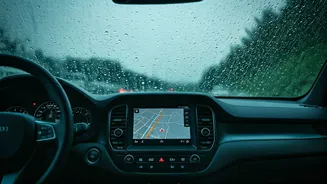
A foggy windshield can be just as blinding as a torrential downpour. When it’s cool and rainy outside, the moisture in your breath and the humidity in the cabin can quickly cause your windows to fog up on the inside. This is where your climate control system comes in. Test both your front and rear defrosters to ensure they are blowing air and heating up properly. Here’s a pro tip: your air conditioning is one of your best tools for defogging. The A/C system removes moisture from the air, so running it—even with the heat turned up—will clear your windshield much faster than using the heater alone. A functional climate system isn't just about comfort; it's a key component of maintaining visibility and safety.