





The Rise of the 'Petio'
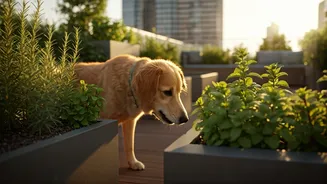
City living doesn't always afford the luxury of a sprawling backyard. As more Americans welcome pets into their high-rise homes and apartments, the need for safe, accessible outdoor stimulation has grown. Enter the 'petio'—a portmanteau of 'pet' and 'patio'—a
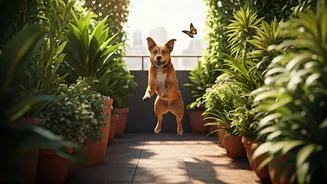
concept dedicated to transforming sterile balconies and terraces into vibrant oases for cats and dogs. This isn't just about rolling out a sad patch of fake grass. It’s a design philosophy centered on the mental and physical well-being of our animals. A well-designed petio provides sensory enrichment, from new smells and textures to the simple joy of sunbathing, which can help reduce boredom, anxiety, and destructive behaviors in pets confined indoors.
Safety First: Building a Secure Foundation
Before you add a single plant, the number one priority is safety. For terraces and balconies, this starts with securing the perimeter. Check that railings are sturdy and the gaps are too narrow for your pet to squeeze through. For smaller dogs or cats, consider adding a layer of rigid mesh or plexiglass to the inside of the railings. Ensure there are no climbable objects, like stacks of pots or furniture, placed near the edge. Cats, in particular, are notorious for misjudging distances when a bird flies by. Specialized cat netting (or 'catios') can provide a fully enclosed, escape-proof space. Finally, assess the flooring. A splintery wood deck can harm paws, and some surfaces can get dangerously hot in direct sunlight. Your pet’s haven should be a fortress of safety before it becomes a playground.
Choosing Pet-Safe Greenery
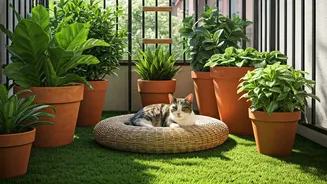
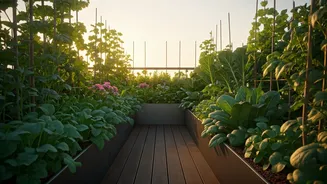
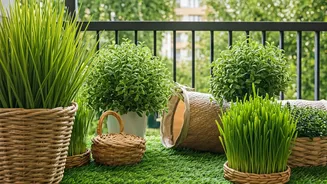
The 'green' in 'green zone' requires careful curation. Many common household and garden plants are highly toxic to dogs and cats. Lilies, for example, are extremely poisonous to cats, while tulips and azaleas can cause serious issues for dogs. Before you buy, always check a reliable source like the ASPCA's toxic and non-toxic plant list. Thankfully, there are plenty of beautiful, pet-safe options. For a lush feel, consider plants like spider plants, Boston ferns, and prayer plants. To add a sensory element, plant a small patch of catnip or catmint for felines, and sturdy, edible grasses like wheatgrass or oat grass that both dogs and cats can safely nibble. Herbs such as parsley, basil, and rosemary are also generally safe and add a wonderful aroma to the space for you and your pet.
Designing for Play and Relaxation
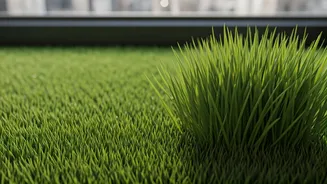
A great petio offers zones for different activities. Designate a 'potty patch' using a tray with real grass sod or specialized pet-safe artificial turf with proper drainage. Create a lounging area with a comfortable, weather-resistant bed in a spot that gets a mix of sun and shade. An outdoor-rated cat tree or a series of sturdy, well-anchored shelves can provide vertical space for curious cats to climb and observe their domain. For dogs, a durable chew toy or a shallow splash-pad on a hot day can provide hours of entertainment. Think about textures: a soft outdoor rug for napping, a patch of dirt or sand for digging (in a contained box!), and the aforementioned grass for rolling can turn a boring slab of concrete into a sensory paradise.
The Finishing Touches
With the core elements in place, a few finishing touches can elevate the experience. A simple water feature, like a small, circulating fountain, provides fresh drinking water and soothing background noise. Ensure it's a pet-safe model without any chemicals. Consider lighting for evening use, but opt for gentle, solar-powered path lights instead of harsh spotlights that might startle your pet. Finally, remember that this is a space for you, too. A comfortable chair and a small table will allow you to share the green zone with your furry companion, strengthening your bond while you both enjoy a little slice of the outdoors, right at home.