





The Age of Performative Pain
Remember when every other person you knew was training for a marathon, bragging about their 5 a.m. ice bath, or posting a photo of their blistered hands after a CrossFit workout? For the better part of a decade, American culture was obsessed with the 'suffer-fest.'
It wasn't enough to be fit; you had to be forged in a crucible of voluntary misery. This ethos bled from the gym into the office, giving rise to 'hustle culture'—the toxic belief that success requires relentless, sleep-deprived dedication. The narrative was seductive: Pain was a purifier. Pushing past your limits was the only way to grow. Social media became a highlight reel of suffering, a place to showcase not just our triumphs, but the grueling process it took to get there. Whether it was a Tough Mudder obstacle course or a 100-hour work week, the underlying message was the same: if you aren't in pain, you aren't trying hard enough.
A Collective Case of Burnout
Then, something snapped. The pandemic didn't create burnout, but it poured gasoline on a fire that was already smoldering. Forced to confront our mortality, our priorities, and the fragility of our routines, many people had a profound realization: this isn't sustainable. The constant pressure to optimize, achieve, and perform began to feel less like a path to fulfillment and more like a hamster wheel with shin splints. The 'Great Resignation' was one symptom. People weren't just leaving jobs; they were leaving a mindset. The promise that extreme effort would lead to extreme rewards rang hollow. Psychologically, we hit a wall. Adding a punishing workout regimen on top of a demanding job and existential dread started to seem less like discipline and more like self-flagellation. We were tired. And for the first time in a long time, we started admitting it.
Welcome to the 'Soft' Era
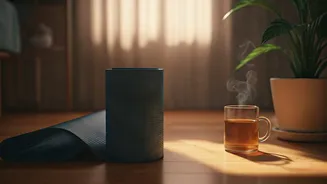
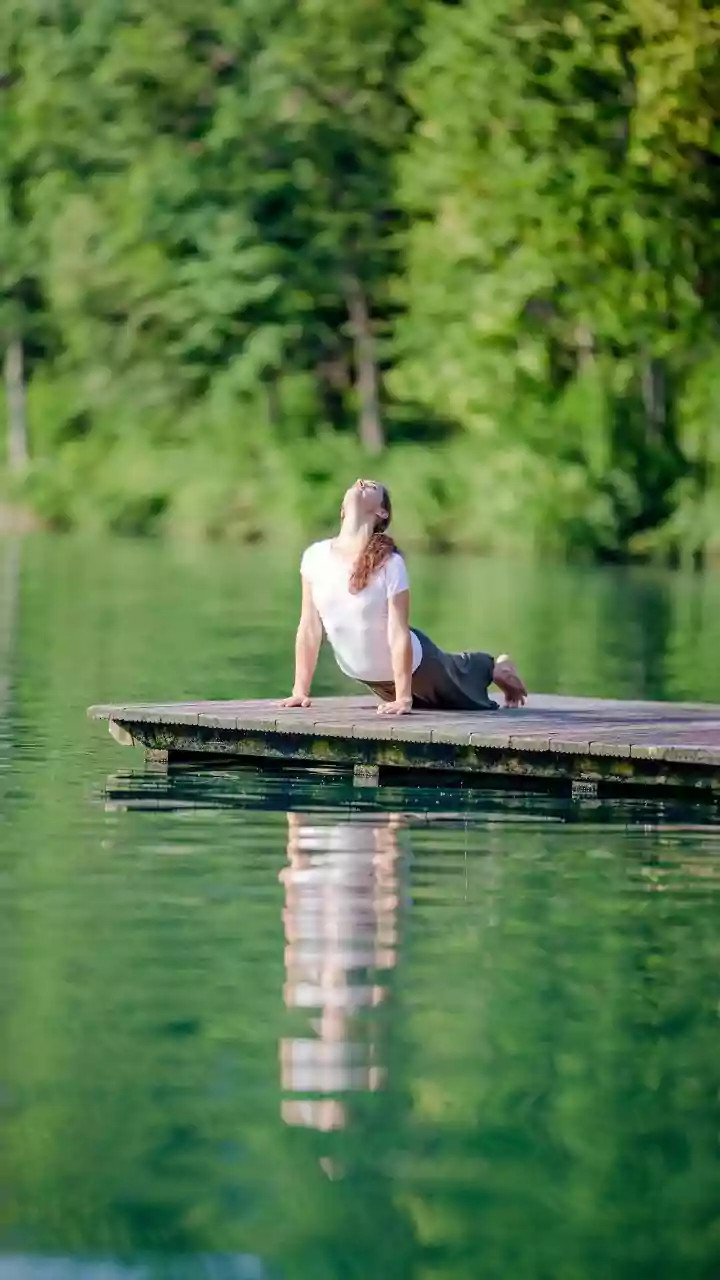
Nature abhors a vacuum, and so does culture. As the appeal of extreme challenges waned, a new philosophy began to take its place. On social media, hashtags like #softliving, #cozycardio, and #lazygirljob started trending. At first glance, they might seem to advocate for doing nothing. But look closer, and you'll see a radical re-prioritization. 'Cozy cardio' isn't about avoiding a workout; it's about finding joyful movement, like walking on a treadmill while watching your favorite show, instead of forcing yourself through another high-intensity interval session you despise. 'Soft living' isn't about being lazy; it's about actively choosing peace over stress, prioritizing mental health, and setting boundaries. It's the simple luxury of reading a book instead of answering late-night emails. This isn't a rejection of effort, but a redefinition of what's worth the effort.
Redefining Strength and Success
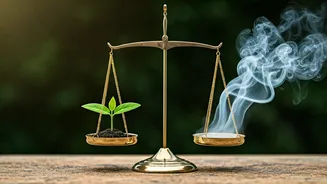
The most significant shift isn't in our actions, but in our values. We're moving from a definition of strength based on endurance and pain tolerance to one rooted in self-awareness, balance, and sustainability. True strength, this new mindset argues, isn't about running an ultramarathon on three hours of sleep. It's about having the wisdom to know you need eight hours of sleep and the discipline to get it. This marks a maturation of the wellness movement. The first wave was about optimization and performance—hacking your body and life for maximum output. This new wave is about integration and harmony. It understands that recovery is as important as effort, that rest is a prerequisite for resilience, and that a life that *feels* good is more valuable than one that just *looks* good on a spreadsheet or an Instagram feed. The goal is no longer to conquer the mountain in a single, brutal ascent, but to find a path you can walk for a lifetime.