



The Anatomy of a 'Soft Break'
In a world that glorifies the extreme—grueling treks, high-octane adventure sports, or packed, box-ticking itineraries—the concept of a 'soft nature break' feels almost revolutionary. It’s not about conquering a peak or chasing an adrenaline rush. It’s about immersion
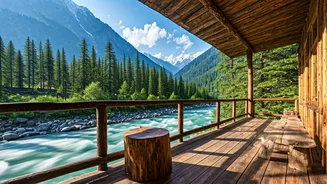
without exertion. It’s the simple pleasure of a gentle walk through an apple orchard, a quiet hour spent by a gushing river, or a conversation with a local tea vendor. Harsil Valley, nestled in the Garhwal Himalayas of Uttarakhand, is the postcard-perfect embodiment of this philosophy. This is travel as restoration, not as a challenge. It’s for the person who wants to hear birdsong instead of car horns, and see constellations instead of a glowing screen. For a country like India, with some of the world's most populous and fast-paced cities, this kind of accessible, low-impact escape is less a luxury and more a necessity for mental and spiritual well-being.
A Valley Painted in Green and Blue
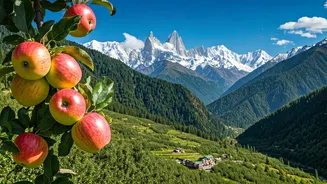
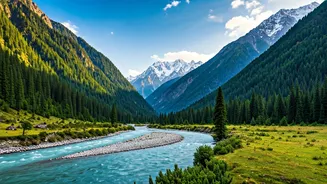
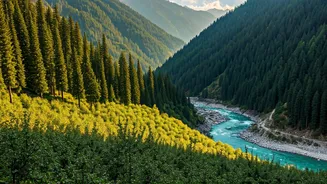
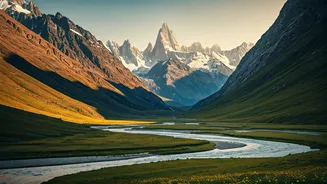
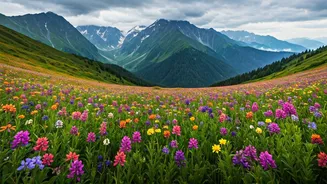
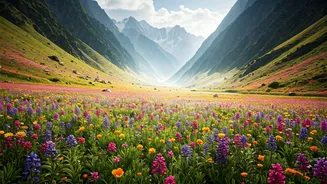
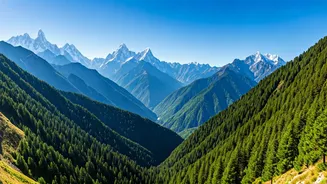
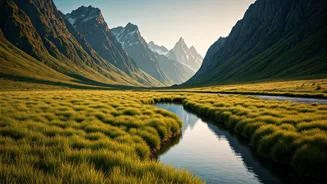
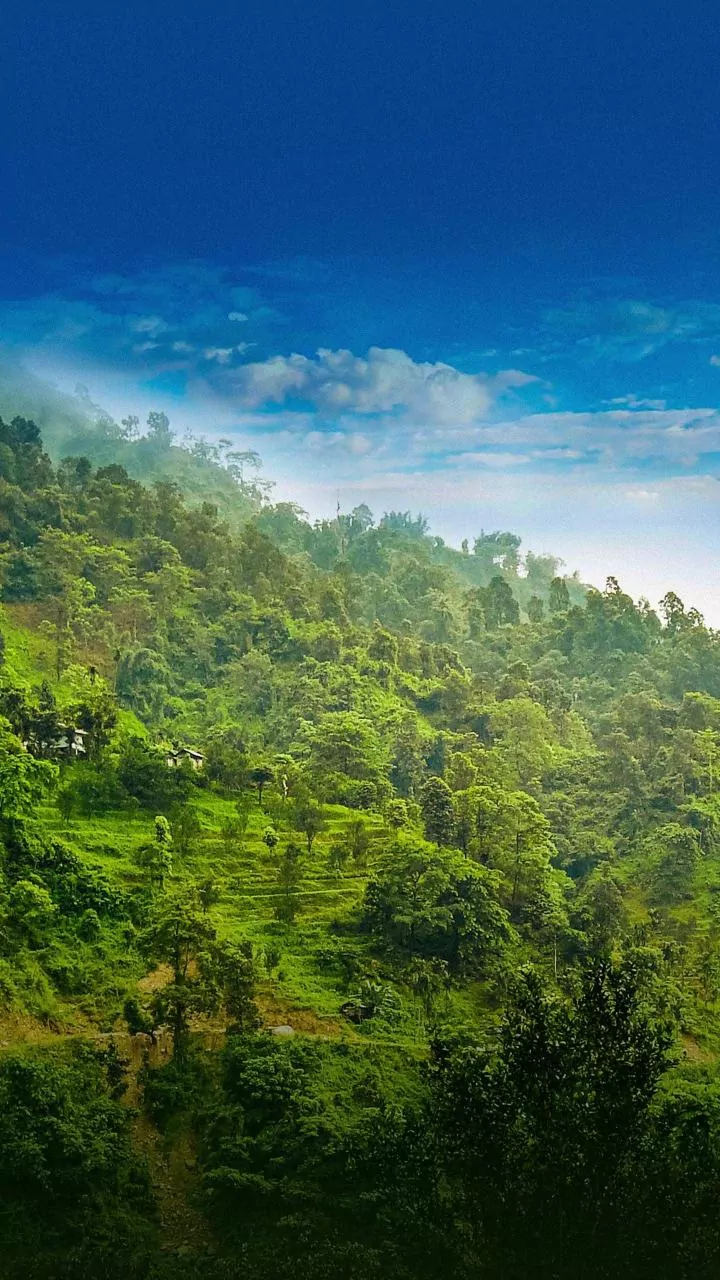
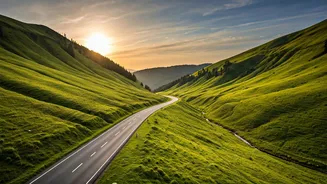
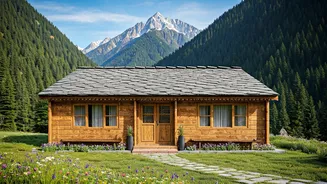
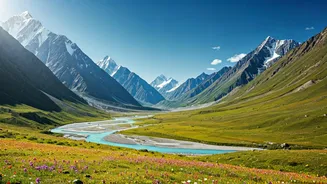
What makes Harsil so enchanting is its understated beauty. Situated at an altitude of around 8,500 feet, the valley is cradled by snow-capped peaks, but its heart is gentle and green. The Bhagirathi River, which later becomes the sacred Ganges, flows through with a brilliant turquoise clarity, its banks dotted with smooth, grey stones perfect for riverside contemplation. The valley floor and surrounding slopes are famous for their apple orchards, introduced by a British settler in the early 20th century. In the autumn, these orchards are heavy with fruit, painting the landscape in shades of red and gold. Above them stand majestic deodar cedar forests, whose tall, dark silhouettes create a profound sense of timelessness and peace. Unlike more commercialized hill stations, Harsil has managed to retain a sleepy, village-like charm. Development is minimal, the air is clean, and the dominant sound is the constant, soothing music of the river.
A Quieter Path to the Divine
Harsil also serves as a serene gateway to one of Hinduism's most important pilgrimage sites. The valley lies on the route to Gangotri, the source of the Ganges, which is just 15 miles away. During the pilgrimage season (yatra), the main roads can be choked with traffic and the major towns packed with devotees. Harsil offers a strategic and spiritual alternative. By staying here, visitors can acclimate to the altitude and enjoy the Himalayan atmosphere in peace before making the final journey. But more than that, it allows for a different kind of pilgrimage—one that is internal. The quiet trails around Harsil, leading to nearby hamlets like Mukhba (the winter seat of the goddess Ganga), provide space for reflection far from the crowds. It separates the spiritual journey from the logistical chaos, allowing the grandeur of the mountains to work its quiet magic on the soul.
An Antidote to Urban Burnout
The true value of a place like Harsil isn't just in its scenery, but in what it does to your internal rhythm. It forces you to slow down. With limited cell service in many spots and a distinct lack of 'things to do' in the traditional tourist sense, the valley encourages a return to basics. The agenda is simple: wake up, breathe, walk, eat simple local food, and watch the light change on the mountains. This isn't laziness; it's a deliberate un-plugging from a culture of perpetual productivity and digital distraction. For the millions of Indians navigating the pressures of urban life—the endless commutes, the demanding jobs, the constant noise—Harsil represents a tangible and achievable reset button. It proves that you don't need a ten-day trek or an expensive spa retreat to find peace; sometimes, all you need is a quiet valley, a clear river, and permission to do nothing at all.