
More Than Just Nostalgia
In kitchens and on phone screens across America, there’s a quiet revolution simmering. It smells like your grandmother’s pot roast, your great-aunt’s pound cake, or a Depression-era dish you’ve only heard about in stories. This isn’t just a fleeting wave
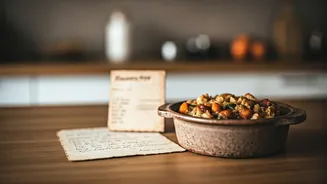
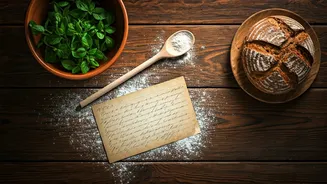
of nostalgia; it’s a deliberate cultural shift. People aren't just recreating old dishes; they're embracing the stories, traditions, and sense of connection baked into them. In an era of ghost kitchens and algorithm-driven food delivery, the tactile, imperfect nature of a family recipe feels grounding. The appeal lies in its authenticity—the smudges on the card, the delightfully vague instructions like “bake until done,” and the knowledge that this dish has nourished generations. It’s a tangible link to a personal and collective past, offering a comforting anchor in a fast-changing world.
The TikTok Recipe Box
What’s truly modern about this trend is how it spreads. Social media platforms, particularly TikTok and Instagram, have become the world’s biggest community cookbooks. A creator might film themselves deciphering a great-grandmother's cursive to make a 1940s “wacky cake,” and millions will watch, comment, and try it themselves. Hashtags like #oldrecipes and #grandmacore are filled with videos that are part cooking show, part history lesson, and part family tribute. This digital stage gives heirloom recipes a viral reach they never could have achieved in a physical kitchen. It demystifies them, making them accessible to a new generation that may not have learned these skills at a relative’s elbow. The screen becomes a bridge, connecting a viewer in a tiny city apartment to a culinary tradition from a rural farmhouse decades ago.
A Hunger for Hard-Won Skills
The renewed respect for old recipes also reflects a growing appreciation for the resourcefulness they represent. Many of these dishes were born from scarcity and ingenuity. Think of Depression-era recipes that cleverly substitute inexpensive ingredients, or wartime “victory garden” cooking that made the most of every scrap. In a time of supply chain anxieties and concerns about food waste, these historical hacks feel remarkably relevant. Learning to cook a “desperation pie” without eggs or butter isn't just a historical curiosity; it’s a lesson in resilience and creativity. There’s a deep satisfaction in mastering these foundational techniques—in understanding *why* a recipe works, not just following a slickly produced video for a trendy dish. It’s about reclaiming a sense of capability and self-sufficiency that feels both empowering and deeply human.
From Card File to Cloud
This modern respect is also about preservation. A generation is realizing that these recipes, often stored only in the minds of aging relatives or on fading scraps of paper, are a fragile part of their heritage. The act of documenting them has become a project in itself. Families are creating shared digital folders, scanning old recipe books, and recording video interviews with elders to capture not just the ingredients, but the techniques and stories behind the food. Online communities and dedicated apps now help people transcribe, organize, and share this culinary inheritance. It’s a form of digital archiving, ensuring that the food that defines a family’s history won’t be lost. By saving the recipe for Grandpa’s chili or Aunt Carol’s Jell-O salad, we are saving a piece of who we are.