








Beyond the Billionaire's Playbook
When you hear “longevity tech,” you might picture a tech mogul with an IV drip, pursuing eternal youth at any cost. For years, that wasn’t far from the truth. The field was dominated by high-end services like comprehensive blood panels, personalized epigenetic
testing, and expensive, bespoke supplement regimens—all accessible only to the ultra-wealthy. This exclusive model centered on boutique clinics in places like California and Europe, treating long life as a luxury good. But the core science—focused on understanding cellular aging, metabolic health, and genetic predispositions—is slowly being unbundled from this gilded cage. The new wave isn't about cryogenic freezing; it's about actionable, data-driven health improvements for the masses. Think less about living to 200 and more about feeling 40 when you’re 60.
The New Frontier: Why India?
So why is India the next hotbed for this movement? Several factors are converging to create a perfect storm. First, the country has a massive, young population that is rapidly urbanizing and gaining disposable income. This burgeoning middle class is increasingly health-conscious, a trend massively accelerated by the COVID-19 pandemic, which brought health and immunity to the forefront of the national conversation. Second, India has one of the highest rates of smartphone penetration in the world, making app-based health solutions and direct-to-consumer e-commerce models viable on a national scale. Entrepreneurs see a vast, digitally-native market that is eager for modern wellness solutions but may not have access to, or trust in, traditional healthcare infrastructure for preventative care. It's a market that is skipping the clinic and going straight to the consumer.
From Lab Coats to Subscription Boxes
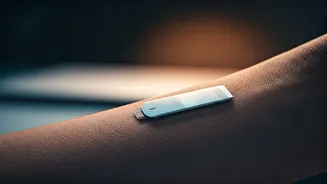
The key to this shift is a change in the business model. Instead of million-dollar clinics, Indian startups are pioneering a direct-to-consumer approach. Companies like Decode Age, Human Edge, and Perpetual Health are at the forefront. Their offerings often include at-home biological age test kits, which use saliva or blood samples to give users a snapshot of their cellular health. Based on these results, the companies then recommend or sell targeted supplements. A popular one is NMN (Nicotinamide Mononucleotide), a molecule linked to cellular repair that has become a staple of the global longevity community. By packaging complex science into user-friendly apps, simple test kits, and monthly subscriptions, these companies are transforming a complex medical field into a consumer wellness product, much like 23andMe did for genetics in the U.S.
Ancient Traditions Meet Modern Science
What makes the Indian context particularly fascinating is the interplay between this cutting-edge science and the country's ancient wellness traditions. India has a deeply rooted culture of preventative health, centered around practices like Ayurveda, yoga, and herbal medicine. For centuries, ingredients like turmeric, ashwagandha, and tulsi have been staples of Indian households for their perceived health benefits. Smart longevity startups aren't trying to replace this; they're integrating with it. They often frame their modern, lab-derived supplements as a scientific continuation of this traditional wisdom. The marketing speaks of “biohacking your biology” but also of achieving “balance” and “vitality”—concepts that resonate deeply within Indian culture. This fusion makes the technology feel less like a foreign import and more like a natural evolution of existing health practices.