



More Vibe, Less Grind
For generations, serious running was framed as a solitary battle against the clock. It was about personal bests, grueling training schedules, and the lonely pursuit of endurance. But a new movement is reframing the sport entirely. Across cities like New
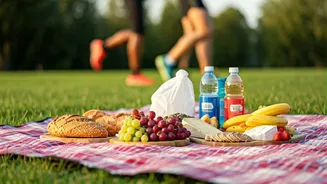
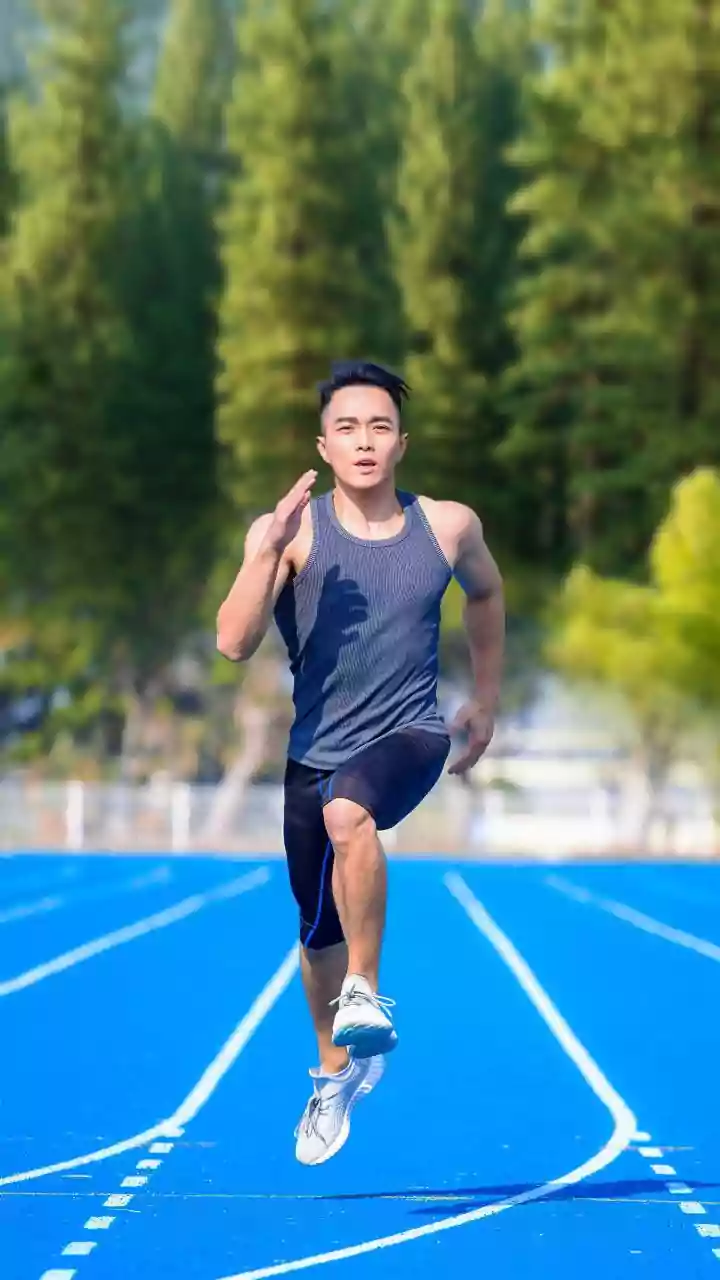
York, Los Angeles, and Austin, community run clubs are exploding in popularity, and their philosophy is radically different: it’s about connection first, cardio second. These aren't your traditional, hyper-competitive running groups. They often have playful names, emphasize a “party pace” where conversation is encouraged, and explicitly welcome all skill levels, from first-time joggers to seasoned runners. The goal isn't to be the fastest, but to be part of the group. The weekly 5K is less a race and more a social ritual, bookended by pre-run stretches and, more importantly, post-run coffee, beers, or bagels. The exercise is simply the medium for the real product: community.
A Cure for Digital Isolation
The meteoric rise of these clubs isn't a coincidence. It’s a direct response to a post-pandemic world grappling with lingering feelings of isolation. After years of virtual hangouts and remote work, there’s a palpable hunger for tangible, in-person connection. Run clubs offer an easy, low-stakes entry point into a new social circle. There’s no awkward small talk over drinks; the shared activity provides a natural icebreaker. This format lowers the barrier to entry for both fitness and friendship. For many, joining a gym can be intimidating, and making friends as an adult can feel impossible. A free, weekly run provides structure, consistency, and a sense of belonging that many have been missing. The shared sweat and tired legs build a unique, accelerated camaraderie. You’re not just exercising next to someone; you’re moving together, sharing an experience that feels both productive and deeply human.
Running as Aesthetic
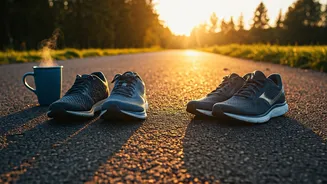
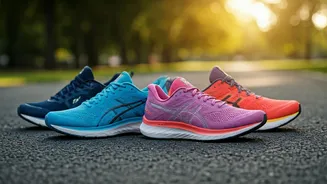
This is where the “lifestyle content” component comes into focus. These events are meticulously documented. It’s not enough to just go for a run; the run must be seen. Club organizers and members are creating a steady stream of high-quality content for platforms like Instagram and TikTok. We see cinematic drone shots of the group swarming through city streets, close-ups of trendy running shoes, and smiling group photos with a city skyline as the backdrop. The aesthetic is specific: it’s wholesome, aspirational, and effortlessly cool. Participants often wear coordinated colors or club-branded merchandise, turning the group into a visually cohesive unit. The content produced isn’t about showcasing athletic prowess. Instead, it sells a lifestyle—one of health, friendship, and urban exploration. The run itself is just one part of a larger narrative that includes the gear, the scenery, the coffee shop, and the community. It’s a full-package experience designed to be photogenic.
The New Local Influencers
Naturally, brands have taken notice. This intersection of wellness, community, and high-quality user-generated content is a marketing goldmine. Athletic apparel companies, sneaker brands, and even local businesses like coffee shops and breweries are partnering with these clubs. Sponsorship can range from providing free shoes for club leaders to hosting post-run events or offering discounts to members. In this ecosystem, the founders of popular run clubs are becoming a new kind of local influencer. They aren’t just organizing jogs; they are community builders and content creators who hold sway over a highly engaged, geographically concentrated audience. Their endorsement of a new sneaker or a local cafe carries an authentic weight that a traditional ad can’t replicate. This commercialization solidifies the run club’s status not just as a hobby, but as a legitimate cultural and economic force in the modern urban landscape.