






Moving Beyond the Buffet
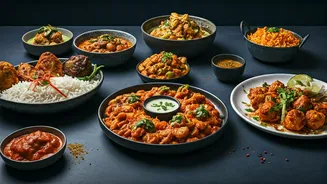
Let’s be honest: for many Americans, the introduction to Indian cuisine was a lunch buffet. It was affordable, accessible, and featured a familiar rotation of creamy, tomato-based curries, tandoori chicken, and pillowy naan. These dishes, primarily rooted
in Punjabi cuisine, became a delicious but narrow shorthand for the food of an entire subcontinent. While dishes like chicken tikka masala (a British-Indian invention, by the way) and saag paneer are wonderful, they represent a tiny fraction of India’s staggering culinary diversity. This standardization created a perception of Indian food as heavy, homogenous, and best suited for a cheap, all-you-can-eat meal. It was beloved, but it wasn’t always respected in the same way as French or Japanese cuisine. The idea of a high-end, regionally-focused Indian restaurant felt like a niche concept, not a national headliner. That perception is now being thrillingly dismantled, one dish at a time.
The Delicious Rise of Regionality
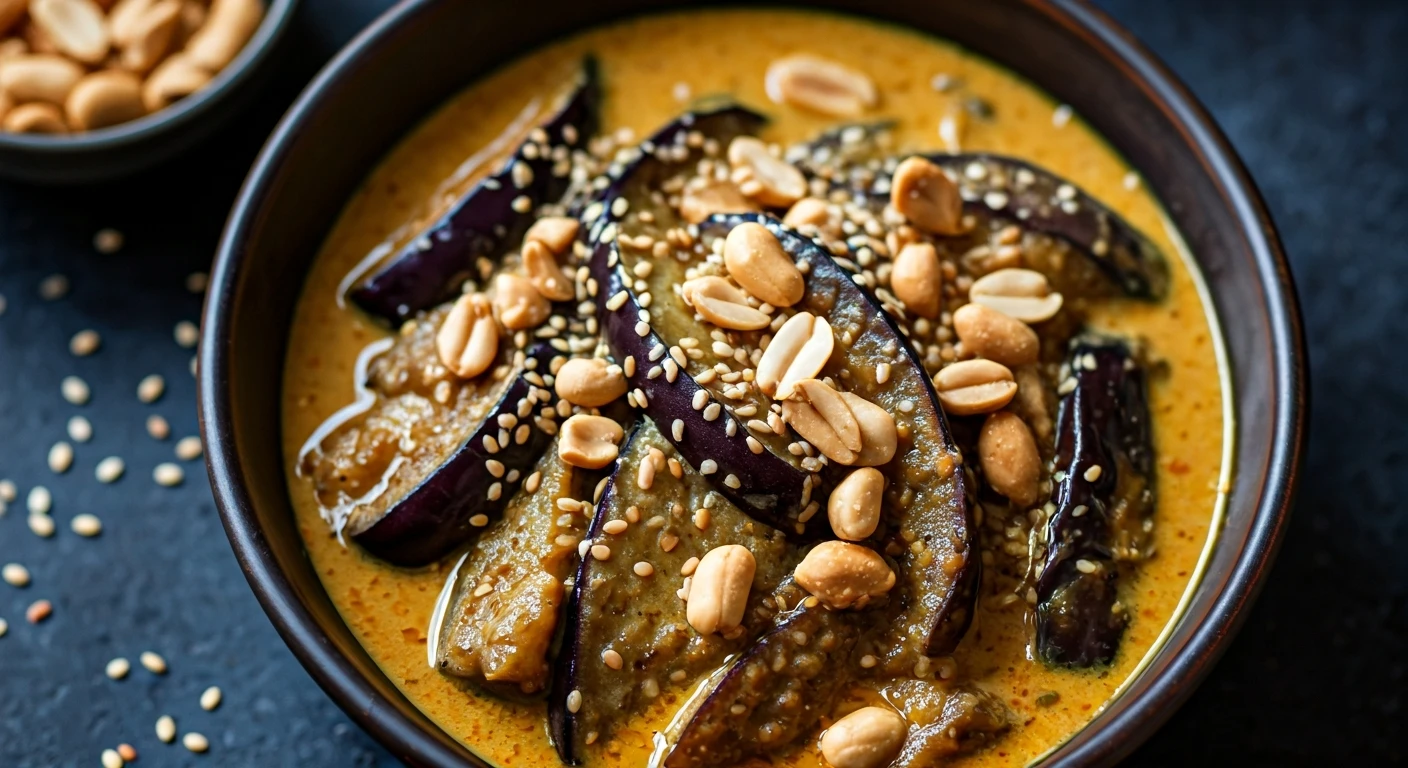
The single most exciting shift in Indian food today is the embrace of regionality. India is a country with dozens of distinct culinary traditions, each shaped by its own climate, history, and local ingredients. The new wave of Indian restaurants in the U.S. is finally telling that story. In New York City, a restaurant like Dhamaka became a phenomenon by focusing on the “other side of India”—provincial, rustic dishes you’d never find on a standard menu, from goat neck biryani to Champaran meat. In Asheville, North Carolina, Chai Pani won the James Beard Award for America’s most Outstanding Restaurant in 2022 not for fine dining, but for celebrating the vibrant, complex, and joyful world of Indian street food, or 'chaat.' Suddenly, diners are learning the difference between the coconut-laced seafood curries of Kerala, the mustard-oil-infused fish of Bengal, and the savory lentil cakes of Gujarat. It’s a culinary education, proving that 'Indian food' isn't a monolith but a library of distinct, delicious cuisines.
A New Generation of Storytellers
This movement isn't happening in a vacuum. It’s being driven by a new guard of Indian-American and South Asian chefs, restaurateurs, and food writers. Many are second-generation immigrants who grew up navigating two cultures. They have a deep, personal connection to the food of their heritage but also a fluency in the language of modern American dining. Chefs like Chintan Pandya (Dhamaka, Semma), Meherwan Irani (Chai Pani, Botiwalla), and the late Floyd Cardoz (Tabla, Bombay Bread Bar) didn't just cook food; they provided context, narrative, and a point of view. They unapologetically presented dishes as they were meant to be eaten, resisting the urge to tone down spices or change names for Western palates. They are storytellers, using the plate to share personal histories and challenge outdated stereotypes. They’ve shown that the food they grew up eating in their homes is not just worthy of a place at the American table, but worthy of celebration.
From 'Ethnic' to Essential
The ultimate sign that the world is catching up is the critical acclaim. For years, Indian restaurants were often relegated to 'best ethnic' or 'cheap eats' lists. Now, they are simply in the 'best restaurants, period' conversations. When Chai Pani won the nation’s top restaurant honor from the James Beard Foundation, it was a seismic event. It signaled a shift in the culinary establishment’s understanding of what 'outstanding' can look like. Similarly, Semma, a New York restaurant celebrating Southern Indian heritage, earned a Michelin star—a rare feat for an Indian restaurant in the U.S. This isn’t just about awards; it’s about cultural currency. Indian ingredients like turmeric, ghee, and cardamom are now wellness staples. Cookbooks from authors like Priya Krishna are bestsellers. Indian food is no longer a culinary side trip; it’s a central part of the American dining landscape, recognized for its complexity, artistry, and undeniable appeal.