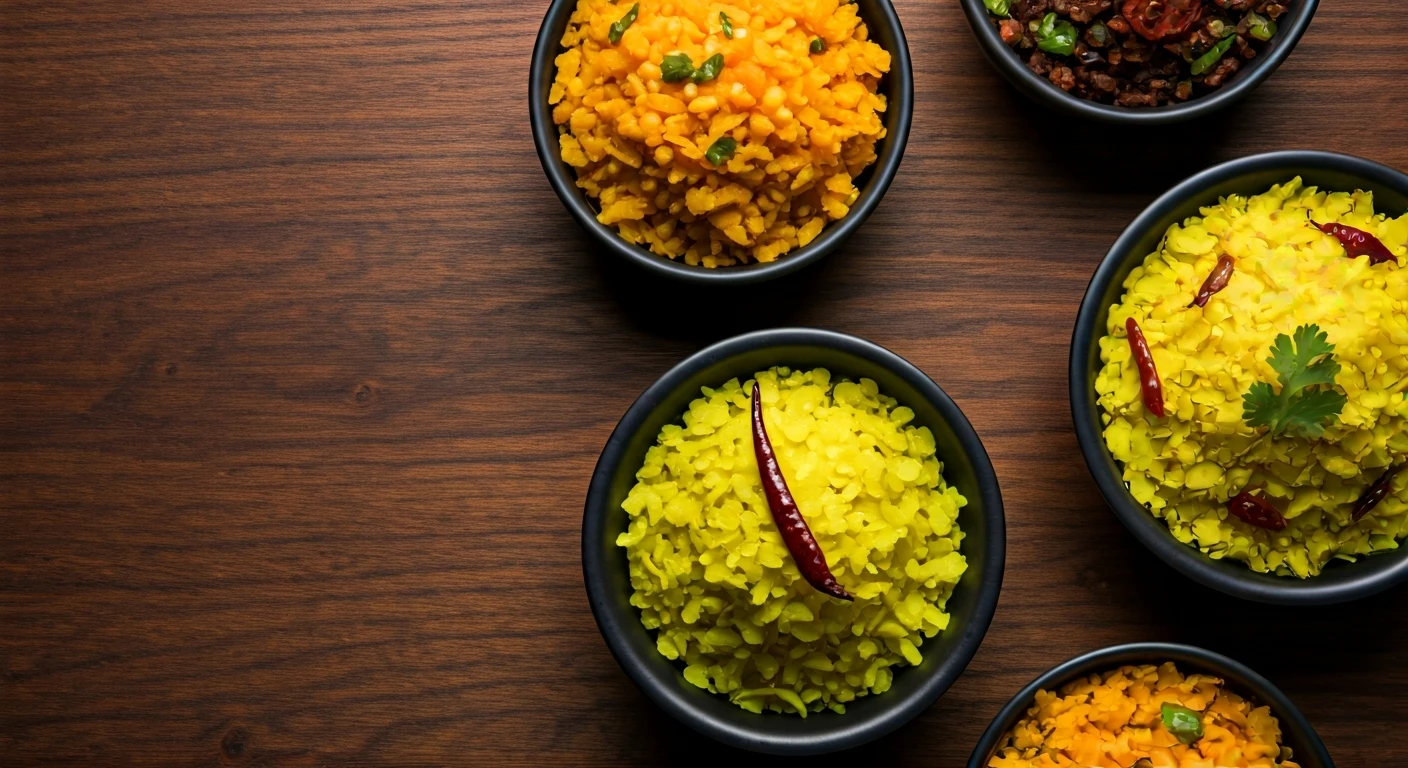


First, What Exactly Is Poha?
Before we dive into the remixes, let’s get the basics down. Poha (pronounced PO-hah) is both the name of the dish and its star ingredient: flattened rice flakes. Think of them like the Indian version of rolled oats, but lighter and quicker to prepare.
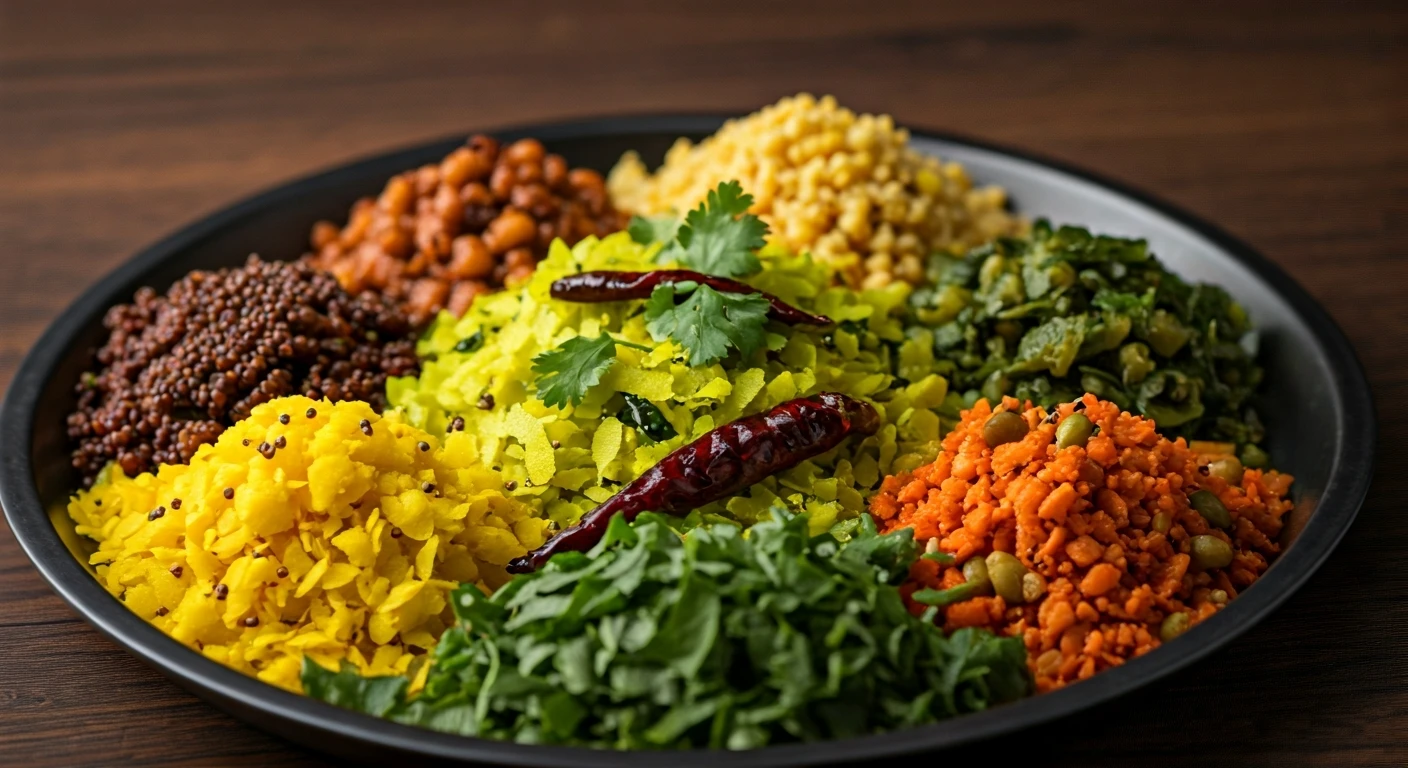
When raw, they’re dry and brittle. But soak them in water for just a few minutes, and they transform into soft, separate flakes that are ready to absorb any flavor you throw at them. This quick-change artistry is its superpower. It’s naturally gluten-free, light on the stomach, and can be made in under 15 minutes, making it the undisputed MVP of weekday breakfasts across India. It’s the kind of comfort food that’s both nourishing and nostalgic, a simple canvas ready for culinary expression.
The Bedrock: Maharashtrian Kanda Poha
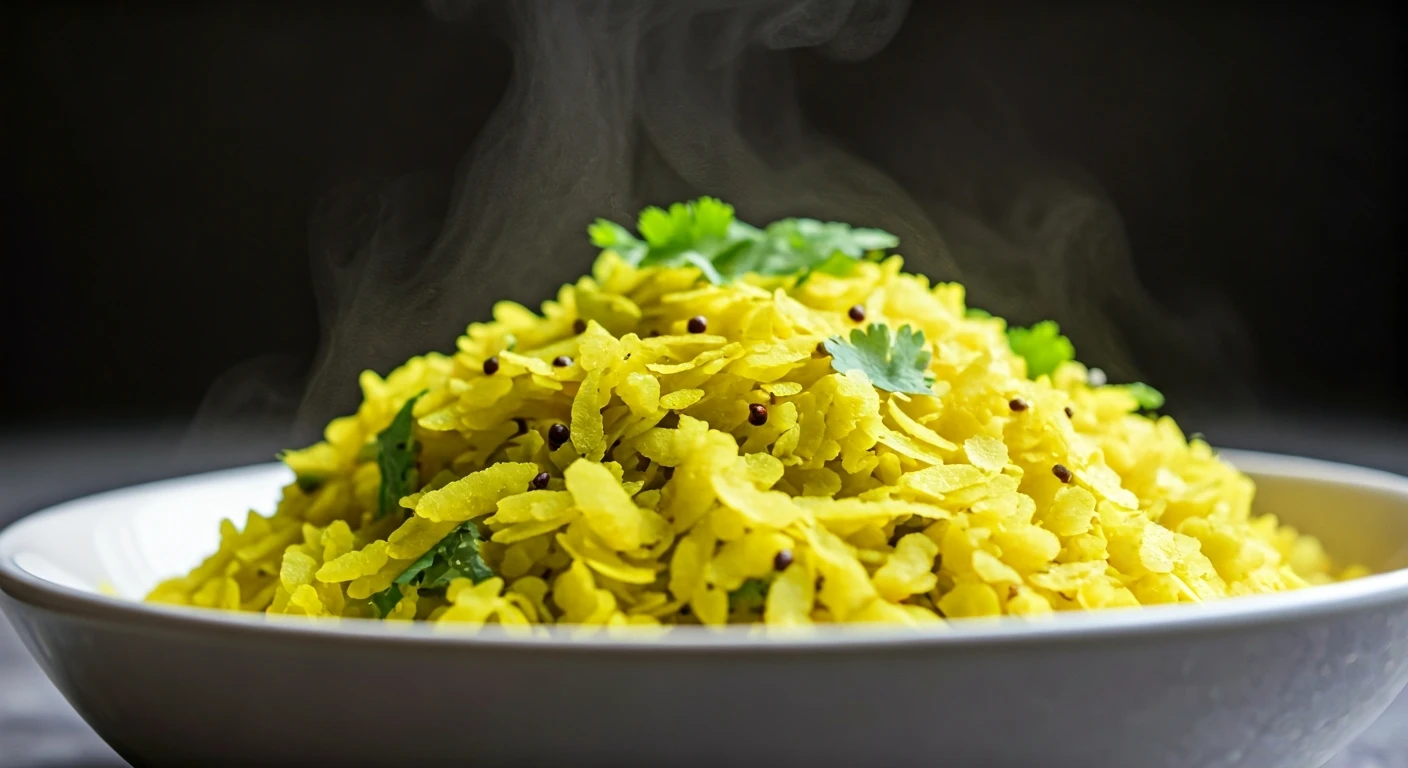
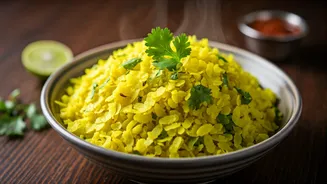
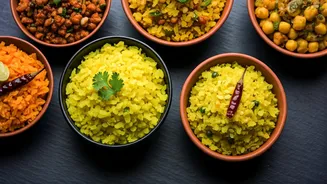
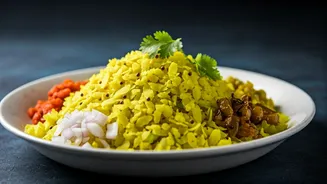
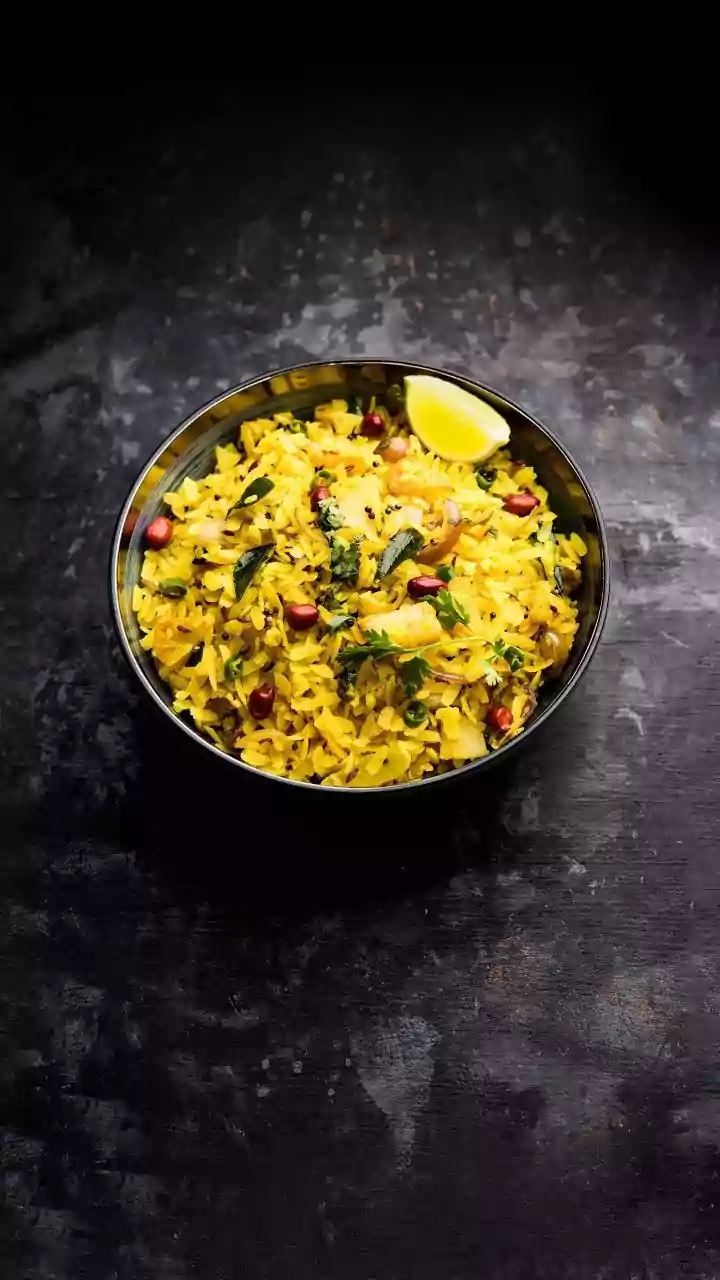
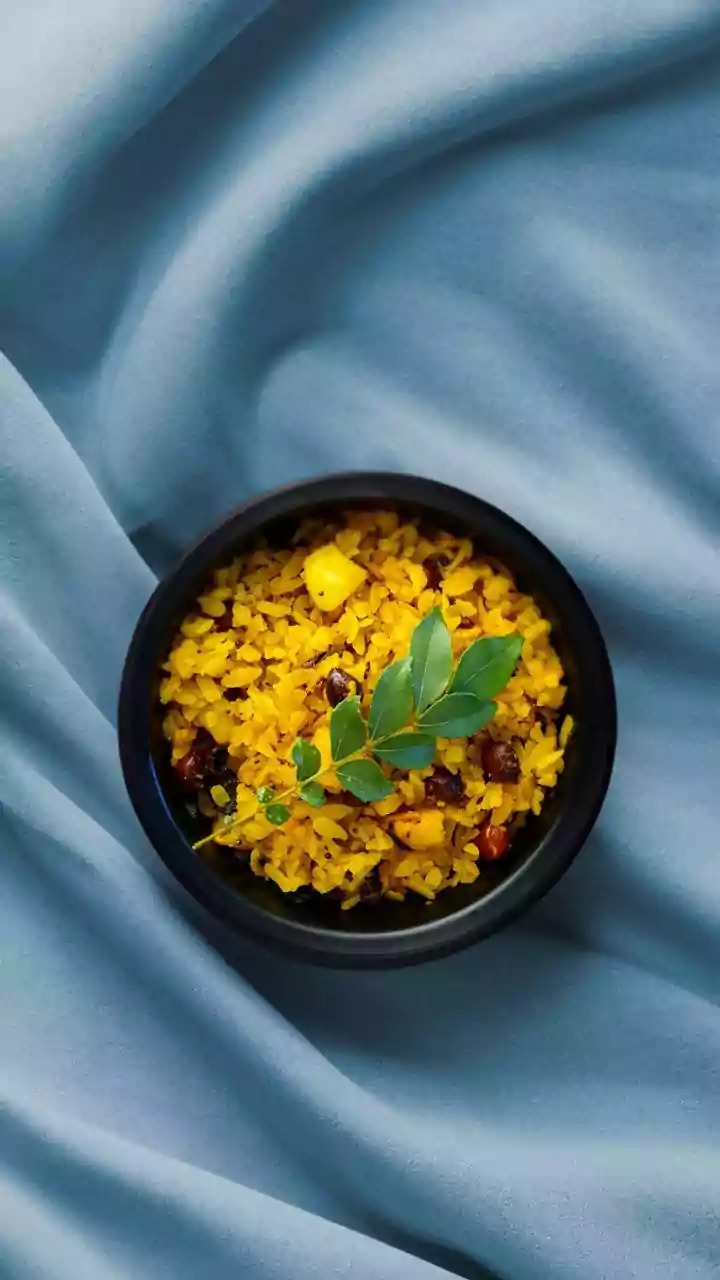
If you're meeting Poha for the first time, you’re likely being introduced to Kanda Poha, the classic version from the state of Maharashtra. This is the foundation upon which all other variations are built. The preparation is a masterclass in simplicity and balance. The rehydrated rice flakes are tossed in a pan with sputtering mustard seeds, fragrant curry leaves, turmeric (which gives the dish its signature sunny yellow hue), and sautéed onions (kanda). Often, soft-boiled potato chunks are added for heartiness, and the whole thing is finished with a squeeze of lime, a sprinkle of fresh cilantro, and sometimes a handful of roasted peanuts for crunch. It’s savory, a little tangy, and deeply satisfying without being heavy—the perfect start to any day.
The Street Food Star: Indori Poha
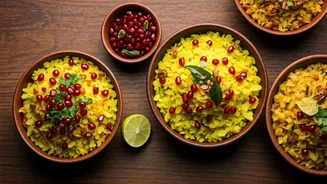
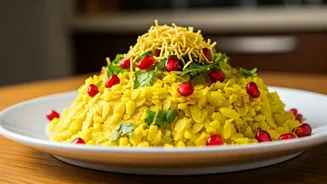
Head to the city of Indore in Madhya Pradesh, and you’ll find Poha transformed into a street food legend. Indori Poha is a textural and flavor explosion. While the Maharashtrian style is purely savory, the Indori version introduces a delightful sweet and tangy note, often from a light dusting of sugar and a more generous squeeze of lime or lemon juice. But the real magic is in the toppings. It’s famously garnished with a mountain of *sev*—crispy, fried chickpea flour noodles that add an irresistible crunch. On top of that, you’ll find finely chopped onions, fresh cilantro, and often a scattering of bright red pomegranate seeds. It’s a feast for the eyes and the palate, a beloved breakfast that people line up for at street stalls every morning.
The Fiery Cousin: Nagpuri Tari Poha
For those who like to start their day with a kick, there’s Tari Poha from Nagpur, also in Maharashtra. This version takes the standard Poha and literally drowns it in a fiery, soupy gravy called *tari*. The tari is a spicy, rustic curry, typically made with black chickpeas (kala chana) and a bold blend of spices that packs a serious punch. The soft, fluffy Poha acts as the perfect sponge, soaking up the flavorful gravy. You get the familiar comfort of the flattened rice, but it's elevated into a heartier, spicier, and more complex meal. Served in a bowl with the gravy poured generously over the top, it’s a two-in-one dish that blurs the line between breakfast and a full-fledged meal.
The Modern Remix
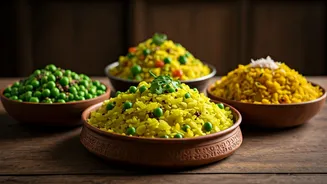
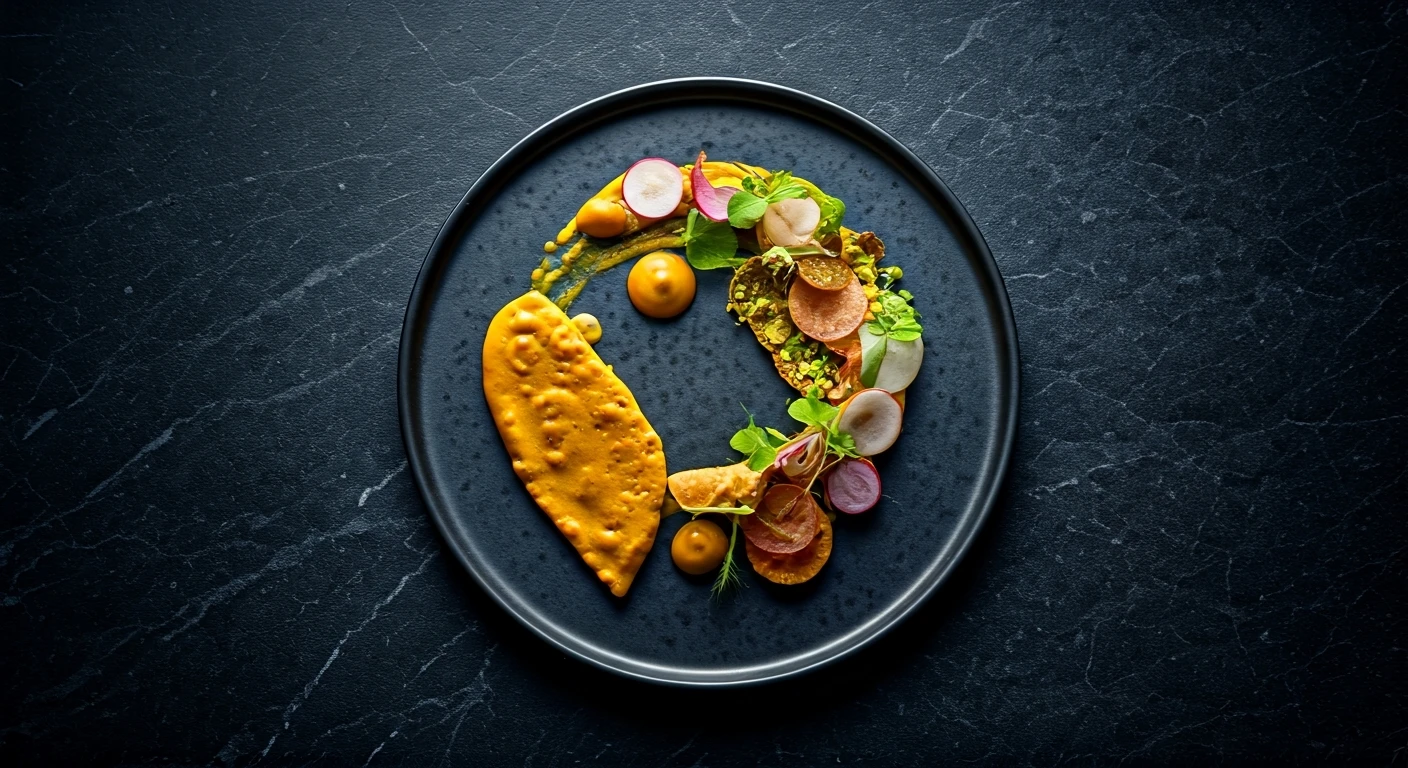
The creativity doesn't stop with regional classics. Today, chefs and home cooks in India and across the U.S. are using Poha as a base for modern experimentation. Walk into an Indian-inspired cafe in New York or Los Angeles, and you might find a "Poha Bowl" loaded with avocado, sprouts, and a poached egg. Health-conscious cooks are swapping white flattened rice for heartier red or brown rice varieties and loading them with colorful vegetables like bell peppers, carrots, and green peas. Some are even creating fusion versions, incorporating everything from mushrooms and corn to spicy schezwan sauce. This evolution shows Poha's incredible adaptability—it’s not a relic of the past, but a dynamic dish that continues to inspire.