









The Not-So-Sweet Side Effect
You’ve seen the videos and heard the stories, likely under the hashtag #mangomouth. Someone enjoys a delicious, fresh mango, maybe even biting into the skin to get every last drop of juice. A day or two later, they’re sporting an itchy, red, and sometimes
blistering rash around their lips. This reaction, formally known as contact dermatitis, has become a recurring viral topic, turning a beloved tropical fruit into a source of mild panic for some. The symptoms aren't just cosmetic; the irritation can be intensely uncomfortable, with swelling and flaking skin that can last for days. It’s the kind of thing that makes you question your entire fruit-eating strategy. But what’s actually causing this strange, delayed-onset revenge from your favorite snack?
Meet Urushiol, The Real Culprit
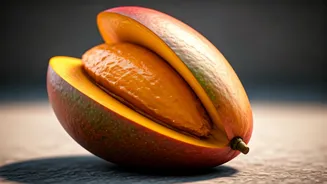
The villain in this story is a compound you’ve likely met before in a far less delicious context: urushiol. It’s the oily substance found in poison ivy, poison oak, and poison sumac that causes their infamous rashes. And, as it turns out, the mango plant is part of the same botanical family (Anacardiaceae). While the sweet, edible flesh of the mango is perfectly safe and urushiol-free, the compound is highly concentrated in the plant’s stem, leaves, and, most importantly for consumers, its sap and skin. When you buy a mango, there’s often a bit of sap residue near the stem. If that sap, or the skin itself, comes into contact with your own skin, the urushiol can trigger a reaction in sensitive individuals. It’s not a true 'allergy' for most people, but rather a classic case of allergic contact dermatitis. Because the reaction is T-cell mediated, it can take 12 to 48 hours to appear, which is why many people don't immediately connect the rash to the mango they ate yesterday.
Why The Sudden Buzz?
This isn't a new phenomenon. Dermatologists and people in tropical regions where mangoes are a staple have known about “mango dermatitis” for ages. The reason it feels so “suddenly” relevant is the power of social media. A single TikTok video showing a user’s unfortunate reaction can rack up millions of views, creating a wave of awareness (and anxiety) that spreads far faster than a traditional public health bulletin. This viral cycle repeats every mango season, introducing a new cohort of fruit lovers to the potential risk. Furthermore, with global produce supply chains, mangoes are more accessible across the U.S. than ever before, meaning more people who didn't grow up with the fruit are handling it for the first time, often without knowing the unwritten rules of preparation.
Your Mango-Handling Masterclass
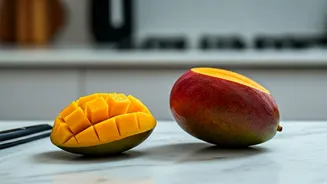
The good news is that you absolutely do not need to give up mangoes. You just need to handle them with the same respect you’d give a hot pepper. The goal is to keep the urushiol-laden skin and sap away from your own skin. Follow this simple protocol: 1. **Don’t bite the skin.** This is the number one cause of the rash around the mouth. Never use your teeth to peel a mango or tear it open. 2. **Wear gloves.** If you know you are particularly sensitive to poison ivy, consider wearing food-safe gloves while you wash and cut the fruit. This is the most foolproof method. 3. **Wash it well.** Before you cut, thoroughly wash the entire mango under running water, scrubbing gently with a vegetable brush. This helps remove any residual sap from the exterior. 4. **Use a sharp knife and a clean board.** Cut the mango on a cutting board, not in your hand. Once you’ve sliced away the cheeks of the fruit, use a spoon to scoop the flesh out, or score it and turn it inside out, making sure the skin doesn't fold back and touch your fingers. 5. **Peel it completely.** Using a knife or a vegetable peeler, remove all of the skin before cubing the fruit. Discard the skin and stem promptly and wash your hands, the knife, and the cutting board with soap and hot water afterward.