







What Is 'Exercise Snacking'?
Forget the vending machine. This form of 'snacking' has nothing to do with food and everything to do with movement. Exercise snacking is the practice of breaking up your day with extremely short bursts of physical activity, typically lasting anywhere
from one to five minutes. Instead of blocking out a full hour for the gym—a daunting task for anyone with a packed schedule—the idea is to sprinkle these 'snacks' of movement throughout your workday. Think of it as the antidote to prolonged sitting. One 'snack' might be a brisk two-minute climb up and down the office stairs between meetings. Another could be 60 seconds of jumping jacks followed by 60 seconds of bodyweight squats next to your desk. The key is that these activities are brief enough to be done spontaneously, in regular clothes, without breaking a major sweat. This low barrier to entry is precisely why it's resonating in demanding corporate cultures, where time is the ultimate luxury and employee burnout is a constant threat.
The Science Behind the Snack
While the name is playful, the science behind exercise snacking is serious. Research consistently shows that long, uninterrupted periods of sitting are detrimental to our health, contributing to poor circulation, metabolic issues, and even reduced cognitive function. Our bodies are designed to move, and sitting for hours on end effectively puts them in a low-power state. Studies, particularly from exercise scientists at institutions like McMaster University, have found that even very short bouts of vigorous activity can provide significant health benefits. These micro-workouts have been shown to improve cardiovascular fitness and, crucially for a workday, help regulate blood sugar levels after meals. When you sit for too long after eating, your blood sugar can spike and then crash, leading to that dreaded afternoon slump. A two-minute 'exercise snack' can help your muscles use that glucose, stabilizing your energy and focus. It’s a powerful metabolic reset that doesn't require changing into gym shorts.
A Perfect Fit for Modern Work Culture
The trend has found a particularly receptive audience in Corporate India, a world known for its high-stakes projects, long hours, and traditionally office-centric culture. For millions of tech, finance, and service professionals, the workday is a marathon of sitting. Exercise snacking offers a practical, culturally resonant way to counteract this without disrupting tight deadlines or established workplace norms. But this isn't just an Indian phenomenon; it’s a global solution for a universal problem. The challenges faced by an analyst in Bangalore are increasingly similar to those of a remote project manager in Boise. The shift to remote and hybrid work in the U.S. has, for many, blurred the lines between work and life, often leading to even more sedentary time. The commute from the bedroom to the home office doesn't offer many steps. Exercise snacking provides a structured way to reintroduce physical activity into a day that might otherwise lack it entirely, boosting both mental and physical well-being.
Your 2-Minute Workout Menu
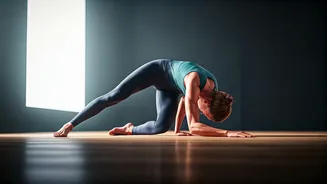
Ready to start snacking? The best part is its simplicity. You don't need equipment, a special room, or a trainer. All you need is a couple of minutes and a willingness to move. Set a recurring timer on your phone or calendar to remind you once an hour, or simply use the end of a task as your cue. Here are a few simple 'snacks' to get you started: * **The Stair Power-Up:** For two minutes, walk briskly up and down the nearest flight of stairs. It's one of the most effective snacks for getting your heart rate up. * **The Desk-Side Duo:** Do 60 seconds of high knees in place, followed by 60 seconds of push-ups against your desk or a wall. * **The Mobility Minute:** Stand up and perform 60 seconds of torso twists, followed by 60 seconds of leg swings (holding onto your desk for balance). This is great for undoing the 'desk slouch.' * **The Squat & Stretch:** Perform as many bodyweight squats as you can in 60 seconds, then spend the next 60 seconds in a forward fold, stretching your hamstrings and lower back.