


Why Diversity Trumps Restriction
For years, diet culture has focused on elimination: no carbs, no fat, no sugar. But a growing body of research, championed by dietitians and nutrition scientists, suggests we’ve been looking at it all wrong. The real key to long-term health isn't about
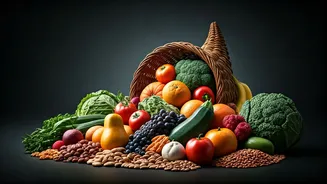
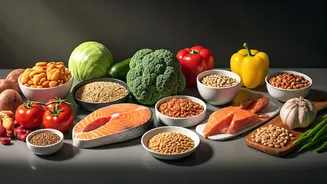
what you restrict, but the variety you include. A diverse diet provides a wider array of vitamins, minerals, and phytonutrients—the protective compounds found in plants. More importantly, it feeds the trillions of microbes in your gut. A healthy, diverse gut microbiome is linked to a stronger immune system, better mood, and a lower risk of chronic diseases. When you eat the same handful of foods every day, even if they're healthy, you're only feeding a small fraction of these beneficial gut buddies.
Aim for 30 Plant Points a Week
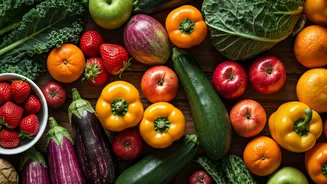
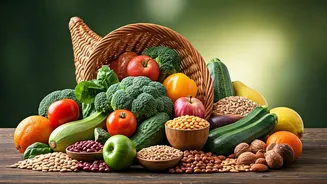
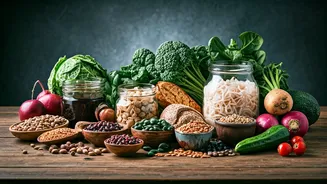
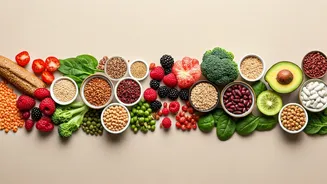
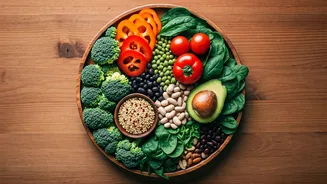
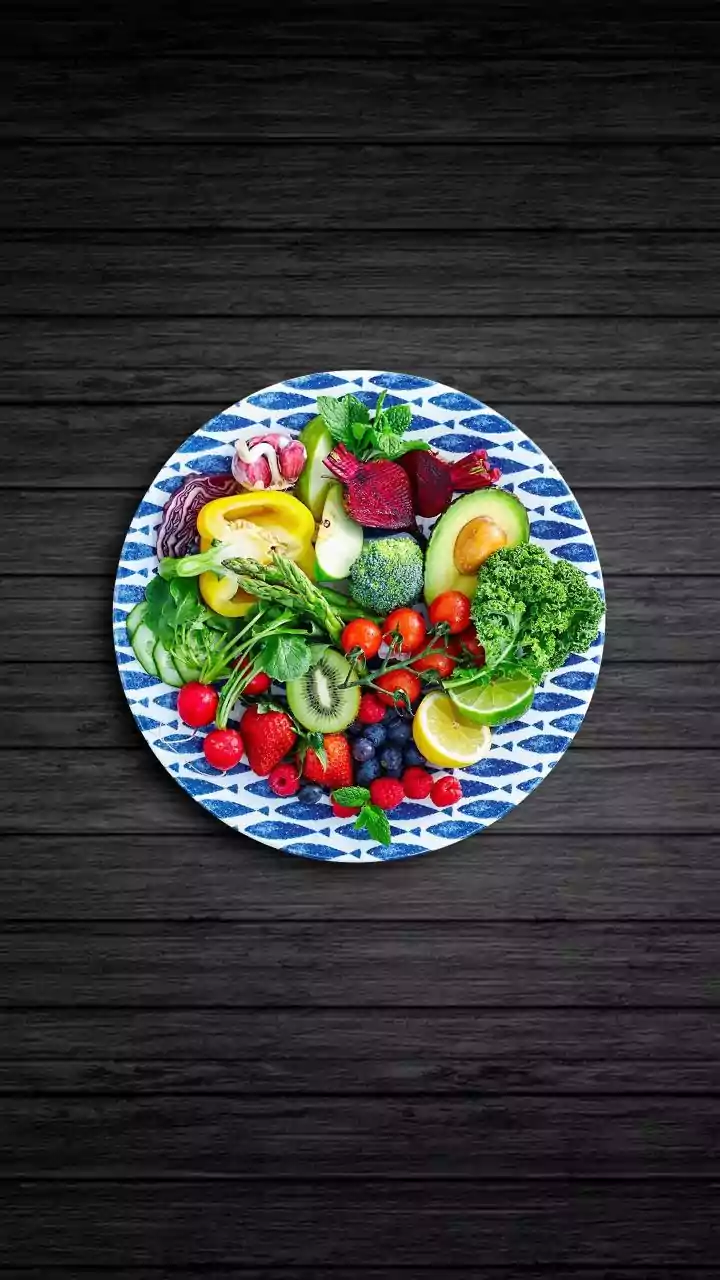
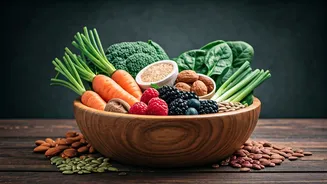
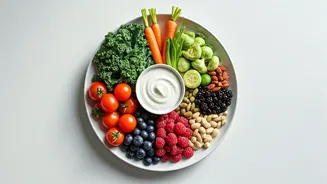
A popular guideline emerging from gut health research is the '30 plant points' challenge. The goal is to eat 30 different types of plant-based foods each week. This sounds daunting, but it’s easier than you think. 'Plants' include fruits, vegetables, whole grains, legumes (beans, lentils), nuts, seeds, herbs, and spices. Each unique item counts as one point. For example, a salad with lettuce, tomato, cucumber, carrots, and chickpeas is five points. A sprinkle of oregano is another point. This framework shifts your mindset from calorie counting to variety hunting. It’s not a rigid rule, but a fun, gamified way to encourage you to try new things and nourish a wider range of gut bacteria.
Shop the Edges of the Store
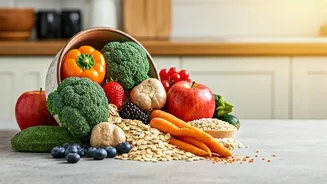
The next time you're at the grocery store, make a conscious effort to pick up one or two fruits or vegetables you don't normally buy. Intimidated by the jicama? Curious about celeriac? Grab one. Look up a simple recipe on your phone while you're in the aisle. Challenge yourself to try a different type of apple, a new leafy green like Swiss chard instead of spinach, or a purple carrot instead of an orange one. This small habit of adding one novel item per shopping trip can dramatically increase the diversity of your diet over time without feeling overwhelming. The same goes for the bulk bins—try a new-to-you grain like freekeh or a different type of lentil.
Rethink Your Spices and Herbs
We often forget that the powerful flavors in our spice rack are potent plant foods. Herbs and spices are packed with antioxidants and anti-inflammatory compounds. More importantly, in the context of diversity, they count toward your weekly plant total. A pinch of thyme in your soup, a dash of cinnamon in your oatmeal, or a sprinkle of fresh cilantro on your tacos are all easy ways to add another 'plant' to your day. Instead of relying solely on salt and pepper, explore your spice collection. Using a wider variety of herbs and spices not only makes your food taste more interesting but also contributes valuable micronutrients and feeds different gut microbes.
Don't Fear the Frozen Aisle
Fresh produce is fantastic, but it can be expensive and spoil quickly, leading us to buy the same reliable staples. The frozen food aisle is your secret weapon for affordable, long-lasting diversity. Fruits and vegetables are typically flash-frozen at peak ripeness, locking in their nutrients. You can buy frozen artichoke hearts, shelled edamame, mixed berries, or butternut squash without the pressure of using them up in a few days. This allows you to keep a wide variety of plant foods on hand at all times, making it easy to toss a handful of something new into a smoothie, stir-fry, or soup.
Embrace 'Toppings' Culture
A simple way to boost diversity is to think of every meal as a base with an opportunity for toppings. That bowl of oatmeal isn’t just oatmeal; it's a canvas. One day, top it with blueberries, walnuts, and chia seeds. The next, try sliced banana, pumpkin seeds, and a dash of cinnamon. The same principle applies to yogurt, salads, soups, and even toast. Keeping small containers of nuts, seeds, and dried fruits ready to go makes it easy to add a quick point or two of diversity to any meal. This simple habit turns a monotonous meal into a nutrient-dense and varied one with minimal extra effort.