






They're Not Just for Athletes Anymore
The first major shift was redefining the customer. For decades, sports drinks were for, well, sports. Their ads featured sweaty athletes finishing a grueling workout. Today’s hydration brands are targeting everyone. There are drinks for gamers needing
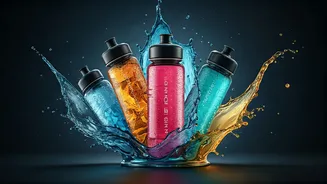
focus (with added nootropics), for office workers fighting the 3 PM slump (with B vitamins), and for general wellness enthusiasts who want to "optimize" their water. Brands like BodyArmor, now owned by Coca-Cola, successfully chipped away at Gatorade's dominance by positioning themselves as a "healthier" alternative with coconut water and no artificial colors. This opened the floodgates, proving a massive market existed for anyone who felt thirsty and wanted something more than just water.
The Influencer-to-Founder Pipeline
The single biggest catalyst for the category's wild growth is the influencer playbook, perfected by Prime Hydration. Created by YouTubers Logan Paul and KSI, Prime wasn't just a product; it was a cultural event. They leveraged their combined hundreds of millions of followers to create an unprecedented level of hype. Scarcity, whether real or manufactured, turned finding a bottle into a viral TikTok challenge. This model bypassed traditional advertising entirely. Instead of paying a celebrity to hold a bottle, the celebrities *owned* the company, making every mention feel more authentic to their young audiences. Now, other brands are scrambling to replicate this direct-to-consumer hype machine, recognizing that a loyal online community can be more valuable than a Super Bowl ad.
It's a Science Experiment in a Bottle
"Electrolytes" is now table stakes. The new creative frontier is in "functional ingredients." Walk down the aisle and you’ll see drinks promising more than just hydration. Brands are loading up their formulas with a cocktail of additives. Nootropics like L-theanine promise to boost cognitive function. Adaptogens like ashwagandha claim to help the body manage stress. Then there’s the alphabet soup of vitamins, BCAAs (branched-chain amino acids) for muscle recovery, and antioxidants for overall health. Whether these ingredients are included in effective doses is a subject of debate, but that’s almost beside the point. The goal is to create a drink that feels like a wellness hack—a simple purchase that makes the consumer feel proactive about their health.
Goodbye, Fruit Punch. Hello, Meta Moon.
The flavor names are as creative as the formulas. The era of straightforward "Lemon-Lime" and "Orange" is over. Prime offers flavors like "Ice Pop," "Glowberry," and the enigmatically named "Meta Moon." Ghost, which started as a supplement company and crossed over into energy and hydration, has a line of licensed flavor collaborations with brands like Sour Patch Kids and Warheads. This strategy achieves two things: it creates novelty that encourages customers to try something new, and it taps into nostalgia. For a generation raised on specific candies, a drink that tastes exactly like a Sour Patch Kid is an irresistible experience that a generic "fruit" flavor can't compete with.
The Rise of the Hydration "System"
Why sell one bottle when you can sell a whole system? This is the logic behind the boom in powdered hydration multipliers, led by Liquid I.V. These single-serving packets, designed to be mixed with water, promise more efficient hydration than water alone. They’re portable, customizable, and create a recurring purchase habit. Consumers aren't just buying a drink; they're subscribing to a lifestyle. This format turns every bottle of water into a potential host for their product, dramatically expanding their market and positioning hydration as a deliberate, daily ritual rather than an impulse buy from a convenience store fridge.