




The Backlash Against Burnout
Remember “rise and grind”? For the better part of a decade, American work and wellness culture was dominated by the idea that success was forged in sleep deprivation and a 24/7 commitment to productivity. Social media feeds were a highlight reel of 5
a.m. workouts, color-coded planners, and glorifications of exhaustion. To be busy was to be important. To be tired was a badge of honor. Then came the crash. The pandemic, in particular, acted as a great accelerator, holding a magnifying glass to a burnout crisis that was already simmering. Stripped of commutes and social outlets, many found the lines between work and life dissolving entirely. The result wasn't hyper-productivity; it was collective exhaustion. This widespread fatigue created the perfect conditions for a cultural counter-movement. We hit a wall, and on the other side, we found a simple, revolutionary idea: what if we just stopped?
The New Toolkit for Taking It Easy
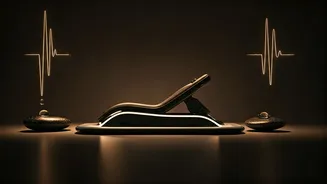
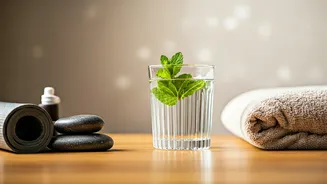
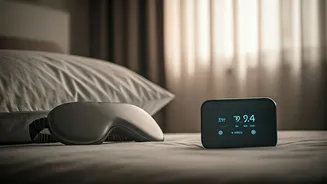
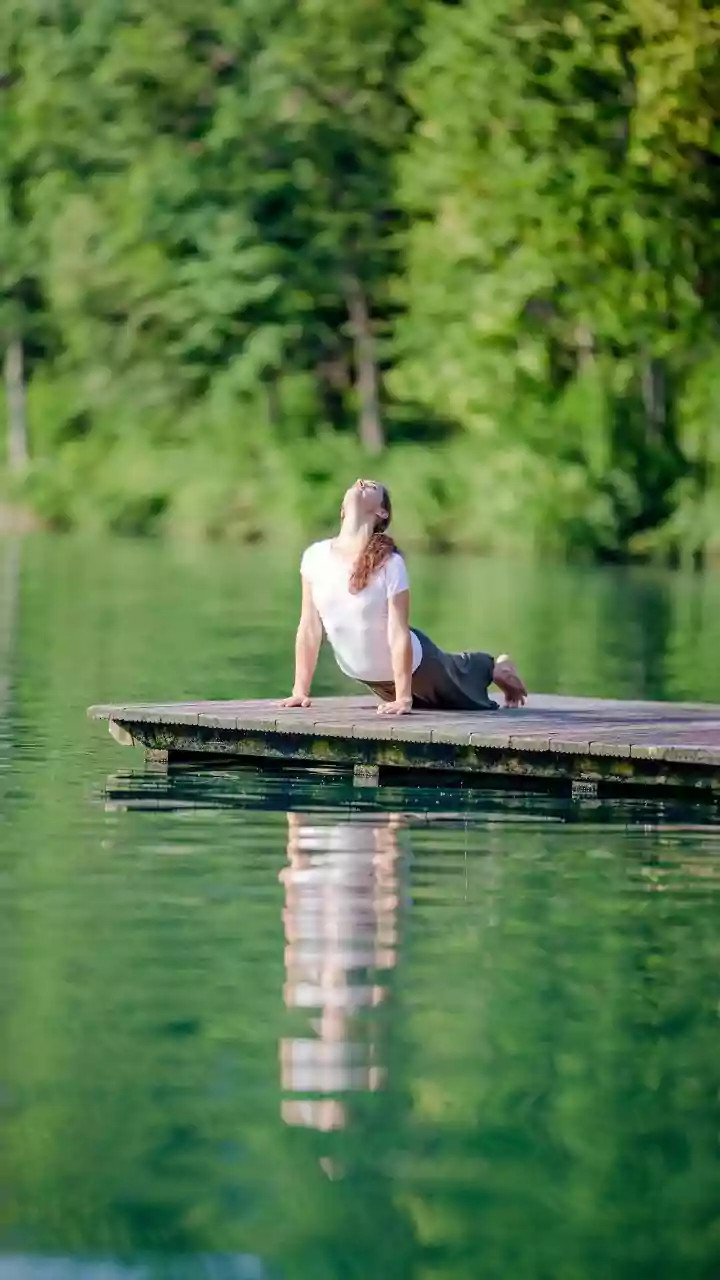
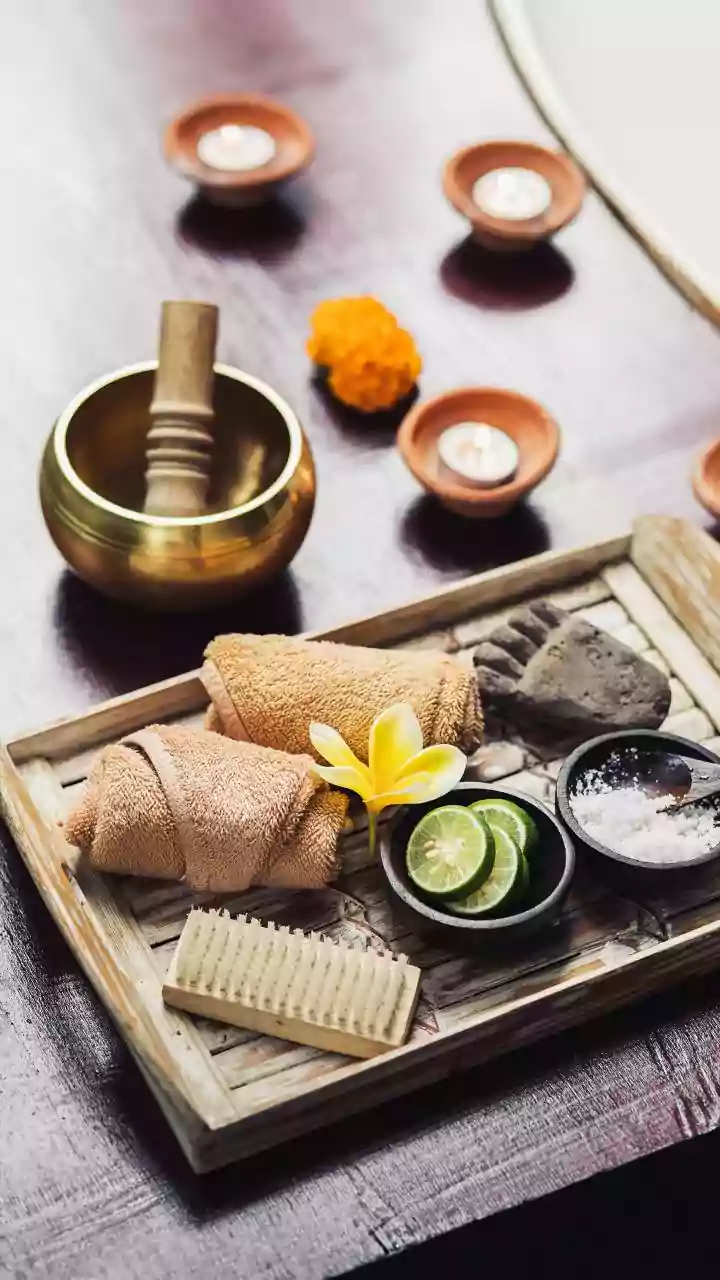
The shift from “grindset” to “restset” isn’t just a mindset; it’s a marketplace. The wellness industry, ever responsive to our anxieties, has pivoted from optimizing our hustle to optimizing our downtime. Where pre-workout supplements once reigned, now it’s all about magnesium glycinate for sleep. High-intensity interval training (HIIT) is making room for low-impact Pilates and restorative yoga. This trend is most visible in the explosion of recovery technology. Wearables like the Oura Ring and Whoop strap don’t just track your steps; they score your sleep quality and readiness for the day, gamifying recovery. Percussive massagers like Theragun are now as common in homes as coffee makers. The cultural vocabulary is expanding, too. We’re talking about “sleep hygiene,” the benefits of napping, and even embracing the Gen Z trend of “bed rotting”—a day spent luxuriantly horizontal, with snacks and screens, as a deliberate act of self-preservation. Even sober curiosity and the rise of non-alcoholic spirits are part of this movement, reframing social life around connection rather than the depleting effects of alcohol.
Can You Buy Your Way to Rest?
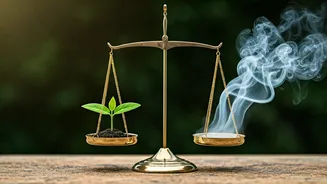
With any major wellness trend comes commercialization, and rest is no exception. A critical question arises: Is this new focus on recovery a genuine path to well-being, or is it just another form of self-optimization we have to pay for? The pressure to “rest better” can feel suspiciously like the pressure to “work harder.” If you don't have the latest sleep tracker, weighted blanket, or infrared sauna, are you failing at relaxation? The risk is that we replace the anxiety of not doing enough with the anxiety of not resting correctly. Rest becomes another task on the to-do list, another metric to be tracked and perfected. While many of these tools can be genuinely helpful, the commodification of recovery can obscure the fact that true rest is often about subtraction, not addition. It's about logging off, not logging sleep data. It's about unstructured, unproductive, and gloriously un-monetizable downtime.
How to Reclaim Real Recovery
Embracing this trend doesn't require a budget. The most powerful forms of recovery are often free and have been available to us all along. It starts with giving yourself permission to be unproductive. This can be harder than any workout. Start small. Instead of scrolling through your phone until you fall asleep, try reading a physical book. Reclaim your lunch break by actually stepping away from your desk, preferably outside. Practice saying “no” to social obligations that feel more draining than energizing. Prioritize a consistent sleep schedule, not as a chore to be tracked, but as a non-negotiable act of self-respect. Explore low-stakes hobbies that have no goal other than simple enjoyment. The point isn’t to build a recovery “stack” of products, but to build a life with protected time for your mind and body to downshift without an agenda.